
24/7 Customer Support

Free returns

Same-day & Next-day Delivery

Quality Guaranteed

Unlock Your Welcome Offers: FREE Delivery | Up to 80% OFF | Free 30-day JoyPlus trial
Download the APP
Spending hours at a desk is a modern reality for many of us, whether in a corporate building or a home office. If that familiar ache in your lower back or stiffness in your shoulders has become a daily feature, your office chair could be the culprit. A standard chair often fails to provide the necessary support for long periods of sitting, which can affect both your comfort and your productivity.
This guide is designed to help you understand what makes a truly effective ergonomic office chair. We will explore the key features to look for and provide some recommendations to help you make an informed choice for your workspace.
Selecting the right chair involves more than just picking one that looks comfortable. Here are a few key considerations to guide your search for a supportive and durable home office chair.
A one-size-fits-all approach rarely works for office seating. An adjustable office chair allows you to tailor the fit to your specific body shape and desk setup. Look for chairs that offer multiple points of adjustment:
Consistent support for the natural curve of your lower back is crucial for preventing pain. A desk chair with lumbar support is non-negotiable for anyone sitting for extended periods. There are two main types:
The material of your chair affects both comfort and maintenance. A mesh computer chair is a popular choice in the UK for its breathability, which helps regulate temperature during long work sessions. The mesh should be high-quality and elastic to provide firm, contouring support without sagging over time. When checking specifications, look for certifications like EN 1335, a European standard that indicates the chair meets specific safety and dimensional requirements for office use.
Based on features that promote comfort and adjustability, here are our recommendations for your consideration.
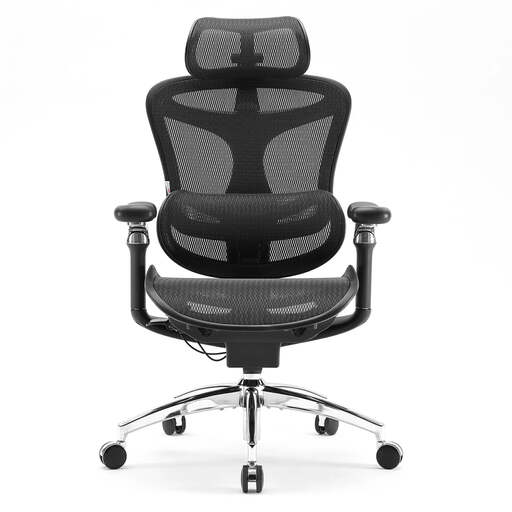
Why It Stands Out: The Doro C300 Pro is built for those who value maximum customisation. Its standout feature is the ultra-soft 6D coordinated armrests, which adjust in multiple directions and move in sync with the backrest as you recline. This, combined with the self-adaptive dynamic lumbar support, creates a highly personalised seating experience.
Pros:
Who is it for? Professionals and remote workers who spend the majority of their day seated and require the highest level of adjustability to maintain comfort and focus.

Why It Stands Out: The Doro C300 offers a balanced combination of advanced ergonomic features. It shares the same excellent self-adaptive lumbar support and dynamic tracking system as the Pro model but is equipped with versatile 3D armrests. The intelligent weight-sensitive mechanism automatically adjusts the recline tension, providing a smooth and balanced feel.
Pros:
Who is it for? Individuals seeking a high-performance ergonomic chair with premium support features, who will find the 3D armrest adjustability more than sufficient for their daily needs.
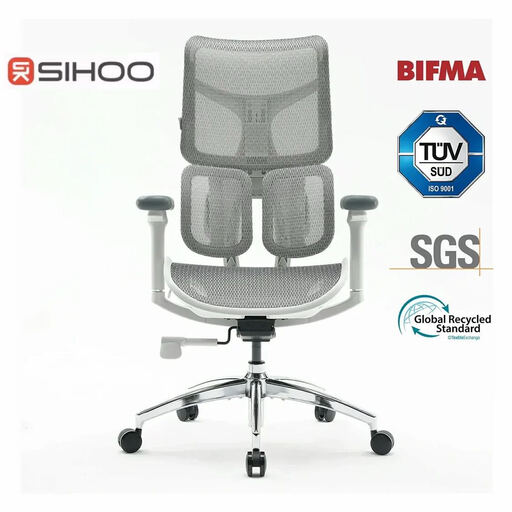
Why It Stands Out: The Dora S100 distinguishes itself with a dual dynamic lumbar support system that automatically adjusts to different postures, providing targeted support to the lower back. Its clean, modern aesthetic, featuring a white frame and mesh, makes it a stylish addition to any home office. The waterfall front edge of the seat cushion is designed to reduce pressure on the thighs.
Pros:
Who is it for? Users who prioritise specific, dynamic support for the lower back and appreciate a contemporary design that complements their workspace aesthetic.
If these models aren't quite what you had in mind, or if you're interested in exploring different materials and styles, we have a wider selection available.
Discover more options in our full range of Soft Backrest Chairs to find the perfect match for your needs.
1. What is the most important feature of an ergonomic office chair? While it's a combination of factors, the most critical feature is adjustability. The ability to customise the seat height, depth, armrests and backrest to your body is fundamental. Following closely is effective lumbar support, which is essential for maintaining spinal alignment and preventing back pain.
2. Is a mesh computer chair better for your back? A high-quality mesh chair can be excellent for your back. The key is the tension and elasticity of the mesh. Good quality mesh provides firm, breathable support that conforms to your body's shape. It prevents the heat build-up common with fabric or leather chairs, which adds to overall comfort. However, the structure of the chair and its lumbar support system are just as important as the material itself.
3. How many hours a day is it safe to sit in an ergonomic chair? An ergonomic chair is designed to make sitting for long periods safer and more comfortable, but it's still important to take regular breaks. Health guidelines recommend standing up, stretching and moving around for a few minutes at least once every hour. The chair's role is to provide the best possible support during the time you are seated.