
24/7 Customer Support

Free returns

Same-day & Next-day Delivery

Quality Guaranteed

Unlock Your Welcome Offers: FREE Delivery | Up to 80% OFF | Free 30-day JoyPlus trial
Download the APP
Spending hours at a desk is a modern reality for many of us, whether we're in a corporate office or a home study. This prolonged sitting can often lead to familiar discomforts—a nagging ache in the lower back, tension in the neck or general fatigue. An ergonomic office chair isn't a luxury; it's a practical tool designed to support your body, promote better posture and enhance your comfort and focus throughout the workday.
Navigating the market for an ergonomic desk chair can be confusing. With so many features and technical terms, it’s hard to know what truly matters. This guide is designed to cut through the clutter, offering clear advice on what to look for and presenting our top recommendations to help you find a chair that fits both your body and your workspace.
Before diving into specific models, it’s helpful to understand the key features that contribute to a truly supportive seating experience.
A one-size-fits-all approach rarely works for office seating. The core principle of an ergonomic chair is its ability to adapt to you. An effective office chair with lumbar support is crucial, as it should conform to the natural curve of your lower spine to prevent slouching. Look for chairs that offer adjustable seat height, seat depth and armrests. This level of customisation allows you to create a setup where your feet are flat on the floor, your knees are at a 90-degree angle and your arms are comfortably supported, reducing strain on your shoulders and neck.
The material of your chair impacts both comfort and durability. A mesh computer chair is a popular choice for good reason. The open-weave material allows for excellent air circulation, keeping you cool and comfortable even during long periods of sitting. Beyond breathability, ensure the seat cushion is made from high-density foam that provides support without flattening over time. A "waterfall" seat edge, which curves downwards, is another beneficial feature that helps reduce pressure on the back of your thighs.
When investing in a chair for your health and well-being, you want assurance of its quality. Look for certifications like BIFMA (Business and Institutional Furniture Manufacturers Association) or SGS. These indicate that the chair has passed rigorous tests for safety, durability and structural integrity. A certified chair is built to withstand daily use, ensuring it remains a stable and reliable part of your workspace for years to come.
Based on features that deliver tangible benefits for comfort and support, here are our standout recommendations.

Why It Stands Out: The Sihoo Dora S100 is engineered with a sophisticated Dual Dynamic Lumbar Support system. This feature uses a dynamic mechanism and four springs to automatically adjust to your posture in real-time, providing continuous and comprehensive support to your lower back as you shift and move.
Pros:
Who is it for? This chair is an excellent choice for professionals who spend the majority of their day seated and require a highly responsive chair that adapts to their movements. If you value dynamic support and extensive customisation, the S100 is a strong contender.
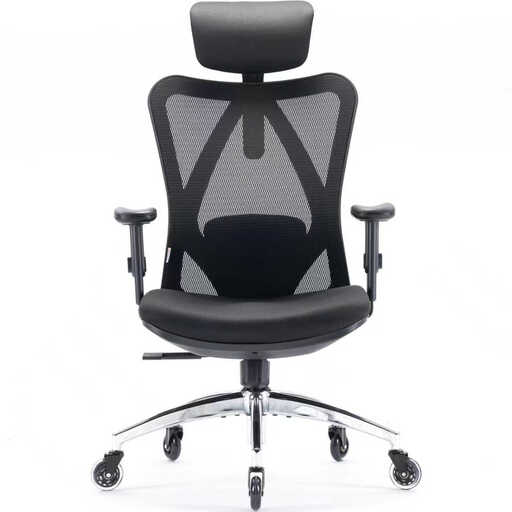
Why It Stands Out: This SIHOO model offers a comprehensive suite of five ergonomic adjustments, making it a versatile and reliable home office chair. It covers all the essential customisation points—from the backrest and headrest to seat height and armrests—and features upgraded rollerblade-style wheels for smooth, quiet movement on various floor types.
Pros:
Who is it for? Ideal for anyone seeking a solid, all-around ergonomic chair that is easy to assemble and adjust. It’s a great starting point for those looking to upgrade their standard office chair to a model that provides genuine support for an office chair for back pain prevention.

Why It Stands Out: The M59S is distinguished by its space-saving 80° flip-up armrests, which allow the chair to be pushed neatly under a desk when not in use. It also features a unique Dual Back Design where the backrests adapt to your spine's curve, complemented by adaptive lumbar support.
Pros:
Who is it for? This chair is perfect for users in compact spaces who need a functional ergonomic chair that can be easily stored. It's also a great fit for those who appreciate the flexibility of moving armrests out of the way for tasks like playing an instrument or drawing.
While ergonomics are key for your primary workspace, sometimes a statement piece is what a room needs for a different purpose, like a reading nook or a guest room. If you're looking for a comfortable chair that puts style and aesthetics first, you might want to explore our collection of pink velvet armchairs for a touch of elegance.
1. How long should an ergonomic office chair last? The lifespan of an office chair depends on its build quality and usage. A chair with BIFMA certification has been tested for durability and, with proper care, can be expected to last for many years of regular use. Regularly checking that all components are secure can help extend its life.
2. Can an ergonomic chair help with back pain? An office chair for back pain is specifically designed to promote better posture and provide targeted support to the spine, particularly the lumbar region. By helping you maintain a healthier posture, it can alleviate the discomfort and strain often caused by sitting in an unsupportive chair for long hours. It is a tool for comfort and prevention, not a medical treatment.
3. What is the most important feature in an ergonomic chair? There isn't one single feature that outweighs all others. The most important aspect is the chair's overall adjustability. The ability to customise the lumbar support, seat depth, seat height and armrests to fit your specific body shape and desk setup is what creates a truly ergonomic experience.