
24/7 Customer Support

Free returns

Same-day & Next-day Delivery

Quality Guaranteed

Unlock Your Welcome Offers: FREE Delivery | Up to 80% OFF | Free 30-day JoyPlus trial
Download the APP
With many of us in the UK now spending a significant portion of our day at a desk, the chair we sit in has become more than just a piece of furniture. An unsuitable chair can contribute to back pain, neck strain and poor posture, impacting both comfort and productivity.
Choosing the right ergonomic office chair can feel overwhelming with so many features and technical terms to decipher. This guide is designed to cut through the clutter, offering practical advice to help you find a chair that supports your body and your work. We will look at key features to consider and present a few recommendations that stand out for their design and functionality.
Before looking at specific models, it helps to understand what makes a chair truly ergonomic. It is all about adjustability and how well the chair can be tailored to your unique body shape and posture.
A one-size-fits-all approach rarely works for seating. A quality home office chair should allow you to customise key areas for personalised support. Look for an office chair with lumbar support that can be adjusted for height and depth to match the curve of your spine. A desk chair with adjustable armrests is also crucial for relieving shoulder and neck tension, allowing your arms to rest at a comfortable 90-degree angle. Other important adjustments include seat height, headrest position, and a reclining office chair function, which allows you to shift your posture and reduce pressure throughout the day.
The durability and safety of an office chair are paramount, especially for long-term use. Look for chairs that meet recognised industry standards. Certifications like BIFMA (Business and Institutional Furniture Manufacturers Association) and SGS indicate that the chair has undergone rigorous testing for load capacity, stability, and durability. This gives you confidence that the chair is built to last. The materials also matter; a mesh desk chair, for example, offers excellent breathability, which is a significant advantage when sitting for long hours.
Think about how you work. If you spend most of your day in deep focus, a high back computer chair with an integrated or adjustable headrest provides full-body support, from your lower back to your neck. This design helps maintain a healthy posture and reduces the strain that can build up over a long workday. Ensure the chair's dimensions and swivel base are suitable for your available space.
Based on our analysis of features, user-focused design and certifications, here are our recommendations for 2026.
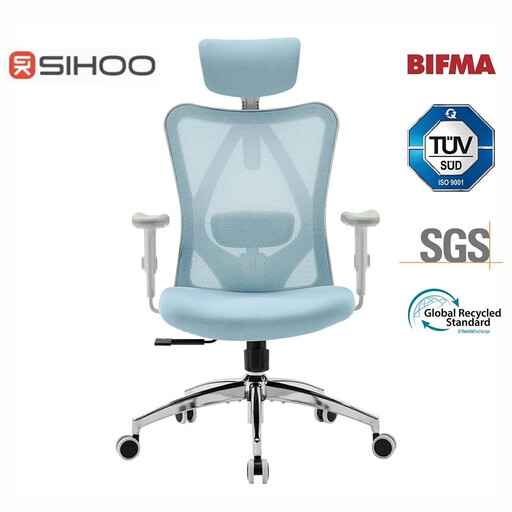
Why It Stands Out: The Sihoo M18 offers a remarkable balance of comprehensive ergonomic features and solid construction. It is certified by BIFMA and SGS, with a static pressure test of 1136 kg and a generous user weight capacity of 150 kg. Its adjustability is a key strength, featuring a multi-dimensional headrest, height-adjustable arms, and a backrest that reclines up to 126°. The W-shaped padded seat with a waterfall edge is designed to reduce pressure on the thighs, promoting better circulation.
Sihoo office chair that provides substantial support for a full workday.
Why It Stands Out: The Sihoo Doro C300 introduces dynamic support to your workspace. Its standout feature is the self-adaptive lumbar support, which moves with your body to provide continuous, responsive support as you shift positions. The chair also includes an intelligent weight-sensitive mechanism that automatically adjusts the recline tension. The 3D armrests adjust in three directions and move in sync with the backrest when you recline, ensuring your arms remain supported.
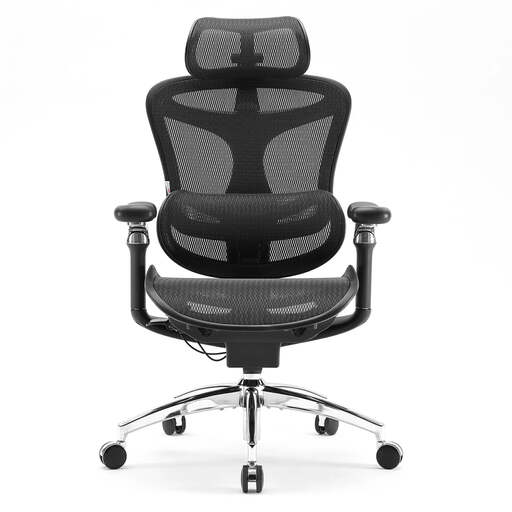
Why It Stands Out: The Doro C300 Pro takes the advanced features of the C300 and elevates them for maximum personalisation. The most significant upgrade is the 6D coordinated armrests, which offer an exceptional range of motion to support your arms, wrists and shoulders in virtually any task. It also features seat depth adjustment, allowing users to perfectly align the seat edge with their legs. The recline angle is extended to 135° for deeper relaxation during breaks.
These recommendations represent some of the strong contenders in the market, but the right chair is a personal choice. If you are looking for different styles, materials, or specific features, there are many other models to consider.
To see a wider selection, we invite you to explore our full range of office chairs with adjustable arms.
The lifespan of an ergonomic office chair depends on its build quality, materials and usage. A chair with a sturdy metal frame and components certified by standards like BIFMA is designed for longevity and can last for many years with proper care. Regularly checking and tightening screws will also help maintain its stability.
Each material has its advantages. A mesh desk chair provides excellent airflow, making it a great choice for keeping cool during long work sessions or in warmer rooms. Fabric chairs can offer a softer feel and more cushioning, while leather provides a premium aesthetic. The best choice depends on your personal comfort preferences and office environment.
For managing or preventing back pain, adjustable lumbar support is arguably the most critical feature. An effective lumbar system should be adjustable in height and, ideally, depth, allowing you to position it perfectly in the small of your back. This provides consistent support to the natural curve of your spine, promoting a healthy posture and reducing strain on your lower back muscles.