
24/7 Customer Support

Free returns

Same-day & Next-day Delivery

Quality Guaranteed

Unlock Your Welcome Offers: FREE Delivery | Up to 80% OFF | Free 30-day JoyPlus trial
Download the APP
Spending long hours at a desk is a modern reality for many of us, whether we're in a corporate office, a home study or a university library. The consequence is often a familiar collection of aches: a nagging lower back, tense shoulders and a stiff neck. An unsupportive chair is frequently the culprit, turning a productive day into an uncomfortable one.
Choosing the right ergonomic office chair is not about luxury; it's an investment in your daily comfort and long-term well-being. This guide is designed to help you navigate the options and find a chair that provides the support you need. We will look at key features to consider and highlight a few recommendations that balance function, quality and value.
Before diving into specific models, it's useful to understand what makes a chair truly ergonomic. Here are a few key factors to consider during your search.
A one-size-fits-all approach rarely works for seating. The ability to tailor a chair to your body's unique proportions is crucial. Look for an adjustable desk chair with multiple points of customisation. Key features include:
The materials of a chair affect both comfort and longevity. A mesh office chair is a popular choice in the UK for its excellent breathability. The open-weave fabric allows for continuous airflow, helping to keep you cool and comfortable, even during warmer months or intense work sessions.
Beyond the mesh, pay attention to the frame and base. A sturdy nylon or aluminium frame provides a solid foundation. Also, check for certifications like BIFMA (Business and Institutional Furniture Manufacturers Association). This indicates the chair has passed standardised tests for safety, durability and performance, assuring you of its quality.
Based on features, user feedback and overall value, here are our recommendations for those seeking to upgrade their seating.
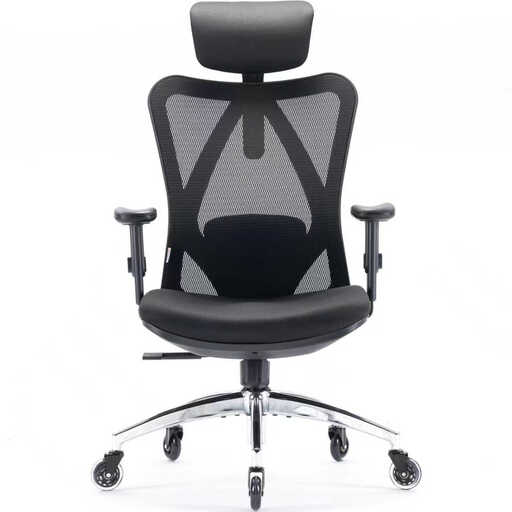
Why It Stands Out: The SIHOO M18 is an excellent all-rounder that brings core ergonomic principles to the everyday home office chair. It offers a comprehensive range of adjustments without a prohibitive price tag, making it a significant step up from standard office furniture. Its design focuses on providing a solid, supportive and comfortable seating experience for daily use.
Pros:
Who is it for? This chair is ideal for remote workers, students or anyone looking for their first serious ergonomic upgrade. It provides the essential features needed for comfort during a standard workday.

Why It Stands Out: The M57S model enhances the ergonomic experience with more advanced customisation, particularly in its armrest and backrest design. The S-shaped backrest is designed to mimic the human spine, offering more targeted support. This makes it a strong candidate for a computer chair for back pain.
Pros:
Who is it for? This chair suits professionals who spend extended periods at their desks and require more nuanced adjustments. The advanced armrest and backrest support are particularly beneficial for those who type frequently or need to alleviate shoulder and back tension.
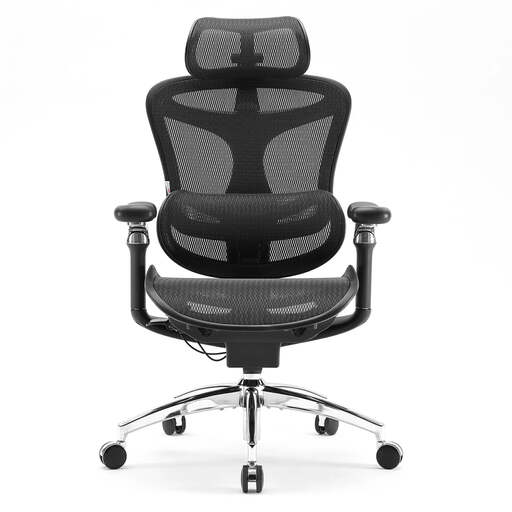
Why It Stands Out: The Doro C300 Pro represents a leap forward in dynamic seating technology. Its standout feature is the self-adaptive dynamic lumbar support, which automatically adjusts to your posture as you move. Paired with highly versatile 6D armrests, this chair offers a level of responsive support that is hard to match, making it a top consideration for the best office chair for long hours.
Pros:
Who is it for? This chair is for the discerning user who prioritises cutting-edge ergonomic features and maximum adjustability. It is an excellent choice for individuals with specific back concerns or anyone who demands a chair that actively adapts to their movements throughout the day.
While these SIHOO office chair models offer excellent ergonomic solutions, the right chair is a personal choice. If you're looking for a different style, material or feature set, there are many other possibilities to consider.
Explore our full collection of black office chairs to find the perfect match for your workspace and comfort needs.
1. How long should an ergonomic office chair last? The lifespan of an ergonomic chair depends on its build quality, materials and frequency of use. A well-made chair with a sturdy frame and quality components, especially one that is BIFMA certified, can be expected to last between 5 and 10 years with proper care.
2. Is a mesh office chair better for back pain? A mesh office chair provides excellent breathability and can offer firm, form-fitting support. However, the most critical factor for managing back pain is the chair's adjustability, particularly its lumbar support. A mesh chair with a high-quality, adjustable lumbar system can be an excellent choice, but the support mechanism is more important than the material itself.
3. What is the most important feature in a computer chair for long hours? For long hours, no single feature is most important; it's the combination of dynamic and adjustable support. A chair that allows you to customise the fit to your body (lumbar, seat depth, armrests) and encourages subtle movement is key. A high back computer chair with an adjustable headrest is also highly recommended to provide full-body support and prevent strain on the neck and shoulders during extended sessions.