
24/7 Customer Support

Free returns

Same-day & Next-day Delivery

Quality Guaranteed

Unlock Your Welcome Offers: FREE Delivery | Up to 80% OFF | Free 30-day JoyPlus trial
Download the APP
Whether you're taking notes in a day-long meeting, studying for exams, or simply jotting down a shopping list, the pen you use can make a significant difference. An uncomfortable pen can lead to hand cramps, fatigue and messy handwriting. The search for reliable, ergonomic pens for writing is about more than just aesthetics; it's about finding a tool that makes the physical act of writing a more pleasant and sustainable activity.
This guide is designed to help you navigate the key features that contribute to a comfortable writing experience. We will explore what to look for in a pen's design and ink, and present a few of our top recommendations for 2026 to suit various needs, from professional office use to providing extra support for those with grip-related conditions.
Selecting a pen that fits your hand and writing style involves considering a few important factors. Focussing on these details can help you find a pen that reduces strain and improves performance.
The most critical feature of an ergonomic pen is its body. A pen with a wider, cushioned or specially shaped barrel can significantly reduce the pressure needed to hold it. For users with arthritis or hand fatigue, comfortable pens for arthritis often feature a "chunky" or oversized barrel, which allows for a more relaxed grip. Look for materials like soft rubber or silicone that provide a non-slip surface, ensuring better control and less tension in your fingers and hand.
The ink is just as important as the pen's physical design. Smooth writing pens reduce friction against the paper, meaning your hand does less work.
Your daily routine should influence your choice. Retractable office pens are practical for busy environments, as there is no cap to lose and the tip is protected from drying out. For students or office managers, purchasing a black ballpoint pens pack ensures you always have a dependable writing tool on hand. Consider the pen's clip as well; a sturdy metal clip is more durable for attaching to notebooks or pockets.
Based on features that prioritise comfort, ink quality and practical design, here are our recommendations.
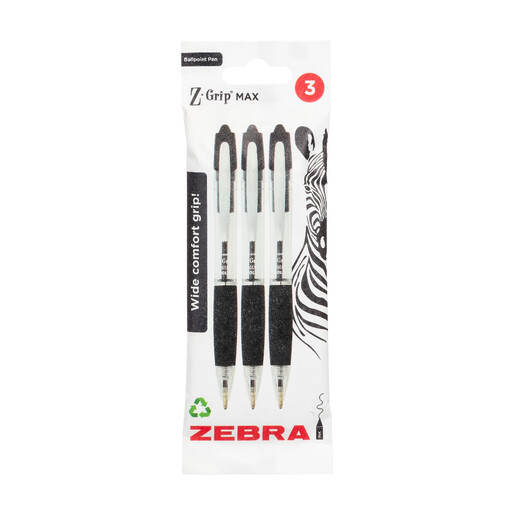
Why It Stands Out: The Z-Grip Max is defined by its significantly wider, "chunky" barrel. This design is engineered to increase the surface area for your hand, which helps to distribute pressure more evenly and reduce writing fatigue during long sessions.
Pros:
Who is it for? This pen is an excellent choice for individuals who experience grip difficulties or conditions like arthritis. It is also ideal for anyone who simply prefers the feel of a more substantial, weighty pen for daily tasks.
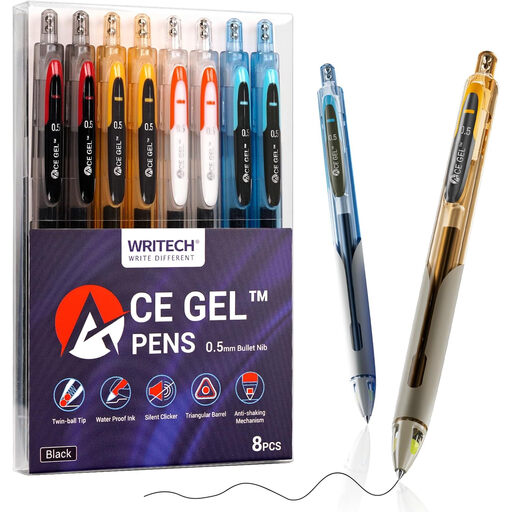
Why It Stands Out: This set of gel pens combines several user-focused features: an ergonomic triangular barrel with a soft silicone grip, a silent clicker mechanism and high-performance ink. The 0.5mm fine point is perfect for those who require precision in their writing.
Pros:
Who is it for? Students, journal keepers and professionals who need to write detailed notes without smudging. The silent mechanism also makes it a considerate choice for shared workspaces.
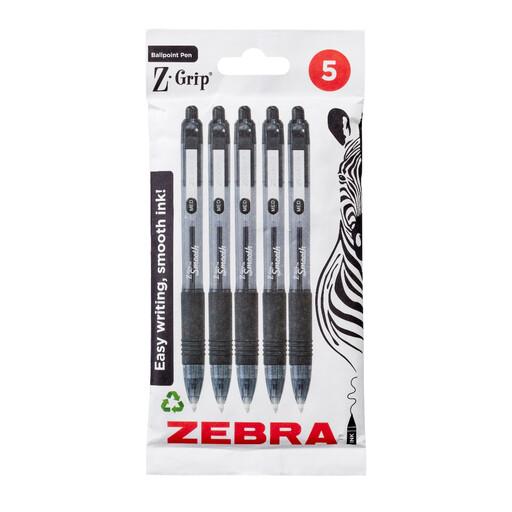
Why It Stands Out: The Z-Grip Smooth elevates the classic ballpoint experience with its advanced low-viscosity ink. This specialised formula significantly reduces writing friction, offering a glide that feels closer to a gel pen while maintaining the reliability and longevity of a ballpoint.
Pros:
Who is it for? This pen is perfect for office professionals, students and anyone who writes extensively and values a consistently smooth writing pen. It's a workhorse for everyday note-taking, form-filling and general use.
If you already have pens you like but wish they were more comfortable, adapting them may be an option. Adding a separate grip can transform a standard pen into a more ergonomic tool.
If you're looking to enhance the comfort of your current favourite pens, exploring a dedicated grip might be the perfect solution. Discover our range of pencil grips to find an accessory that suits your needs.
An ergonomic pen is one designed to work in harmony with the human hand to minimise strain and maximise comfort. Key features include a cushioned or textured grip area, a barrel diameter and shape that allows for a relaxed hold and balanced weight distribution. The goal is to reduce the muscle tension required to write.
This often comes down to personal preference. Gel pens typically require less pressure to produce a bold line, which can reduce hand fatigue. However, their ink may be consumed faster. High-quality ballpoints with modern, low-viscosity ink can also provide an exceptionally smooth glide and tend to have a longer lifespan, making them a reliable choice for marathon writing tasks.
While a pen is not a medical device or treatment, many users with conditions like arthritis find that certain features help make writing more comfortable. A pen with a wider, cushioned barrel can reduce the need for a tight pinch grip, which may alleviate stress on finger joints. Choosing a pen with free-flowing ink also means less pressure is needed to write, further reducing strain.