
24/7 Customer Support

Free returns

Same-day & Next-day Delivery

Quality Guaranteed

Unlock Your Welcome Offers: FREE Delivery | Up to 80% OFF | Free 30-day JoyPlus trial
Download the APP
An exercise ball, often called a gym ball or yoga ball, is one of the most versatile pieces of fitness equipment you can own. Whether you're looking to intensify your home workouts, improve your posture at your desk or find gentle support during pregnancy, the right ball can make a significant difference.
However, with so many options available, choosing the correct one can feel overwhelming. My role as the Joybuy Product Recommendation Officer is to help you navigate the choices. This guide cuts through the marketing jargon to provide clear, practical advice, helping you find a fitness ball that suits your needs and budget.
Before you add one to your basket, consider these key factors to ensure you get the most out of your purchase.
The single most important factor is choosing the correct size, which is determined by your height. An incorrectly sized ball can be ineffective and may even lead to poor form.
For Exercise: Use your height as a guide.
As a Yoga Ball Chair: When using the ball at a desk, the goal is to have your hips level with or slightly higher than your knees, with your feet flat on the floor. Measure your desk height and choose a ball that allows for this posture.
When you're balancing on a ball, safety is paramount. Look for two key features:
While most exercise balls are multi-purpose, some have features tailored for specific activities.
Here are a few standout options that cater to a range of needs, selected for their features and user-centric design.
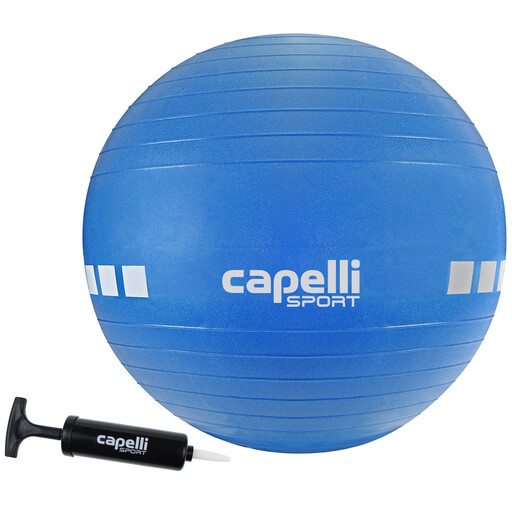
Why It Stands Out: This is an excellent all-rounder that comes as a complete set. Made from durable, anti-burst PVC, it features an anti-slip surface for secure workouts. The inclusion of a foot pump means you have everything you need to get started right away.
Pros:
Who is it for? This is a great starting point for home fitness enthusiasts, individuals seeking a ball for physical therapy or those looking for a versatile option that covers all the basics well.
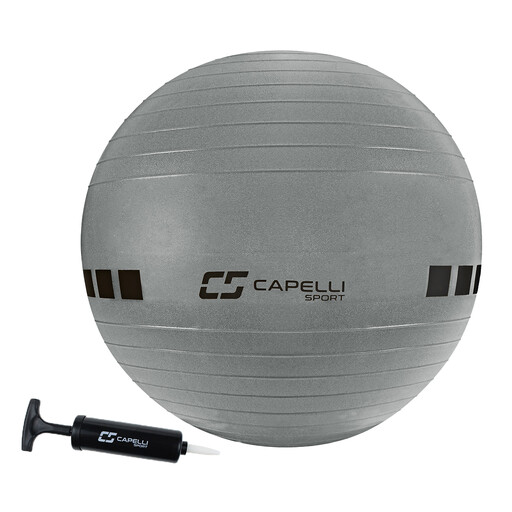
Why It Stands Out: The Capelli Sport ball places a strong emphasis on safety with its honeycomb structure, designed to ensure slow deflation if compromised. Its robust build makes it a reliable choice for a wide range of applications, from intense Pilates sessions to gentle prenatal stretching.
Pros:
Who is it for? Anyone prioritising safety features will appreciate this model. It's particularly well-suited for expectant mothers looking for a reliable birthing ball or individuals undergoing physical therapy.
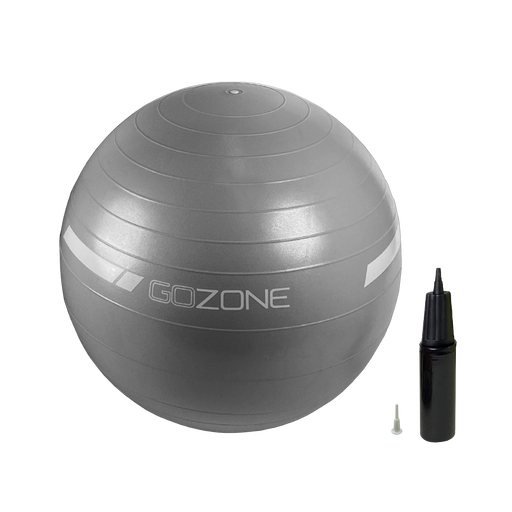
Why It Stands Out: This stability ball includes a unique feature: a 3lb weighted base. This added weight helps keep the ball anchored, preventing it from rolling away and providing enhanced stability during dynamic exercises or when used as an office chair.
Pros:
Who is it for? This is an excellent choice for office workers who want a more stable active seating solution or for fitness users looking to perform more advanced exercises without the ball shifting.
These recommendations cover some of the most popular needs, but the world of active equipment is vast. If you're building a workspace that encourages movement, you might be interested in exploring other solutions.
For a wider selection, browse our full range of office fitness equipment to find tools that help you stay active throughout your day.
1. What size exercise ball should I get? As a general rule, choose based on your height. For exercise, a 55cm ball is good for users under 5'4", a 65cm ball for those between 5'4" and 5'10" and a 75cm ball for anyone taller. When sitting on the ball, your thighs should be parallel to the floor.
2. Can using a gym ball as a chair help with back pain? Using a fitness ball as a chair encourages 'active sitting', which engages your core muscles to maintain balance. This can help improve posture and may alleviate some of the discomfort associated with long periods of static sitting. However, it is not a medical treatment. If you have persistent back pain, it is always best to consult a doctor or physical therapist.
3. How do I know if my yoga ball is inflated correctly? A properly inflated ball should feel firm but have a little give. A good test is to sit on it: your hips should be level with or slightly above your knees and your feet should rest flat on the floor. Avoid over-inflating, as this can strain the material and make the ball too rigid and unstable. Always follow the manufacturer's inflation guidelines.