
24/7 Customer Support

Free returns

Same-day & Next-day Delivery

Quality Guaranteed

Unlock Your Welcome Offers: FREE Delivery | Up to 80% OFF | Free 30-day JoyPlus trial
Download the APP
Navigating the world of exotic fruit drinks can feel like a trip around the globe, with vibrant packaging promising a taste of the tropics. From rich mango juice drinks to refreshing Caribbean soft drinks, the options available in the UK are more diverse than ever. However, not all beverages deliver on their promise. Many shoppers find themselves disappointed by drinks that are overly sweet, lack authentic fruit flavour or contain unexpected ingredients.
As the Joybuy Product Recommendation Officer, my role is to help you see past the marketing hype. This guide will highlight the common pitfalls to avoid when shopping for world food drinks and explain the key factors to check, ensuring you choose a beverage that truly satisfies your craving for something different.
Before you add a colourful carton to your basket, be aware of these frequent issues that can lead to a disappointing purchase.
To make a confident choice, focus on these three non-negotiable factors on the product label.
To help you find a drink that matches your preferences, here are a few recommendations for different types of drinkers.
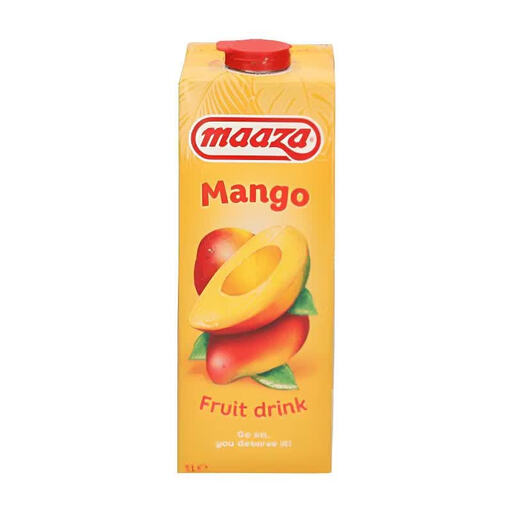
Why This Fits Their Persona: This is for someone who wants a genuine, rich mango juice drink experience, not a watered-down imitation. It delivers a classic, smooth flavour that is popular across South Asia and is a staple in many UK households seeking authentic world food drinks.
It sidesteps the low-juice pitfall by clearly stating its use of 18% mango puree, including Alphonso mangoes, which are known for their deep flavour. This ensures an authentic taste rather than just sweetness.
The use of high-quality mango puree provides a rich, smooth and non-watery texture. It is also free from common allergens.
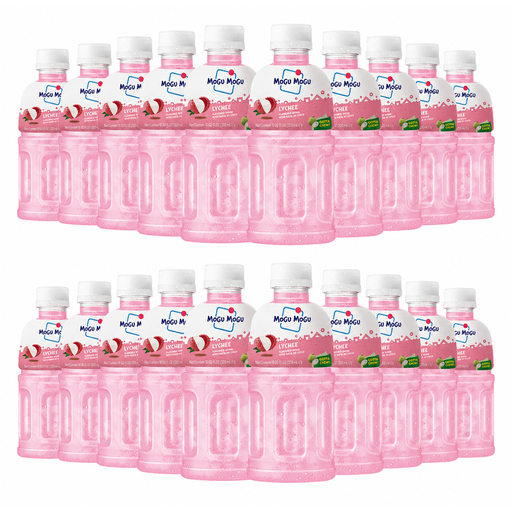
Why This Fits Their Persona: This is for the person who sees a drink as a fun experience. The combination of a sweet lychee drink with chewy nata de coco (coconut jelly) makes it a beverage and a light snack in one, perfect for breaking up the monotony of standard soft drinks.
It avoids the "texture trap" by making the chewy bits the star of the show. With a generous 25% nata de coco content, you are guaranteed a substantial, satisfying chew in every sip.
It offers a unique textural experience that other drinks do not. The sweet and floral lychee flavour is a classic pairing for the coconut jelly.
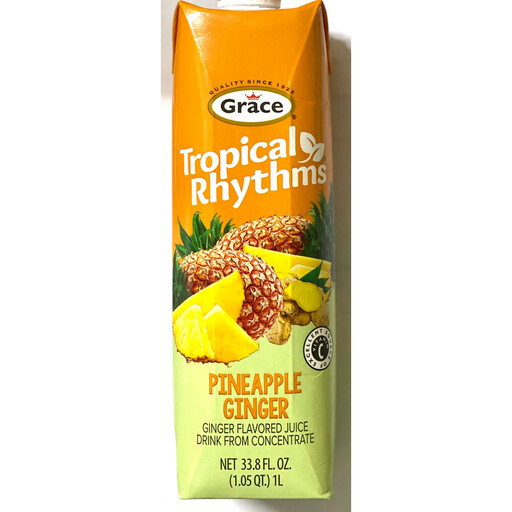
Why This Fits Their Persona: For the home entertainer or aspiring mixologist, this drink provides a bold flavour base. Its blend of sweet pineapple and warm ginger is a classic Caribbean combination that works exceptionally well in mixed drinks, adding an instant tropical flair.
Unlike one-dimensional sweet drinks, this one includes 0.5% ginger extract. This provides a genuine, spicy warmth that cuts through the sweetness and holds its own when mixed with spirits or other juices.
The balanced sweet-and-spicy profile makes it highly versatile. It is equally enjoyable on its own over ice or as a lively mixer for rum or vodka-based cocktails.
We have compiled a complete, real-time list of products that fully satisfy these strict selection criteria and UK safety regulations.
1. What is the difference between a 'fruit juice' and a 'fruit drink'? In the UK, the term "fruit juice" is legally protected and means the product is 100% fruit juice. A "fruit drink," "juice drink" or "beverage" is not protected in the same way and can contain any amount of juice, often with added water, sugar and flavourings. Always check the ingredients list for the actual fruit percentage.
2. Are exotic fruit drinks with bits in them, like aloe or nata de coco, good for you? These drinks are primarily for refreshment and enjoyment. The "bits," such as aloe vera pulp or nata de coco (a coconut-based jelly), add a unique texture. While aloe vera has some associated wellness claims, in these beverages, it is usually present in small amounts and the drinks can be high in sugar. It is best to view them as a treat rather than a health product.
3. How can I use passion fruit juice or other tropical juice in cocktails? A quality tropical juice like a passion fruit juice or mango nectar is an excellent base for cocktails. For a simple and refreshing mix, combine 50ml of white rum or vodka with 150ml of your chosen tropical juice over ice. Top with a splash of soda water and a squeeze of fresh lime to balance the sweetness. They also work well in non-alcoholic mocktails when mixed with sparkling water and fresh mint.