
24/7 Customer Support

Free returns

Same-day & Next-day Delivery

Quality Guaranteed

Unlock Your Welcome Offers: FREE Delivery | Up to 80% OFF | Free 30-day JoyPlus trial
Download the APP
Walking down the cooking oil aisle can feel overwhelming. With terms like cold pressed olive oil, single origin and high polyphenol on every label, it’s easy to feel unsure about which bottle to choose. Are you looking for the right oil for a salad dressing, a robust option for high-heat cooking or a finishing drizzle to elevate a finished dish?
As a Joybuy Product Recommendation Officer, my role is to help you understand these distinctions. This guide is designed to cut through the jargon, offering clear, practical advice to help you select an olive oil that genuinely suits your kitchen and lifestyle needs. We will explore some key factors to consider and highlight a few noteworthy options available today.
Before we look at specific products, let's clarify a few key points that can make your next purchase much simpler. Understanding these will help you match the right oil to the right task.
The most important distinction is the grade. Extra Virgin Olive Oil (EVOO) is the highest grade, produced by mechanically pressing olives without the use of heat or chemicals. This process, known as cold pressed, preserves the oil's natural flavour, aroma and beneficial compounds. It's ideal for dressings, dips and finishing dishes where you want the flavour to shine.
In contrast, a product simply labelled "Olive Oil" is typically a blend of refined olive oil and a smaller amount of virgin or extra virgin olive oil. The refining process makes it more stable at higher temperatures, giving it a higher smoke point. This makes it a practical choice for general olive oil for cooking, such as sautéing, roasting and grilling.
Where the olives are grown significantly impacts the oil's taste. A single origin olive oil comes from one specific country or region, offering a consistent and distinct flavour profile year after year. For example, some Spanish oils are known for being golden and nutty, while many examples of Italian olive oil can be grassy and herbaceous. Tunisian oils, like one of our recommendations, are often mild and smooth. Blended oils, on the other hand, combine oils from various sources to achieve a balanced, reliable flavour but may lack the unique character of a single-origin product.
You may have seen high polyphenol olive oil gaining attention. Polyphenols are naturally occurring antioxidant compounds found in olives. Oils made from early-harvest, green olives tend to have higher concentrations of these compounds, which contribute to a more robust, peppery or even slightly bitter taste. While many EVOOs contain polyphenols, those specifically marketed as "high polyphenol" are chosen for consumers seeking these properties for wellness purposes or as a potent finishing oil.
Based on their features, intended use and customer feedback, here are a few olive oils to consider for your pantry.
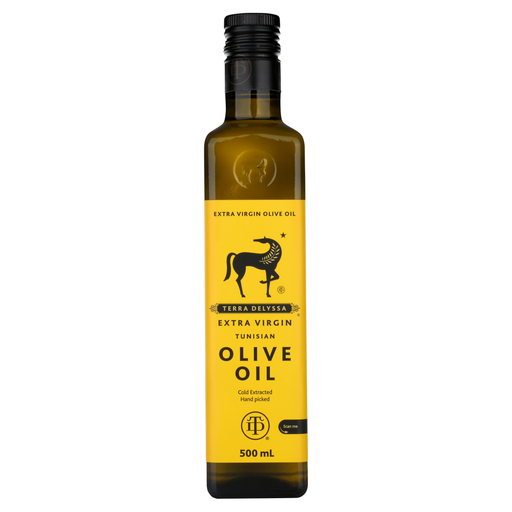
Why It Stands Out: Terra Delyssa offers the assurance of a 100% single origin product from Tunisia, with full farm-to-fork traceability. Its mild and smooth flavour profile makes it an incredibly versatile oil that won't overpower your ingredients.
Pros:
Who is it for?
View Terra Delyssa Extra Virgin Olive Oil on Joybuy
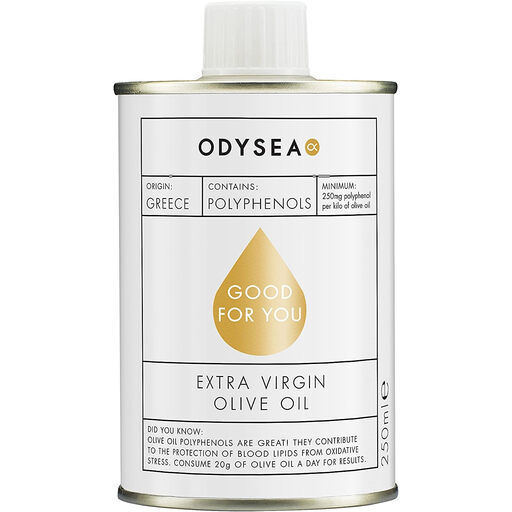
Why It Stands Out: This oil is specifically crafted from early-harvest Koroneiki olives from Crete to maximise its natural polyphenol content. The brand guarantees a minimum of 250mg of polyphenols per kilogram, making it a standout choice for those seeking a healthy cooking oil with functional properties.
Pros:
Who is it for?
View ODYSEA High Polyphenols EVOO on Joybuy
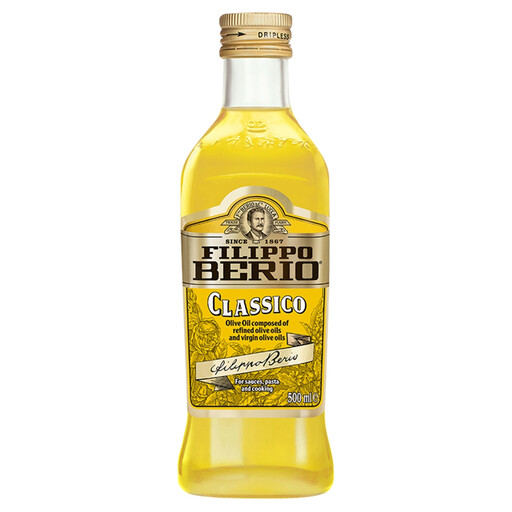
Why It Stands Out: This is not an extra virgin olive oil, but a purpose-made blend of refined and virgin olive oils. This composition gives it a higher smoke point, making it a more suitable and economical choice for high-temperature cooking methods.
Pros:
Who is it for?
View Filippo Berio Olive Oil on Joybuy
The versatility of olive oil extends beyond dressings and frying. Certain types can add wonderful moisture and a subtle, fruity complexity to baked goods. If you're curious about this, why not explore our curated selection of products suitable for olive oil baking?
1. Can you cook with extra virgin olive oil? Yes, you can, but it's best suited for low-to-medium heat cooking, such as gentle sautéing or baking. High-quality EVOO has a smoke point of around 190-207°C. For high-heat methods like searing or deep-frying, a standard "Olive Oil" or another oil with a higher smoke point is generally a better choice to prevent the oil from burning and developing off-flavours.
2. How should I store my olive oil to keep it fresh? Olive oil's three enemies are heat, light and air. To preserve its quality, store it in a cool, dark place like a pantry or cupboard, away from the stove or a sunny window. Ensure the cap is tightly sealed after each use. There is no need to refrigerate it; in fact, chilling can cause it to solidify and may lead to condensation, which can degrade the quality over time.
3. What does "cold pressed" actually mean? Under EU and UK regulations, for an oil to be labelled "Extra Virgin," it must be extracted solely by mechanical means at a temperature below 27°C. Therefore, virtually all EVOO you find in the UK is "cold pressed." The term "first cold press" is largely a holdover from older methods and is now more of a marketing phrase, as modern techniques extract the oil in a single, continuous process.