
24/7 Customer Support

Free returns

Same-day & Next-day Delivery

Quality Guaranteed

Unlock Your Welcome Offers: FREE Delivery | Up to 80% OFF | Free 30-day JoyPlus trial
Download the APP
Navigating the world of extra virgin olive oil can feel overwhelming. With terms like "cold pressed," "PGI" and "single origin" on every label, it's easy to feel lost when trying to choose the right bottle for your kitchen. Whether you're a home cook seeking the perfect drizzle for a salad, a foodie looking for a robust flavour to finish a dish or someone interested in the wellness properties of this liquid gold, making an informed choice matters.
This guide is designed to cut through the clutter. As a Joybuy Product Recommendation Officer, my role is to help you understand the key factors that define a quality olive oil. We will explore what to look for when you buy olive oil online and present a few carefully selected options that cater to different tastes and purposes.
Before diving into our recommendations, here are a few practical tips to help you select an oil that meets your needs.
The label on an olive oil bottle contains important clues about its quality. In the UK and EU, "Extra Virgin Olive Oil" is a legally protected term. It signifies the highest grade of olive oil, obtained directly from olives using only mechanical methods. It must have an acidity level of less than 0.8% and be free of sensory defects. The term "cold pressed olive oil" (or cold extraction) indicates that the oil was extracted at a temperature below 27°C. This gentle process helps preserve the oil's delicate flavours, aromas and beneficial compounds, such as polyphenols.
Just like wine, the flavour of olive oil is heavily influenced by its terroir—the soil, climate and olive variety. Italian olive oil, particularly from regions like Puglia, often has a robust, peppery and sometimes slightly bitter profile, making it a classic choice. Meanwhile, Greek olive oil, frequently made from Koroneiki olives, can be more grassy and herbaceous with a gentle peppery finish. The origin doesn't just promise a flavour profile; designations like PGI (Protected Geographical Indication) also provide an assurance of authenticity.
Not all extra virgin olive oils are created equal, and their best use varies. A delicate, fruity oil might be the best finishing olive oil for drizzling over fish or vegetables, while a more pungent, peppery oil can stand up to hearty soups and grilled meats. If you're looking for an olive oil for cooking, a good all-rounder with a milder flavour is often a practical choice for sautéing or making dressings. For those focused on wellness, a high polyphenol olive oil from an early harvest offers a concentrated source of natural antioxidants.
Here are three distinctive extra virgin olive oils, each offering something unique for the discerning home cook.
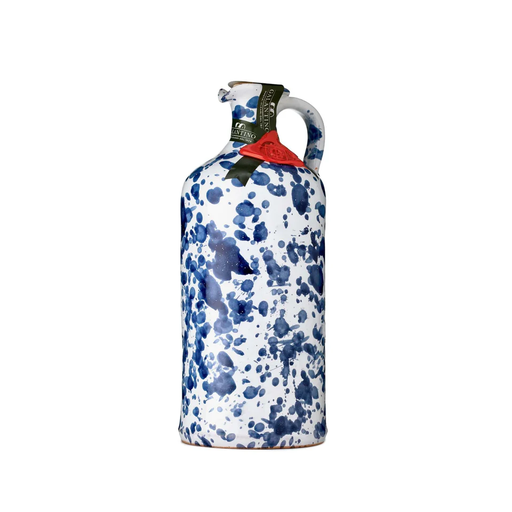
Why It Stands Out: This oil combines authentic Italian quality with stunning presentation. Housed in a hand-decorated ceramic bottle, it serves as both a premium culinary ingredient and a beautiful centrepiece for your dining table.
Pros:
Who is it for? This is an excellent choice for those who appreciate aesthetics and want an oil that looks as good as it tastes. It's perfect for gifting or for anyone wanting to add a touch of Italian artistry to their kitchen.
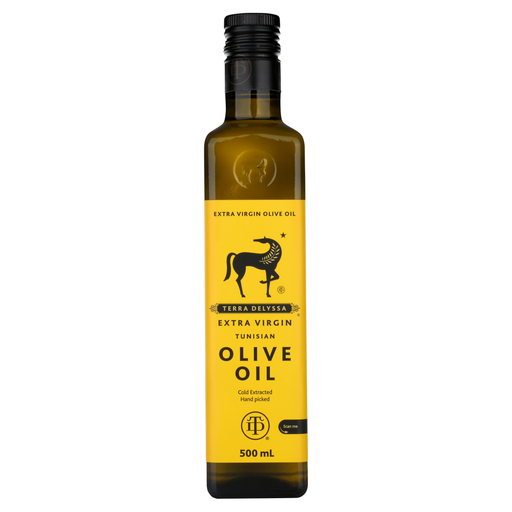
Why It Stands Out: This oil offers reliability and quality backed by an international award and full traceability. Its single-origin status from Tunisia provides a consistent and distinctive flavour profile that is incredibly versatile.
Pros:
Who is it for? Ideal for the everyday home cook who needs a dependable, high-quality oil for a variety of culinary tasks. If you want one excellent bottle that can do it all, this is a strong contender.
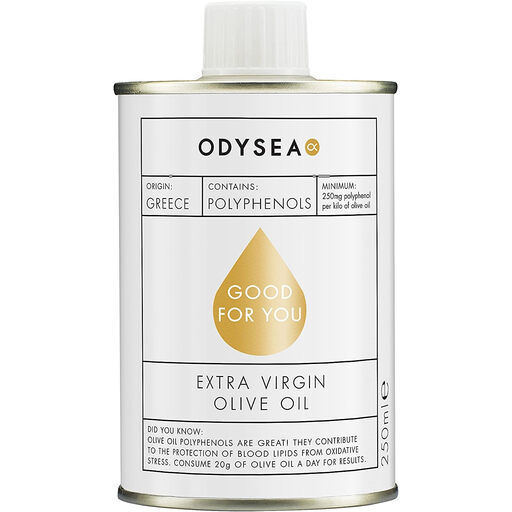
Why It Stands Out: This oil is specifically crafted to maximise its natural polyphenol content, making it a choice for those prioritising wellness. It is an early-harvest oil from a protected Greek region, designed to be used as a functional food.
Pros:
Who is it for? This high polyphenol olive oil is tailored for health-conscious individuals who view food as medicine. It's best used as a finishing oil or taken on its own as a daily supplement to support overall wellness.
While these three selections cover a range of specific needs—from gifting to daily cooking to wellness—the world of olive oil is vast and varied. If you're looking for a different flavour profile, origin or simply want to browse more choices, you can explore a wider selection of oils perfect for dressings and drizzles.
[Explore our full range of salad oil here](https://www.joybuy.co.uk/explore/salad-oil/4qvE5AhJ)
Yes, you can. Extra virgin olive oil is excellent for sautéing, roasting vegetables and other low-to-medium-heat cooking methods. However, it has a lower smoke point than refined oils, so it is not the best choice for deep-frying. Its rich flavour truly shines when used as a finishing oil to drizzle over dishes just before serving.
"Cold pressed" or "cold extraction" means the oil was extracted from the olives at a controlled temperature not exceeding 27°C. This mechanical process avoids the use of heat or chemicals, which can degrade the oil's quality. It is the standard method for producing high-quality extra virgin olive oil, as it preserves the natural flavours, aromas and nutritional compounds.
To protect its quality, store your extra virgin olive oil in a cool, dark place, away from direct sunlight and heat sources like your hob. Heat and light are the two biggest enemies of olive oil, as they can cause it to oxidise and lose its flavour. An opaque container, like a dark glass bottle or a tin, is ideal for storage.