
24/7 Customer Support

Free returns

Same-day & Next-day Delivery

Quality Guaranteed

Unlock Your Welcome Offers: FREE Delivery | Up to 80% OFF | Free 30-day JoyPlus trial
Download the APP
Navigating the olive oil aisle can feel like a complex task. With labels like 'cold pressed', 'single origin' and 'early harvest', it's easy to feel overwhelmed. You want a high-quality product, but how do you choose the right one for your salads, for dipping or for that final drizzle that elevates a dish?
As the Joybuy Product Recommendation Officer, my role is to help you cut through the clutter. This guide is designed to provide clear, practical advice, helping you select an excellent extra virgin olive oil that perfectly matches your taste and culinary needs. We will explore what makes an olive oil stand out and highlight a few of our top recommendations.
Before we look at specific products, understanding a few key terms can empower you to make a better choice.
The term Extra Virgin Olive Oil (EVOO) is a legally defined standard in the UK and EU. It signifies the highest grade of olive oil. To qualify, the oil must be extracted solely by mechanical means—without the use of chemicals or excessive heat—and meet specific chemical and sensory standards. The term cold pressed olive oil is often used to describe this process, indicating that the temperature was controlled during extraction to preserve the oil's delicate flavours, aromas and beneficial compounds.
The flavour and health properties of olive oil are significantly influenced by when the olives are picked. An early harvest olive oil, made from green, unripe olives, typically has a more robust, peppery and sometimes bitter flavour. This is because these young olives contain higher levels of polyphenols. A high polyphenol olive oil is sought after by those looking for the potential antioxidant benefits associated with the Mediterranean diet, making it a popular choice for the healthiest olive oil. Oils made from later-harvest, riper olives tend to be milder, more buttery and less peppery.
There is no single "best" oil for every situation. A pungent, spicy oil might be the perfect finishing olive oil to drizzle over a hearty bean soup or a grilled steak, but it could overpower a delicate fish.
Based on their distinct characteristics and intended uses, here are three noteworthy extra virgin olive oils available right now.
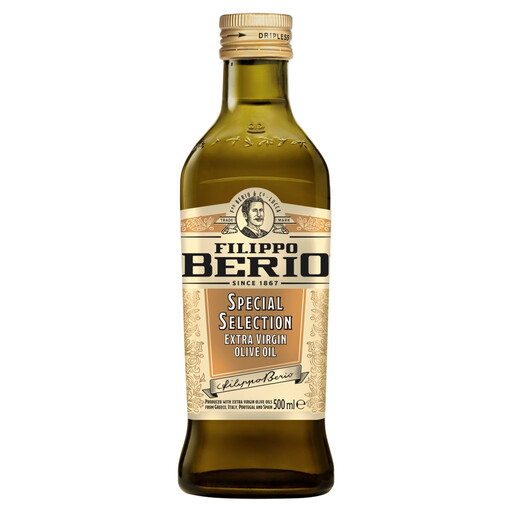
Why It Stands Out: This oil is a fantastic all-rounder from a historic Italian brand. It is specially blended to create a consistently smooth and accessible flavour profile. It delivers the quality of a genuine EVOO without the intense bitterness or pepperiness found in some early-harvest oils, making it exceptionally versatile.
Pros:
Who is it for? This is an excellent starting point for those new to exploring premium olive oils. It's also perfect for home cooks who need a dependable, high-quality Italian extra virgin olive oil for a wide range of dishes, from salads to sauces.
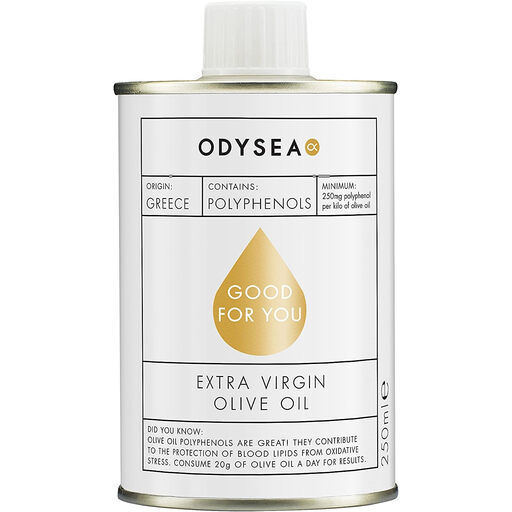
Why It Stands Out: This oil is specifically produced to maximise its natural polyphenol content. Made exclusively from early harvest Koroneiki olives from Crete, it guarantees a minimum of 250mg of polyphenols per kilogram. Its vibrant, grassy flavour and peppery finish are direct indicators of its freshness and antioxidant concentration.
Pros:
Who is it for? This oil is aimed at the health-conscious consumer who views food as a functional part of their wellness routine. It's also for food lovers who appreciate a robust, pungent finishing olive oil to drizzle over meze, salads or grilled vegetables.

Why It Stands Out: As a novelo oil, this is one of the first oils of the season, pressed from olives harvested in October. This results in an intensely fresh, vivid green oil with the unmistakable taste of just-pressed olives. It is unapologetically bold, with a pronounced bitterness and spiciness that connoisseurs seek out.
Pros:
Who is it for? This is for the culinary enthusiast who wants to make a statement. If you appreciate bold flavours and want an oil that acts as a distinct ingredient to elevate rustic soups, fresh cheeses and simple salads, this is an outstanding choice.
While these selections cater to specific tastes and uses, the world of fine oils is vast and exciting. If you're looking for different flavour profiles, organic options or oils suited for gentle cooking, there are many other excellent products to discover.
Explore Our Full Cooking Oil Collection
Extra virgin olive oil is the highest grade. It is an unrefined oil extracted using a cold pressed method, which preserves its natural flavour, aroma and nutrients. Regular "olive oil" is typically a blend of refined olive oil (which has been treated with heat or chemicals) and a small amount of virgin olive oil. This makes it milder in taste and more suitable for general-purpose cooking, but it lacks the complex character and full health profile of EVOO.
Yes, you can, but it's a matter of purpose. High-quality EVOO has a lower smoke point than refined oils and its delicate flavours can be diminished by high heat. It is excellent for gentle sautéing or baking. However, to fully appreciate its character, it is best used as a finishing olive oil drizzled over dishes just before serving, in salad dressings, or for dipping.
To protect its quality, store your olive oil in a cool, dark place away from direct sunlight and heat sources like your hob. Heat, light and air are the enemies of fresh olive oil. Always seal the cap tightly after use. Refrigeration is not necessary and can cause the oil to solidify (though this is harmless and reversible at room temperature).