
24/7 Customer Support

Free returns

Same-day & Next-day Delivery

Quality Guaranteed

Unlock Your Welcome Offers: FREE Delivery | Up to 80% OFF | Free 30-day JoyPlus trial
Download the APP
The skin around our eyes is thinner and more delicate than anywhere else on our face, making it one of the first places to show signs of fatigue, dehydration and ageing. Navigating the world of eye creams can be a challenge, with countless products all promising remarkable results. As a Joybuy Product Recommendation Officer, my role is to help you see past the marketing jargon and focus on what truly matters for your skin.
Before you add another jar to your basket, let's look at some common pitfalls that lead to disappointing purchases and wasted money.
To make an informed choice, you need to match the product's ingredients to your specific concerns. Here are the core parameters to analyse before you buy.
Understanding which ingredients work for which issue is the most critical step. Look for these on the product label:
The texture of an eye cream affects how it feels and how it sits under makeup. A lightweight, gel-like formula might be preferable for daytime use, as it absorbs quickly and won't cause concealer to pill. A richer, thicker cream can be ideal for your nighttime routine, providing intensive hydration while you sleep. Also, check if the product is labelled as ophthalmologically tested, which indicates it has been deemed suitable for use around the eye area, a plus for everyone and a must for those with sensitive eyes or who wear contact lenses.
Potent ingredients like Retinol and Vitamin C can degrade when exposed to light and air. Opaque, airless pump dispensers are generally better than open-mouthed jars for preserving the stability and efficacy of these active ingredients. This ensures the formula remains effective from the first use to the last.
To help you find a suitable match, here are several eye creams aligned with different user needs and priorities.
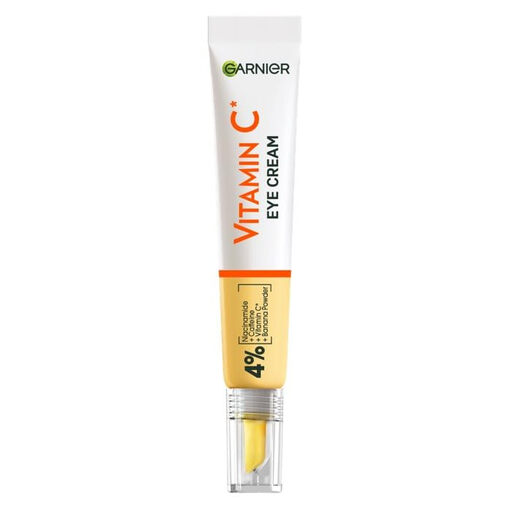
Why This Fits Their Persona: This is an accessible and straightforward option for those new to eye creams or focusing on signs of fatigue. It targets common concerns like dark circles and puffiness without a hefty price tag, making it a practical daily-use product for the UK consumer.
It avoids the "overpaying for basic hydration" trap by offering a blend of well-known active ingredients (Vitamin C, Niacinamide, Caffeine) at an affordable price point. The inclusion of banana powder provides a cosmetic brightening effect, but the formula is built on ingredients that work on skin tone over time.
Targets both dark circles and puffiness with a multi-ingredient approach. The lightweight powder-cream texture absorbs quickly, making it suitable for use under makeup.
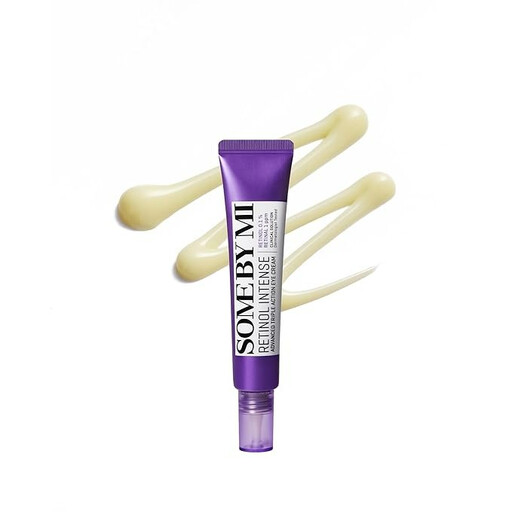
Why This Fits Their Persona: Ideal for someone specifically targeting fine lines and loss of firmness. This popular **Korean eye cream** offers a potent combination of ingredients focused on visible signs of ageing, appealing to the skincare-savvy consumer looking for effective formulations.
This cream counters the "one-size-fits-all" trap by being transparent about its triple-action focus: firming, brightening and soothing. It clearly states its 0.1% retinol and retinal complex, managing expectations by recommending a tolerance-building phase for new users.
Features a dual-retinoid complex (retinol and retinal) for anti-ageing benefits. It also includes niacinamide and plant extracts to soothe and brighten, offering a comprehensive approach to eye area rejuvenation.
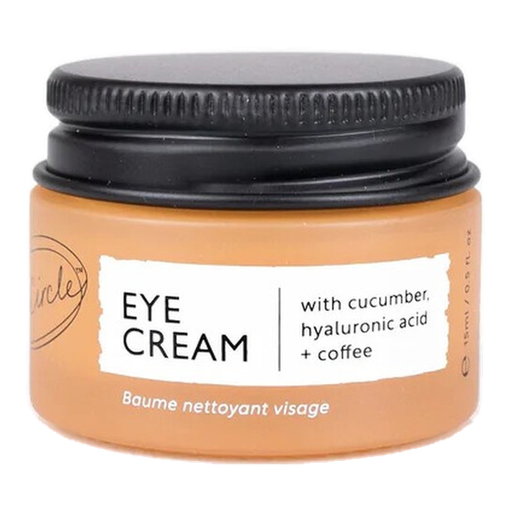
Why This Fits Their Persona: Perfect for the eco-conscious UK consumer who prioritises natural, vegan and cruelty-free products. Its gentle formulation is suitable for sensitive skin, focusing on soothing and de-puffing with plant-based ingredients.
It sidesteps the "miracle in a jar" myth by focusing on its ethical and sustainable credentials. The value proposition is clear: a natural eye cream made in the UK with repurposed ingredients that gently hydrates and helps reduce puffiness, without over-the-top claims.
Made with 99% natural ingredients, including repurposed coffee grounds and anti-inflammatory maple bark extract. It is vegan, cruelty-free and comes in recyclable packaging.
We have compiled a complete, real-time list of products that fully satisfy these strict selection criteria and UK safety regulations.
For many, the answer is yes. While you can bring your facial moisturiser up to the eye area, it's not always ideal. Eye creams are specifically formulated for the thin, sensitive skin around the eyes. They are typically lighter in texture to avoid weighing the skin down and are often ophthalmologically tested to minimise the risk of irritation. Furthermore, they contain targeted concentrations of active ingredients to address concerns like puffiness and dark circles, which a standard face cream may not.
There is no single correct age to start. Many people begin incorporating an eye cream into their routine in their mid-to-late 20s as a preventative measure, often starting with a simple hydrating eye cream. However, it is never too late to start. The best time is whenever you begin to notice concerns you'd like to address, whether that's dryness, puffiness or the first signs of fine lines.
Patience and consistency are key. You may feel immediate hydrating and smoothing effects, especially from formulas containing hyaluronic acid. However, for active ingredients to make a visible difference to concerns like wrinkles or dark circles, you should expect to use the product consistently every day for at least 4 to 8 weeks. For a retinol eye cream, results may become more apparent after 3 to 6 months of continuous use.