
24/7 Customer Support

Free returns

Same-day & Next-day Delivery

Quality Guaranteed

Unlock Your Welcome Offers: FREE Delivery | Up to 80% OFF | Free 30-day JoyPlus trial
Download the APP
Dark circles, puffiness, dehydration and fine lines rarely have one single cause. Genetics, pigmentation, tiredness, dryness and natural skin ageing can all affect how the eye area looks. That is why choosing an eye cream based only on a prominent marketing claim can lead to disappointing results.
The right product should match your main concern, skin sensitivity, preferred texture and willingness to use it consistently. Before choosing a brightening eye cream or anti-ageing eye cream, consider these common buying pitfalls.
Some eye creams contain light-reflecting pigments, mica or tinted powders that make the under-eye area appear brighter immediately. This can be useful under make-up, but the visible effect may be cosmetic rather than a change in pigmentation or fine lines.
Check whether the product also contains functional ingredients such as niacinamide, vitamin C derivatives, caffeine, humectants or retinoids. These ingredients serve different purposes and should not be treated as interchangeable.
Caffeine-based eye cream for puffy eyes may suit temporary morning puffiness, while pigmentation, hollowness or naturally thin skin may need a different approach. A product cannot change every type of dark circle.
Look for a realistic match between the formula and your concern. Brightening ingredients may help improve the look of dullness, while a hydrating eye cream can make dry fine lines appear less noticeable by supporting the skin’s moisture levels.
The eye area is delicate. Fragrance, essential oils, alcohol denat., botanical extracts and active ingredients can be unsuitable for some users, even when a product is labelled gentle or suitable for sensitive skin.
Always read the current packaging, follow the usage directions and patch test where appropriate. Avoid applying eye cream directly to the eyeball, inner rim or broken skin.
Retinol and retinal require extra care. Start slowly, avoid direct eye contact and use daytime sun protection. Stop using the product if persistent redness, stinging, swelling or peeling develops.
A rich balm may feel comfortable at night but can interfere with concealer during the day. Lightweight gels, emulsions and silicone-based creams often spread easily and form a smoother base under make-up.
If you want one under-eye cream for morning and evening, look for a formula that absorbs without leaving a greasy film. Products containing light-reflecting pigments may offer an immediate brightening effect, but check the shade suits your skin tone.
Eye creams commonly contain 15ml to 20ml, while larger 30ml formats may be more suitable for users who also apply the product to expression lines, the neck or other wrinkle-prone areas. A higher price does not automatically mean better suitability.
Review the net content, ingredient list, directions, packaging and storage instructions. Products with retinoids may require careful storage away from direct sunlight. Vegan claims should also be checked against the specific product description, as brand-wide ethical statements may not apply to every formula.
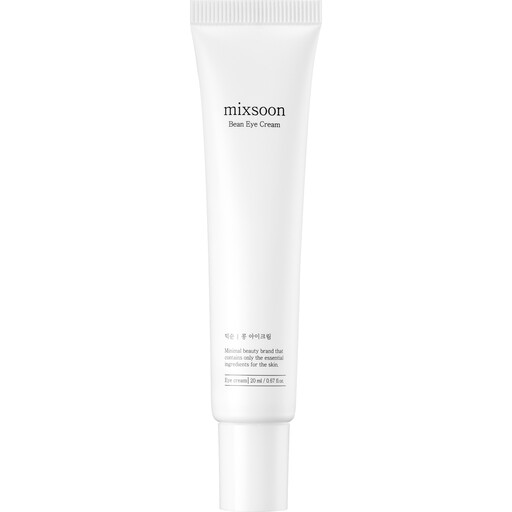
Why This Fits Their Persona: A 20ml option for shoppers starting a simple morning and evening routine, with a lightweight texture that can also be used on forehead, smile lines and neck.
Its ingredient list identifies niacinamide, panthenol, glycerin and fermented extracts rather than relying only on an instant brightening claim.
20ml size; contains glycerin, panthenol, niacinamide and adenosine; non-sticky finish according to the product description.
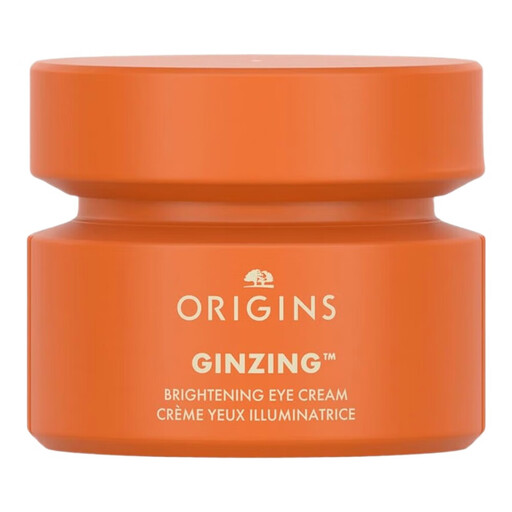
Why This Fits Their Persona: Suitable for shoppers who value a make-up-friendly morning eye cream with a warm brightening tone for medium-to-deep complexions.
The product specifies its shade, texture and ophthalmologist-tested positioning, helping shoppers assess finish and use rather than relying on vague “awake eyes” wording.
Contains caffeine, niacinamide, sodium hyaluronate and vitamin C derivative; designed for morning use and under make-up.
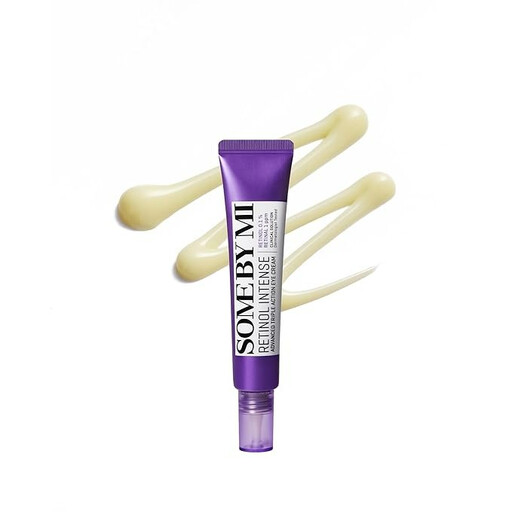
Why This Fits Their Persona: A 30ml retinol eye cream for users seeking a dedicated night-time formula and a larger format for selected wrinkle-prone areas.
The product lists retinol and retinal and provides gradual-use guidance, making its active approach clearer than an unspecified anti-ageing label.
30ml size; includes retinol, retinal, niacinamide, panthenol, hyaluronic acid and beta-glucan; intended for night use.
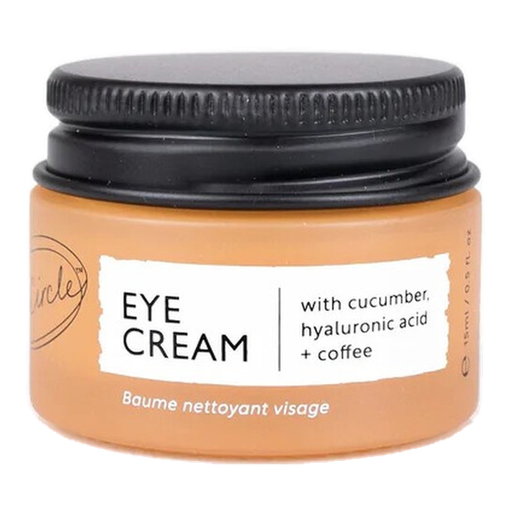
Why This Fits Their Persona: A UK-made option for shoppers who prioritise vegan credentials, recyclable packaging and a nourishing texture for daily use.
The formula and packaging details are stated clearly, including its natural-origin positioning, vegan status and use of repurposed coffee grounds.
Contains caffeine, cucumber extract, chamomile and sodium hyaluronate; UK-made, vegan and packaged in recyclable glass and aluminium.
We have compiled a complete, real-time list of products that fully satisfy these strict selection criteria and UK safety regulations.
Use a small amount and apply it along the orbital area with your ring finger, using light tapping rather than pulling. Keep active products away from the inner lash line unless the packaging specifically instructs otherwise.
For a retinol eye cream, begin on alternate nights and avoid combining it immediately with other strong exfoliating products around the eyes. During the day, apply broad-spectrum sunscreen to the surrounding face and follow the product’s storage instructions.
There is no single formula suited to every type of dark circle or wrinkle. Choose based on the cause you are trying to address: caffeine for the look of puffiness, brightening ingredients for dullness, moisturisers for dehydration and retinoids for users seeking a more intensive night-time routine.
A 15ml product can last several weeks or longer, depending on how much is applied and whether it is used once or twice daily. A small amount is generally sufficient for both eye contours. Using more product does not necessarily improve results and may increase the chance of irritation.
Yes, provided the formula has absorbed and the product directions allow morning use. Lightweight creams and silicone-based textures are often easier to layer beneath concealer. Allow a short settling period before applying make-up and avoid rubbing the delicate area.