
24/7 全天候客户支持

免费退货

当日/次日达

品质保障

开启新人专享福利: 全场免邮 | 低至 2 折 | 免费试用 30 天 JoyPlus 会员
下载 Joybuy
Fine lines, dark circles and morning puffiness can make choosing an under-eye cream surprisingly difficult. Many products use phrases such as “instant lift”, “advanced correction” or “brightening technology”, but these descriptions do not always explain what the formula can realistically do.
The right eye cream should match your main concern, skin sensitivity and preferred texture. It should also fit comfortably into your routine, particularly if you wear make-up during the day or use active ingredients such as retinol at night.
Wrinkles, dehydration, pigmentation and puffiness can have different visible causes. A hydrating eye cream may soften the look of dry fine lines, while caffeine-based products are commonly selected for the appearance of temporary puffiness. A brightening eye cream may include vitamin C, niacinamide or light-reflecting minerals, but this does not mean it will correct every type of dark circle.
Choose according to your most noticeable concern rather than buying the longest ingredient list.
Botanical extracts, essential oils and fragrance can be enjoyable for some users but may not suit easily irritated eye contours. Conversely, a minimalist or fragrance-free formula may be more practical for sensitive skin, even if it has less decorative packaging.
Always check the complete ingredient list and follow the product’s warning instructions. A patch test is sensible when trying a new product, especially if you have previously reacted to skincare.
Tinted pigments, mica and light-reflecting particles can make the under-eye area appear brighter immediately. This may be useful under concealer, but it is different from gradually improving the appearance of dryness or uneven tone with regular use.
Look for clearly stated ingredients and realistic usage instructions rather than relying only on before-and-after language.
For an eye cream for fine lines, useful categories to compare include:
Ingredients should be assessed alongside the whole formula. For example, fragrance and essential oils may be less suitable for some sensitive users, while richer emollients may appeal to people with dry skin.
A lightweight gel or serum can be more comfortable in the morning and may sit neatly beneath concealer. Balms and richer creams can suit dry skin or an evening routine, although they may feel too substantial for oily or combination skin.
For UK shoppers managing changing indoor heating, cold weather and damp conditions, a formula that leaves the eye contour comfortable without excessive greasiness is usually easier to use consistently.
Most eye creams contain around 12–30 ml, but the amount needed per application is small. A 15 ml tube or jar can last for several weeks or longer when using a rice-grain-sized amount per eye.
Check whether the packaging protects the formula from heat and direct sunlight. Products containing retinoids should be stored carefully and closed securely. Also verify the current ingredient list and shelf-life details printed on the packaging, as formulations can change.
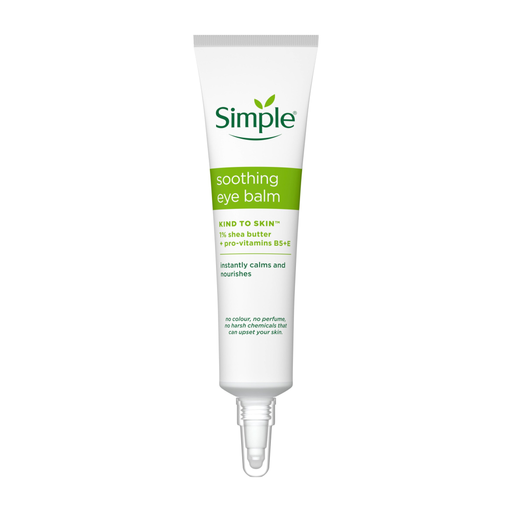
Why This Fits Their Persona: A straightforward daily option for shoppers beginning an under-eye routine, including those who prefer a fragrance-free, vegan-friendly formula.
It focuses on moisturising and soothing rather than promising dramatic correction of every concern.
Contains panthenol, vitamin E, shea butter and jojoba oil; the product is described as hypoallergenic and dermatologically tested.
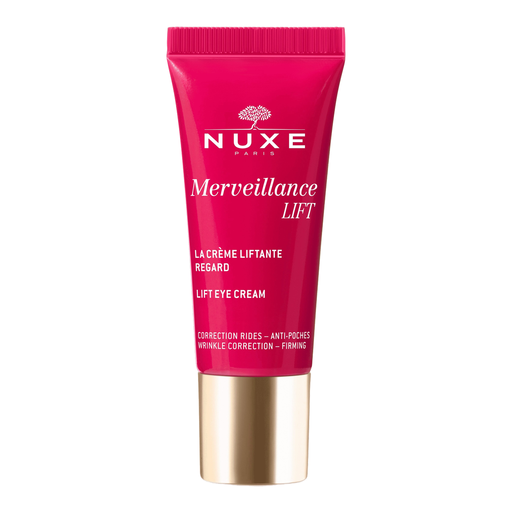
Why This Fits Their Persona: Suits shoppers looking for a richer anti-ageing eye cream with a non-greasy finish and a formula positioned around firmness, hydration and visible dark-circle concerns.
Its published composition identifies moisturising ingredients such as squalane, shea butter and hyaluronic acid, allowing a clearer comparison than packaging language alone.
Vegan formula with 94% natural-origin ingredients; described as ophthalmologically tested and suitable for contact lens wearers.
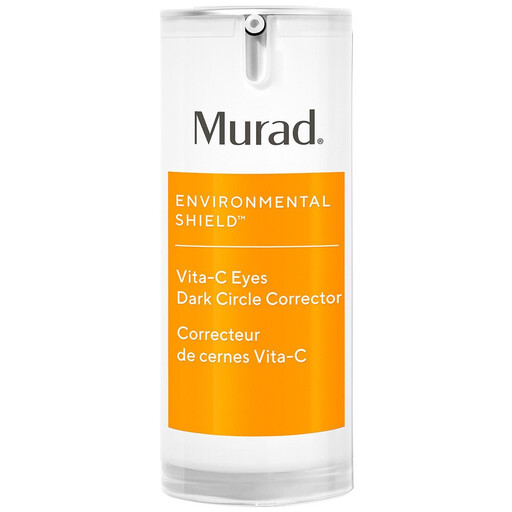
Why This Fits Their Persona: A focused choice for shoppers whose main priority is the look of under-eye discolouration rather than a rich firming balm.
It distinguishes its purpose as a dark-circle corrector and uses light-reflecting minerals for an immediate cosmetic brightening effect.
Includes vitamin C derivatives, niacinamide, glycerin and sodium hyaluronate; listed as suitable for sensitive skin types.
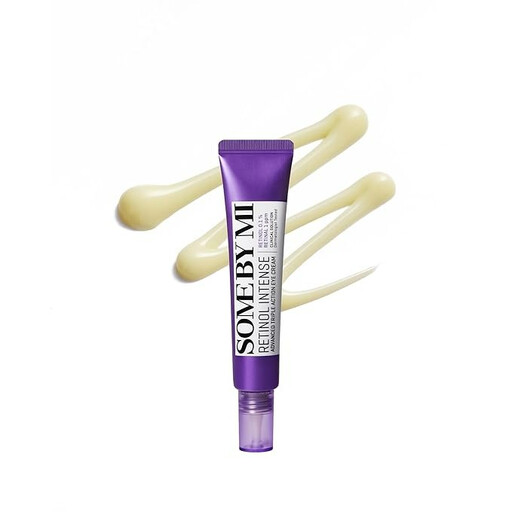
Why This Fits Their Persona: Designed for shoppers specifically comparing retinol eye cream options for fine lines, uneven tone and a night-time routine.
It clearly identifies retinol and retinal in the formula and provides gradual-use guidance, rather than presenting an active treatment as an instant fix.
30 ml size with niacinamide, tranexamic acid, panthenol and hyaluronic acid; intended for night-time use.
We have compiled a complete, real-time list of products that fully satisfy these strict selection criteria and UK safety regulations.
Hydration and a smoother make-up finish may be noticeable relatively quickly. Changes in the appearance of fine lines, uneven tone or puffiness usually require consistent use over several weeks. Results vary according to the cause of the concern, routine and individual skin.
Not necessarily. Follow the product instructions and begin gradually if you are new to retinoids. Applying it every other night initially can help you assess tolerance. Use daytime sun protection and avoid applying retinol to broken or irritated skin.
A separate product is not essential for everyone, but eye creams are made for a small, delicate area and often offer a specific texture or ingredient combination. They can be useful when your facial moisturiser feels too heavy, causes stinging or does not address concerns such as dark circles or puffiness.