
24/7 全天候客户支持

免费退货

当日/次日达

品质保障

开启新人专享福利: 全场免邮 | 低至 2 折 | 免费试用 30 天 JoyPlus 会员
下载 Joybuy
Whether you're battling the glow of streetlights, seeking relief from screen-induced eye strain or simply aiming for a deeper, more restorative night's sleep, an eye mask can be a small but powerful tool. However, the market is flooded with options, from simple fabric bands to high-tech gadgets, and it's easy to choose a product that disappoints.
Before you make a purchase, it's worth understanding the common issues that can turn a promising solution into a frustrating waste of money. Many masks fail on their core promises, leaving users with light leakage, discomfort or features that are more hassle than help.
As a Product Recommendation Officer, I see patterns in why certain products fail to meet user expectations. Here are three key pitfalls to watch out for when selecting an eye mask.
Many products claim to be a blackout mask, but the reality is often different. The most common design flaw is a poor fit around the nose and cheekbones, creating gaps that let in ambient light. A mask that shifts or lifts every time you move in your sleep fails its primary purpose, making it little more than a headband.
A mask's effectiveness is irrelevant if it's too uncomfortable to wear. Common complaints include straps that are too tight and dig into the skin or tangle hair and materials that trap heat and cause sweating. Some designs, particularly poorly constructed weighted sleep mask models, can also apply unpleasant pressure directly onto the eyeballs instead of the surrounding facial structure.
The term eye mask covers a wide range of products with very different functions. Using a simple sleep mask when you need targeted heat for eye strain, or expecting a heated eye mask to solve under-eye puffiness like a cosmetic patch, will inevitably lead to disappointment. Understanding the distinction between masks for sleep, relaxation and beauty is crucial.
To avoid these pitfalls, focus on a few core parameters that determine a mask's quality and suitability for your needs.
The material is your first point of contact and dictates comfort, breathability and even skin benefits.
Clarify your primary goal to narrow down your options.
A one-size-fits-all approach rarely works. Look for features that allow for a personalised fit. An adjustable strap—preferably with a smooth clasp that won't snag hair—is non-negotiable. For total darkness, a mask with a 3D contoured shape or an integrated, padded nose baffle provides a much better seal against light than a simple flat piece of fabric.
Instead of a single "best" option, the right choice depends entirely on your lifestyle and needs. Here are a few recommendations matched to specific user profiles.
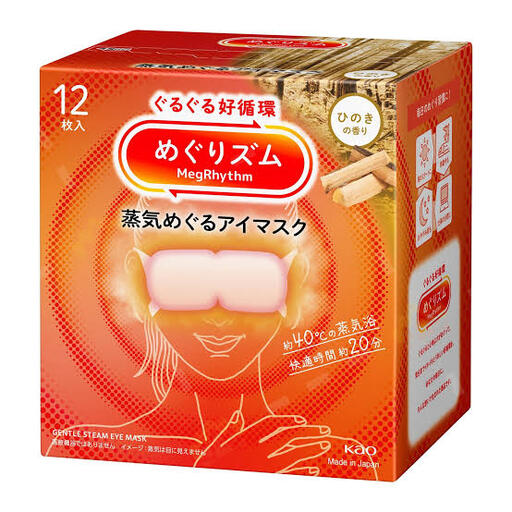
Why This Fits Their Persona: Perfect for the office worker or student experiencing digital eye strain. It's not for all-night sleep, but for a 20-minute restorative break to soothe tired eyes during a busy day or before bed. The single-use packs are hygienic and convenient for a desk drawer or travel bag.
It avoids the "function mismatch" pitfall by being a dedicated heated eye mask. Its purpose is clear: to deliver gentle, consistent steam heat (around 40°C) to relieve eye fatigue, not to block light for sleep.
Self-heating technology provides consistent warmth for up to 20 minutes. The hinoki cypress scent offers a calming, aromatic experience to reduce stress.
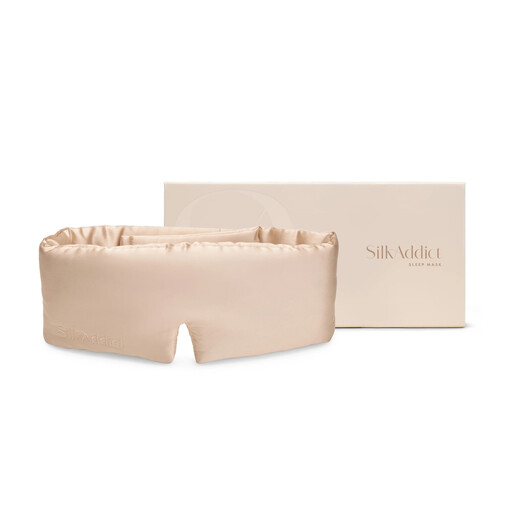
Why This Fits Their Persona: Ideal for light sleepers and those with sensitive skin who prioritise comfort and total darkness. The 100% Mulberry silk material is gentle on the skin and helps retain moisture, making it a luxurious choice for nightly use at home or while travelling.
This mask directly counters the "comfort compromise" and "blackout myth" pitfalls. Its high-grade 22 momme silk is exceptionally soft and breathable, while the simple but effective design provides excellent light blocking without complex, uncomfortable parts.
Made from 100% pure Mulberry silk, which is naturally hypoallergenic and gentle. The comfortable elasticated strap stays in place without pulling hair, ensuring uninterrupted sleep.
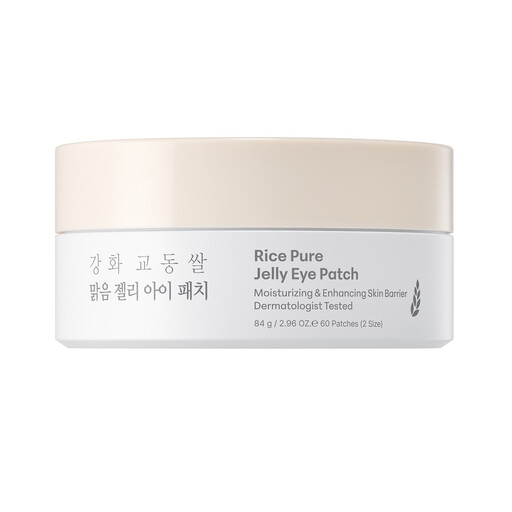
Why This Fits Their Persona: This is for the user whose primary concern is cosmetic: reducing the appearance of dark circles, puffiness and dehydration. These hydrogel patches are a targeted skincare treatment, perfect for a pampering session or to prep skin before an event.
By being a dedicated cosmetic product, it avoids the "function mismatch" trap entirely. It doesn't promise to aid sleep or block light; its sole purpose is to deliver active ingredients like rice extract and niacinamide to the under-eye area.
The hydrogel texture adheres well to the skin, locking in the serum for optimal absorption. It provides an immediate cooling and soothing effect, which helps to de-puff tired eyes.
We have compiled a complete, real-time list of products that fully satisfy these strict selection criteria and UK safety regulations.
For hygiene reasons, it's a good practice to wash your sleep mask weekly, following the manufacturer's care instructions. Most fabric masks, like those made of silk or cotton, should be replaced every 4-6 months, as the elastic can wear out and the fabric can accumulate oils and bacteria over time, potentially leading to skin irritation.
This depends entirely on the product's design. Many modern heated or weighted masks feature a removable, washable cover. It is critical to check the product details before washing. Never submerge an electronic unit or a mask with non-removable heating elements or beads in water, as this will permanently damage it and could pose a safety risk.
No, they serve completely different purposes. Under eye patches are a single-use skincare treatment designed to be worn for 15-30 minutes to deliver cosmetic ingredients to the skin. A sleep mask is a reusable tool designed to be worn for hours to block light and improve sleep quality. They can be used as part of the same overall wellness routine, but one cannot replace the other.