
24/7 Customer Support

Free returns

Same-day & Next-day Delivery

Quality Guaranteed

Unlock Your Welcome Offers: FREE Delivery | Up to 80% OFF | Free 30-day JoyPlus trial
Download the APP
By Joybuy Product Recommendation Officer
Choosing the best face cream is less about finding the most expensive jar and more about matching the formula to your skin, routine and environment. UK weather, indoor heating and frequent temperature changes can all make skin feel tight, flaky or unbalanced. Meanwhile, product pages often use broad promises that make very different creams appear interchangeable.
This guide explains the common buying traps, the ingredients and textures worth checking, and a selection of face and body creams for different needs.
A headline ingredient percentage can attract attention, but it does not describe the whole product. A cream containing niacinamide, panthenol or peach extract may still feel unsuitable if its texture is too rich, includes fragrance or does not provide enough emollient support for dry skin.
Check the full INCI ingredient list, not only the front-of-pack claim. Ingredients are generally listed in descending order of concentration, although this is not a simple measure of performance.
An anti-ageing face cream can moisturise, soften the look of dry lines and improve the feel of rough skin. However, phrases such as “reverses wrinkles” or “rebuilds collagen” should not be treated as guaranteed outcomes. Results vary according to skin type, consistency of use and the rest of your routine.
A sensible purchase starts with a clear objective: hydration, comfort, smoother-feeling skin, a brighter-looking complexion or support for a compromised moisture barrier.
A rich cream may be comfortable during a cold, dry UK winter but feel heavy on combination or blemish-prone areas. Conversely, a lightweight gel may suit an oily T-zone but leave dry cheeks uncomfortable.
Look for a texture that you are likely to use consistently. Packaging size and opening design also matter: a pump or tube can be more convenient and hygienic than a wide jar, particularly when used twice daily.
For a hydrating face cream, useful humectants include glycerin, hyaluronic acid and betaine. These help the formula attract and hold water at the skin surface.
For a moisturiser for dry skin, look for emollients and occlusive ingredients such as shea butter, squalane, plant oils, silicones or fatty alcohols. A skin barrier cream may also contain ceramides, cholesterol or phytosphingosine.
Combination skin may benefit from different textures across the face. A product designed specifically for this approach can be more practical than applying one heavy cream everywhere.
People seeking a sensitive skin moisturiser should review fragrance, essential oils, denatured alcohol and listed fragrance allergens such as limonene or linalool. “Natural” does not automatically mean irritation-free, and “dermatologically tested” is not a guarantee that every user will tolerate a formula.
Patch-test a small area first, particularly if your skin is reactive or you are introducing active ingredients. Do not apply a new cream to broken, inflamed or sunburnt skin.
A body cream is usually formulated for larger areas and may be richer or more fragranced than a facial product. A frizz control cream is designed for hair, not facial skin, and commonly contains conditioning agents or silicones intended to smooth strands.
Also check the product size and use instructions. A 50ml facial cream and a 300ml body cream serve different value calculations, even if both are described as nourishing.
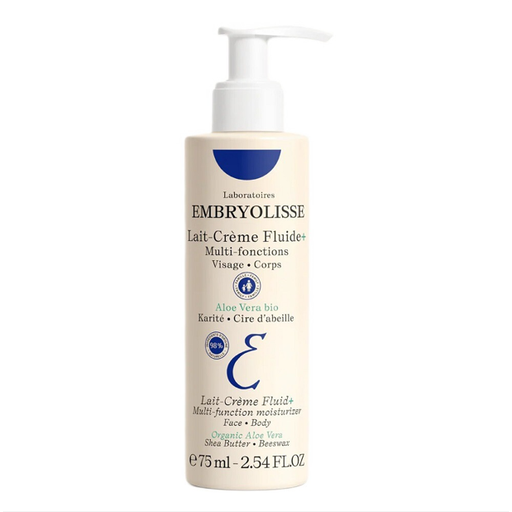
Why This Fits Their Persona: A versatile option for shoppers who want one milky-textured product for face and body, with additional uses in a simplified daily routine.
Its listed uses and 75ml size make its versatility clear, rather than positioning it solely as a specialist treatment cream.
Contains glycerin, shea butter, beeswax and aloe vera; the formula is listed as 98% natural-origin ingredients by the product description.
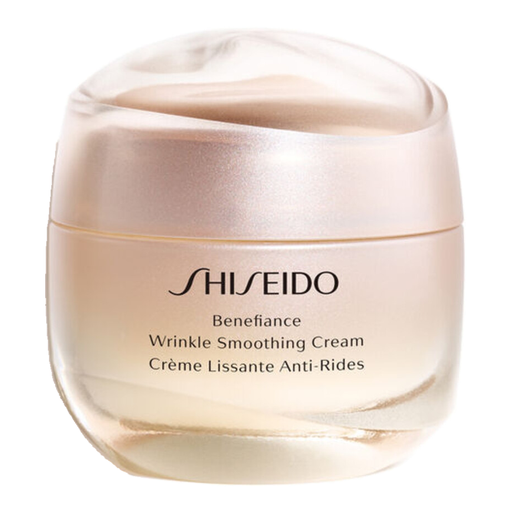
Why This Fits Their Persona: Suits shoppers looking for a refined daily cream with a silky texture and a routine focused on the appearance of fine lines.
The ingredient list is available for checking before purchase; shoppers should note that it includes alcohol denat. and fragrance.
Includes niacinamide and multiple algae extracts; designed for normal, dry and combination skin according to the product description.
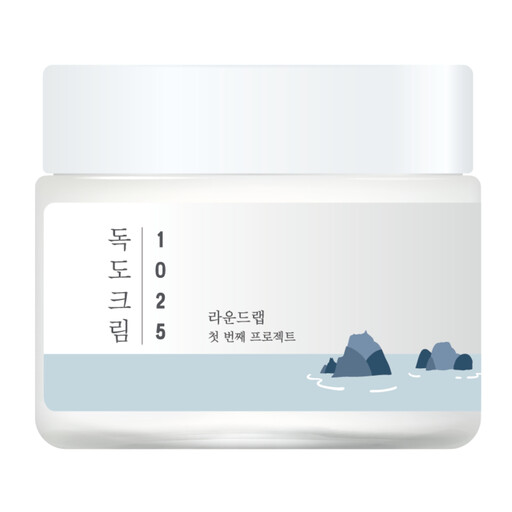
Why This Fits Their Persona: A practical Korean face cream for adults who prefer a richer, non-greasy finish during dry or dehydrating conditions.
The formula lists no artificial fragrance, parabens or alcohol, while its texture and ingredient profile remain visible for comparison.
Contains five listed ceramides, three forms of hyaluronic acid, panthenol and shea butter.
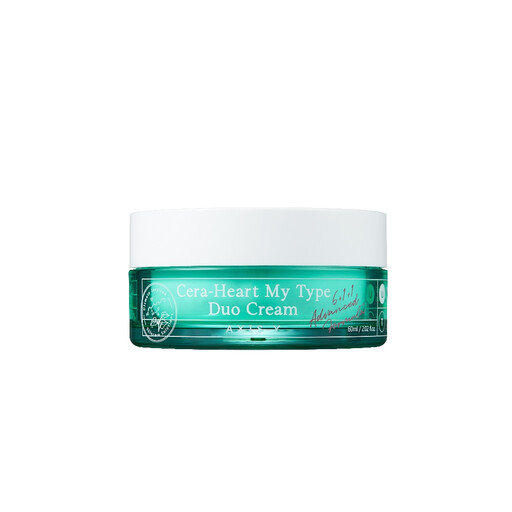
Why This Fits Their Persona: Useful for combination skin that needs lighter hydration around the T-zone and richer care on drier cheek areas.
The two-compartment format avoids forcing one texture across the whole face, helping reduce over-moisturising in oilier zones.
Includes a Heartleaf-based T-zone cream and a Ceramide NP and shea butter U-zone cream; 30ml of each formula is supplied.
For visible dullness, a brightening face cream such as Medicube Deep Vita C Capsule Cream combines niacinamide with several vitamin C derivatives and a capsule-and-gel format. Patch testing is sensible because active formulas can feel different from a basic moisturiser.
For a dedicated wrinkle cream, Clinique Smart Clinical Repair Wrinkle Correcting Cream contains peptides, sodium hyaluronate and soybean seed extract. It is listed as fragrance-free, oil-free and preservative-free, but individual tolerance can still vary.
If your priority is body care, Dove Nourishing Body Care Pampering Silky Body Cream is a 300ml option with dimethicone, sunflower seed oil and silk-related ingredients. For hair rather than skin, John Frieda Frizz Ease Weightless Wonder Crème is a leave-in frizz control cream for fine, frizz-prone hair and should not be substituted for a facial moisturiser.
We have compiled a complete, real-time list of products that fully satisfy these strict selection criteria and UK safety regulations.
There is no single suitable formula for everyone. Look for glycerin or hyaluronic acid alongside richer emollients such as shea butter, squalane or ceramides. A cream with a breathable finish may be more comfortable for daytime use, while a richer layer can suit colder weather or evening application.
Check the packaging for the open-jar symbol, which indicates the recommended period after opening, such as 6M or 12M. Store the product as directed, keep the lid closed and do not use it if its smell, colour or texture changes unexpectedly. Always prioritise the batch and shelf-life information printed on the packaging.
Usually, moisturiser is applied after cleansing and any serum, followed by sunscreen in the morning. Allowing layers to settle can make application more comfortable. Sunscreen remains a separate product and should not be replaced by a moisturiser unless the product is specifically labelled and used according to its stated sun-protection instructions.