
24/7 Customer Support

Free returns

Same-day & Next-day Delivery

Quality Guaranteed

Unlock Your Welcome Offers: FREE Delivery | Up to 80% OFF | Free 30-day JoyPlus trial
Download the APP
Finding the best face moisturiser is less about choosing the most expensive jar and more about matching the formula to your skin, routine and tolerance. A product that feels comfortable on dry cheeks may be too rich for blemish-prone skin, while a lightweight gel may not provide enough protection during a cold, windy UK winter.
Before comparing facial moisturiser options, look beyond attractive packaging and broad claims. Three common buying traps can lead to wasted money.
A cream can make skin feel soft immediately because of oils, silicones or occlusive ingredients that create a smoother surface. That sensation does not necessarily mean the formula suits your skin long term. Check whether it includes humectants, such as glycerin or hyaluronic acid, which attract water, alongside emollients and occlusives that help reduce moisture loss.
Sensitivity varies considerably. Fragrance, essential oils, denatured alcohol and some preservatives may be unsuitable for certain users, even when a product is labelled gentle. Read the full ingredient list and patch test a new moisturiser on a small area before applying it across your face.
A multi-purpose product may work as a hydrating face cream, cleanser or make-up primer moisturiser, but only if those functions fit your routine. Similarly, an anti-ageing moisturiser may contain useful ingredients such as niacinamide or peptides, but it should not replace daily sun protection. No face cream provides the same role as a dedicated broad-spectrum sunscreen.
A skin barrier repair cream commonly contains ingredients that support the skin’s outer protective layer, including ceramides, fatty acids, glycerin, panthenol and occlusive agents. These ingredients can help skin feel less tight by limiting moisture loss, although they are not treatments for diagnosed skin conditions.
Products containing soothing botanical extracts may feel comfortable, but “natural” does not automatically mean lower risk of sensitivity. Always check the complete INCI list supplied on the packaging.
Consider how the moisturiser behaves under make-up, after shaving or before bed. A rich formula may be useful overnight but can pill under foundation. A quick-absorbing lotion may suit a morning routine, while a thicker cream can be reserved for dry patches.
If you use active skincare ingredients, introduce one new product at a time. This makes it easier to identify the cause of any stinging, redness or discomfort.
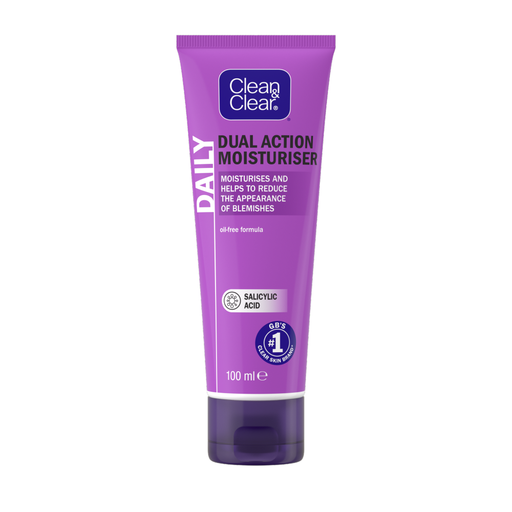
Why This Fits Their Persona: A straightforward option for shoppers wanting daily hydration alongside a blemish-focused routine.
Its oil-free and fragrance-free positioning makes the formula details easy to assess, while salicylic acid clearly signals its intended use.
100ml size; oil-free, fragrance-free formula; includes glycerin and salicylic acid.
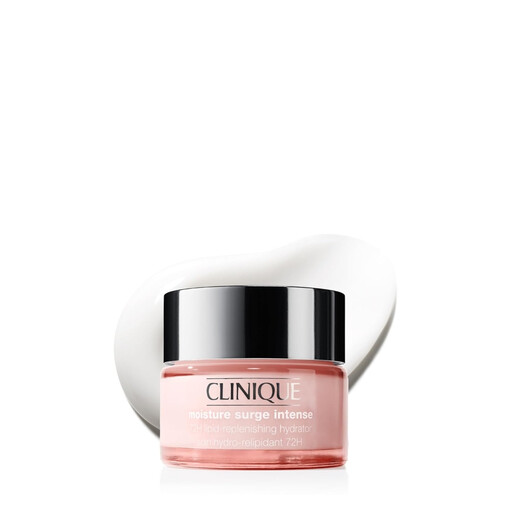
Why This Fits Their Persona: Suits shoppers prepared to pay for a richer barrier-supporting texture, particularly during dry indoor-heating periods.
The ingredient list identifies ceramides, centella extract, glycerin and panthenol rather than relying only on broad hydration language.
Fragrance-free and non-comedogenic according to the supplied product details; cream-gel texture with a lipid complex.
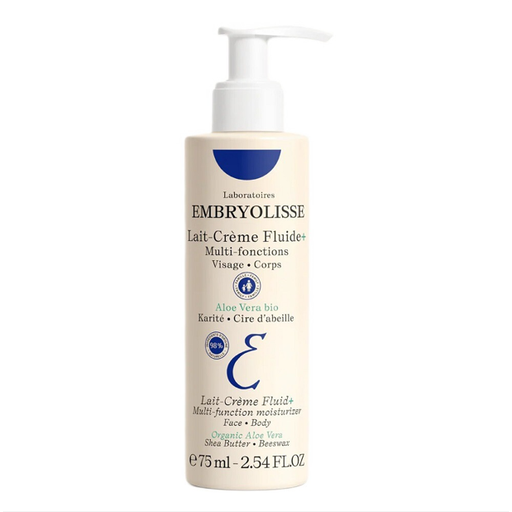
Why This Fits Their Persona: Practical for households wanting one product for face, body, cleansing, make-up preparation and after-shave care.
Its functions and directions are clearly specified, so you can judge whether the multi-use format genuinely replaces products in your routine.
Face-and-body format; includes aloe vera, shea butter and beeswax; suitable for adults and children over three.
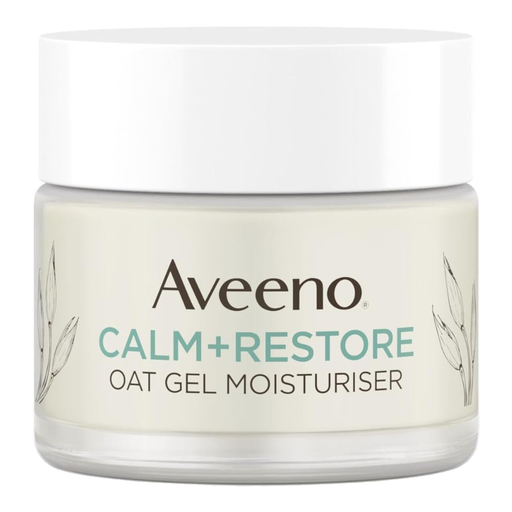
Why This Fits Their Persona: A lightweight daily facial moisturiser for sensitive, normal-to-dry skin and shoppers who dislike a greasy finish.
The supplied details specify fragrance-free and non-comedogenic properties, helping shoppers screen out two common concerns.
Contains oat ingredients and feverfew extract; fast-absorbing gel cream texture; designed for normal-to-dry sensitive skin.
For men, a face cream for men does not need a separate ingredient category. The important considerations are texture, fragrance tolerance and whether it feels comfortable after shaving. A product such as NIVEA MEN Sensitive Face Moisturiser includes chamomile, vitamin E and panthenol, and its supplied details specify an alcohol-free formula and suitability after shaving.
We have compiled a complete, real-time list of products that fully satisfy these strict selection criteria and UK safety regulations.
The usable period depends on the product’s packaging, storage and the manufacturer’s stated period-after-opening symbol or expiry information. Keep the lid closed, avoid storing it in direct sunlight and use clean hands or the supplied spatula. Check the packaging rather than assuming every jar lasts the same length of time.
Yes, provided the texture suits your foundation and you allow it to absorb. Lightweight lotions and gel creams are often easier to layer. For richer products, apply a thin amount, wait briefly and gently press away excess before make-up application.
No. Removing fragrance may reduce one potential source of irritation, but other ingredients can still cause a reaction. Review the full ingredient list, patch test first and discontinue use if discomfort occurs. For ongoing or severe skin concerns, seek advice from a qualified healthcare professional.