
24/7 Customer Support

Free returns

Same-day & Next-day Delivery

Quality Guaranteed

Unlock Your Welcome Offers: FREE Delivery | Up to 80% OFF | Free 30-day JoyPlus trial
Download the APP
Finding the right face moisturiser can feel like navigating a maze. With shelves overflowing with options and marketing claims promising miraculous results, it is easy to end up with a product that does not suit your skin or your budget. As a Joybuy Product Recommendation Officer, my role is to help you cut through the clutter and make an informed choice.
Many of us have been caught out by common purchasing pitfalls. Let's look at a few that UK shoppers frequently encounter:
To avoid these traps, focus on what your skin truly needs. By analysing a few core parameters, you can confidently select a face moisturiser that delivers results.
Your skin type is the most important factor. A quick assessment can point you in the right direction:
Understanding what key ingredients do allows you to choose a product based on evidence, not hype.
Based on these practical criteria, we have matched some standout products to different user needs. Instead of a generic list, this is about finding the right fit for you.
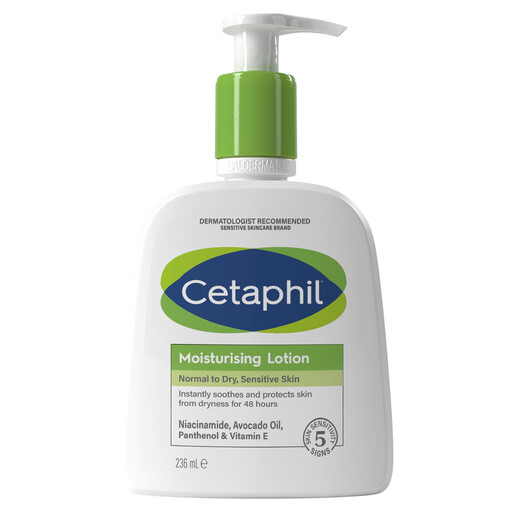
Why This Fits Their Persona: Ideal for someone who needs a reliable, gentle and effective moisturiser without any fuss. Its dermatologist-recommended heritage provides confidence for those with easily irritated or reactive skin.
It avoids the "miracle ingredient" trap by relying on a proven blend of niacinamide, panthenol and glycerin. The formula is fragrance-free and non-comedogenic, focusing on barrier support rather than marketing hype.
Lightweight, non-greasy formula that provides long-lasting hydration. According to the brand, it is clinically proven to fully restore the skin's moisture barrier in one week.
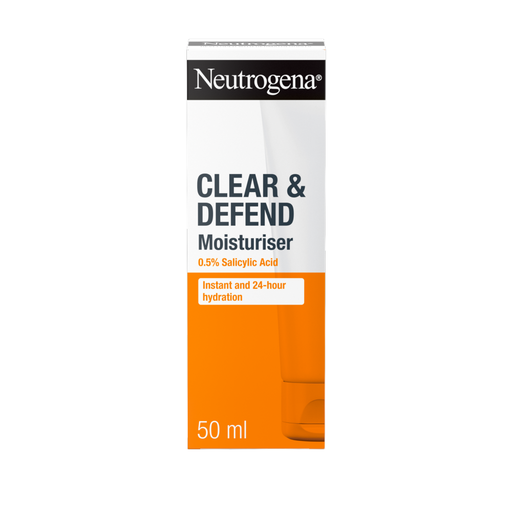
Why This Fits Their Persona: This is for the person who fears that moisturisers will make their breakouts worse. It provides necessary hydration while actively working to prevent spots, a dual-action approach perfect for managing blemish-prone skin.
It directly counters the "one-size-fits-all" myth. This is a targeted solution, not a generic cream. Its oil-free formula ensures it hydrates without contributing to congestion, a common issue with richer moisturisers.
Contains 0.5% salicylic acid to help prevent spots and is developed with dermatologists. The inclusion of aloe vera and chamomile helps to soothe skin, preventing the dryness that can sometimes accompany spot treatments.
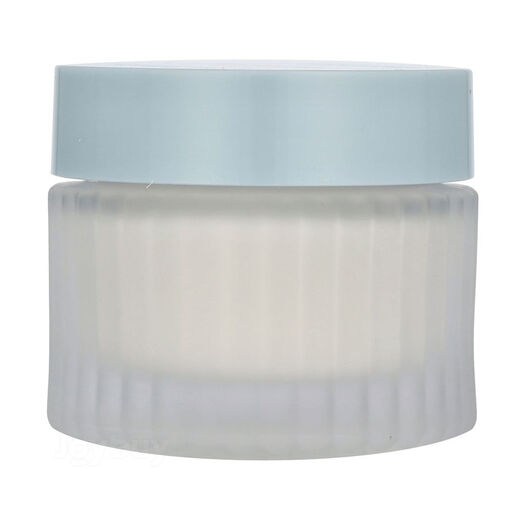
Why This Fits Their Persona: Perfect for the skincare user who loves innovative textures and ingredient-focused formulas from the world of Korean skincare. They are looking for a product that strengthens the skin barrier and provides a dewy, plump finish.
This cream avoids the trap of a poor base formula. Its rich yet lightweight buttery texture is a key feature, melting into the skin without greasiness. It proves that a nourishing cream doesn't have to feel heavy or sticky.
Features a blend of 5 types of ceramides, cholesterol and a 3-layer hyaluronic acid complex to provide comprehensive barrier support and deep hydration. It nourishes without feeling heavy, making it suitable for many skin types.
We have compiled a complete, real-time list of products that fully satisfy these strict selection criteria and UK safety regulations.
1. How can I tell if a moisturiser is truly 'non-comedogenic'? The term non-comedogenic indicates that a product has been formulated in a way that is not likely to cause pore blockages (comedones) and breakouts. You should look for this specific term on the product packaging or in the description. While it is a helpful guideline, especially for oily or acne-prone skin, individual reactions can vary.
2. Should my day and night moisturisers be different? It can be beneficial. Day creams are often a lightweight moisturiser designed to sit well under makeup and may contain SPF for sun protection. Night creams are typically richer and focused on repair and regeneration, containing higher concentrations of active ingredients that work best without sun exposure. However, if you find one moisturiser that works for you, you can often use it for both, simply adding a separate, dedicated sunscreen in the morning.
3. How much moisturiser should I actually be using? A common mistake is using too much product, which can lead to a greasy feeling and wasted money. For most face moisturisers, a pea-sized to a 10-pence piece-sized amount is sufficient to cover the face and neck. Gently massage it into the skin until it is absorbed. If your skin still feels tight, you can apply a little more, but start small.