
24/7 Customer Support

Free returns

Same-day & Next-day Delivery

Quality Guaranteed

Unlock Your Welcome Offers: FREE Delivery | Up to 80% OFF | Free 30-day JoyPlus trial
Download the APP
Finding the best face moisturiser is less about choosing the most expensive jar and more about matching the formula to your skin, routine and climate. UK weather, central heating and frequent cleansing can leave skin feeling tight, flaky or easily irritated, while a rich cream may feel uncomfortable on an oily T-zone.
Marketing language can also make comparison difficult. Here are the main traps to avoid before buying.
A cream may contain collagen, vitamin C, peptides or botanical extracts, but that does not automatically make it suitable for your skin. The complete formula matters, including the texture, fragrance, preservatives and potentially irritating ingredients.
For example, a collagen face cream can improve the feeling of hydration and softness, while a retinol night cream is designed for a more targeted routine and may require gradual introduction. These products should not be treated as interchangeable.
A thick cream can be useful for dry skin, but may feel heavy on combination or oily skin. Conversely, a lightweight gel may be pleasant during the day but insufficient for very dry skin, especially in heated indoor environments.
Consider whether you need a daily hydrating face cream, a richer night moisturiser, or a targeted barrier repair cream for periods of dryness and sensitivity.
Fragrance-free products can be a sensible starting point for reactive skin, but sensitivity varies from person to person. Essential oils, fragrance allergens, alcohol and active ingredients may not be comfortable for everyone. Always check the current packaging and ingredient list, and patch test if you are prone to reactions.
A balanced moisturiser normally combines several types of conditioning ingredients:
For moisturiser for dry skin, look for a richer combination of these categories. If you have combination skin, apply a thinner layer to the T-zone and more to drier areas.
Ceramides, cholesterol, phytosphingosine, panthenol and niacinamide are commonly selected for routines focused on the skin barrier. A ceramide moisturiser may be useful when skin feels tight, rough or uncomfortable after cleansing.
Niacinamide can support a range of routines, including those focused on hydration, uneven tone and excess oil. However, a niacinamide moisturiser should still be assessed by its full formula rather than by concentration alone.
If your priority is a sensitive skin moisturiser, compare fragrance and essential-oil content carefully. Products containing retinoids, exfoliating acids or brightening ingredients may be better suited to evening use and should be introduced gradually.
Any product containing retinol should be used according to its directions, with daily sun protection recommended the following morning. Cosmetics are not a substitute for medical treatment; persistent irritation or skin concerns should be discussed with a qualified healthcare professional.
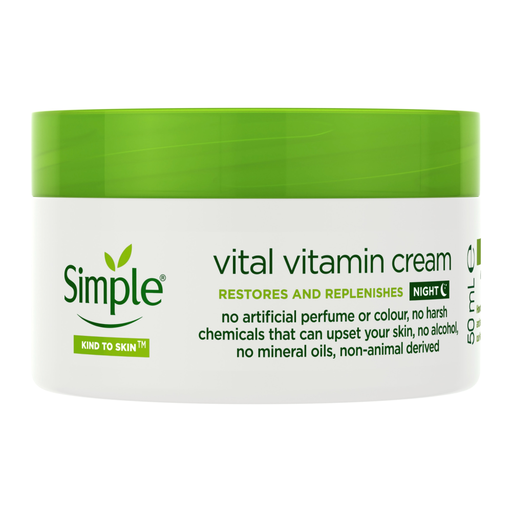
Why This Fits Their Persona: A straightforward option for shoppers starting an evening routine, including those who prefer a lightweight cream without artificial perfume, colour, alcohol or mineral oils.
It avoids an overloaded active-ingredient approach and focuses on overnight moisturising and comfort.
Contains panthenol, vitamin E, vitamin F, allantoin and bisabolol in a non-greasy night cream format.
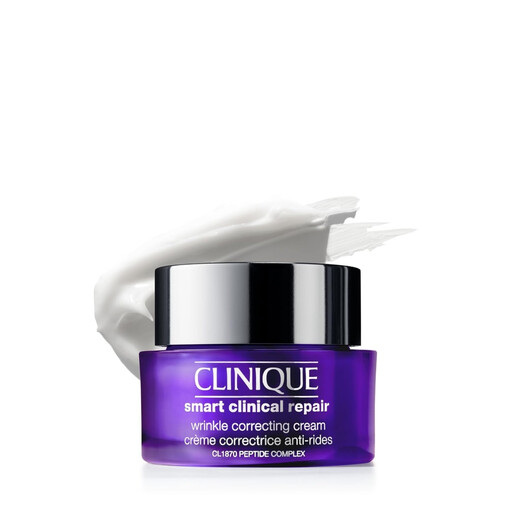
Why This Fits Their Persona: Suitable for shoppers seeking a fragrance-free moisturiser with peptides and hyaluronic acid for a mature-skin routine.
The formula does not rely on retinol, making it an alternative for users who prefer a peptide-based routine.
Lists sodium hyaluronate, acetyl hexapeptide-8 and multiple peptides; intended for face and neck use.
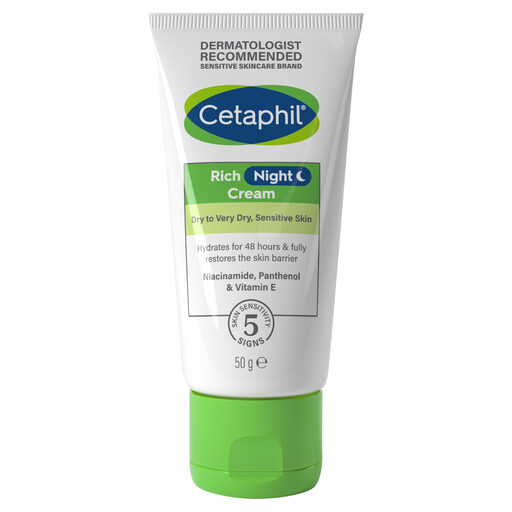
Why This Fits Their Persona: Designed for dry to very dry sensitive facial skin, making it practical for colder weather, overnight use and persistent tightness.
Its fragrance-free positioning and rich texture make it easier to compare with heavily perfumed creams marketed mainly around sensory appeal.
Contains glycerin, petrolatum, panthenol, niacinamide, vitamin E and sweet almond oil; listed as non-comedogenic.
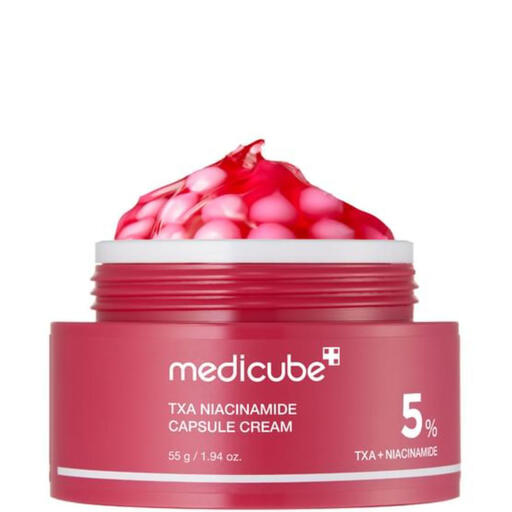
Why This Fits Their Persona: Suits shoppers who want hydration alongside a routine focused on dullness and uneven-looking tone.
The product lists its key actives clearly, allowing shoppers to compare a brightening moisturiser with a basic barrier cream.
Contains tranexamic acid, 5% niacinamide, ceramide NP and several forms of hyaluronic acid; gel-to-capsule ratio can be adjusted.
We have compiled a complete, real-time list of products that fully satisfy these strict selection criteria and UK safety regulations.
Apply moisturiser after cleansing and any lighter serum. Start with a small, even amount rather than layering too much. In the morning, finish with broad-spectrum sunscreen, particularly when using retinoid or exfoliating products.
For a richer night moisturiser, apply extra product only to dry areas. Keep the jar closed, store it away from heat and sunlight, and check the packaging for shelf-life and batch information.
Look for humectants such as glycerin or hyaluronic acid combined with emollients and occlusives. Richer formulas containing panthenol, petrolatum, squalane, shea butter or ceramides may feel more comfortable than lightweight gels.
Usually, yes, if the product directions allow it and the texture suits you. A night cream does not generally replace sunscreen, so apply a separate SPF in the morning. Products containing retinol should be reserved for evening use unless the label states otherwise.
This depends on the formula, packaging and how often it is used. Follow the period-after-opening symbol and storage instructions on the container. If the smell, colour or texture changes, stop using it even if there is product remaining.