
24/7 Customer Support

Free returns

Same-day & Next-day Delivery

Quality Guaranteed

Unlock Your Welcome Offers: FREE Delivery | Up to 80% OFF | Free 30-day JoyPlus trial
Download the APP
Navigating the world of skincare can feel like a full-time job. The shelves, both physical and digital, are crowded with countless bottles all promising remarkable results. A quality face serum can be a transformative addition to your routine, delivering a concentrated dose of active ingredients to target specific concerns. However, with so much marketing noise, it's easy to make a purchase you later regret.
As the Joybuy Product Recommendation Officer, my role is to help you see past the hype. Before you invest in another facial essence or serum, let's look at the common pitfalls that lead to disappointment and wasted money.
To ensure you're choosing a product that delivers on its promises, focus on these key technical aspects rather than just the marketing claims.
A well-formulated serum is like a balanced recipe; the ingredients must work together. Instead of looking for just one active, check for complementary components.
The form and concentration of the active ingredient are crucial.
The "vehicle" that delivers the active ingredients determines how the serum feels and performs on your skin. A lightweight, watery facial essence is ideal for oily or combination skin types and layers well under other products. A richer, milky or gel-like serum may be more suitable for dry or mature skin that requires more nourishment and surface hydration.
Based on these practical criteria, we've matched some standout serums to different user needs. This isn't about finding one "perfect" product, but about finding the right fit for you.
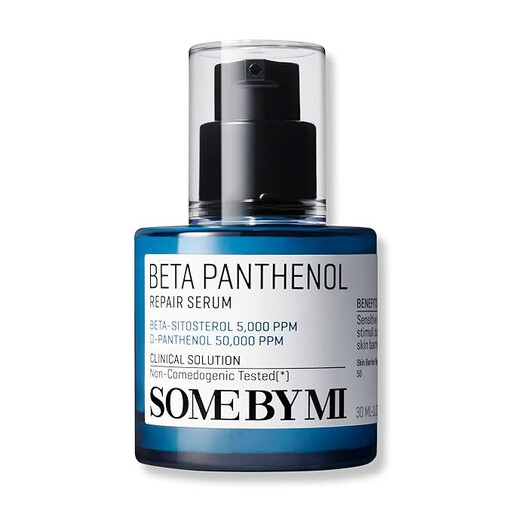
Why This Fits Their Persona: If your skin feels tight, red or reactive, this skin repair serum is designed for you. It's perfect for UK residents whose skin suffers from changing weather or irritation from using other active products like exfoliants.
It avoids the "wrong texture" pitfall with a lightweight, milky fluid that absorbs quickly without stickiness, making it comfortable for sensitive skin that dislikes heavy products.
Its formula combines Panthenol, ceramides and multiple hyaluronic acids to both soothe irritation and provide deep, lasting hydration, focusing on barrier health.
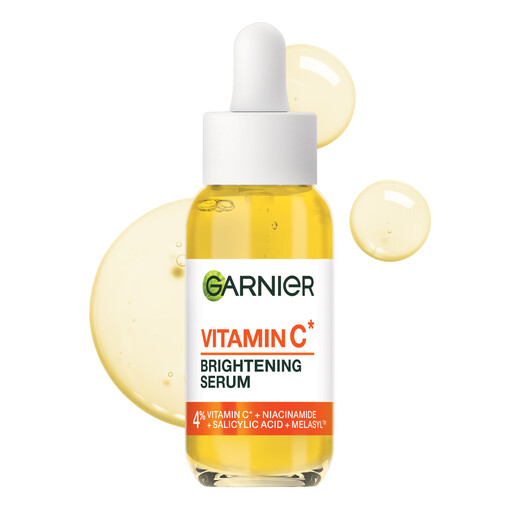
Why This Fits Their Persona: For those wanting to address dullness or a serum for dark spots without a hefty price tag, this is an accessible starting point. It's a straightforward, multi-action formula for daily use.
This serum sidesteps the "miracle ingredient" myth by combining a Vitamin C derivative with Niacinamide and Salicylic Acid, offering a synergistic approach to brightening and texture refinement.
The formula is lightweight, non-greasy and absorbs quickly, making it easy to incorporate into any existing routine. It is also dermatologically tested and suitable for sensitive skin.
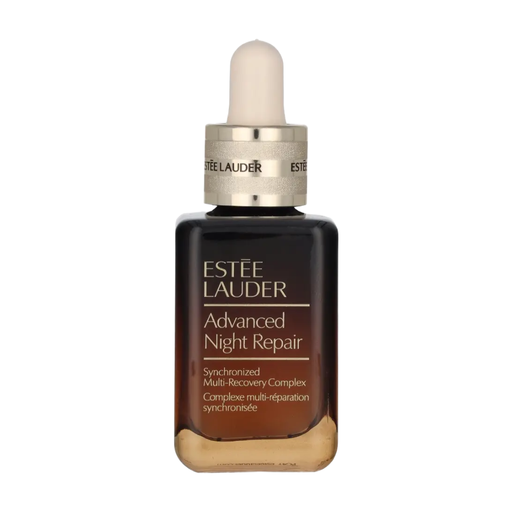
Why This Fits Their Persona: For those seeking a premium night serum to address multiple signs of ageing, this is a well-regarded option. It's designed as a comprehensive serum for wrinkles, firmness and radiance.
It avoids the high-percentage fallacy by focusing on its exclusive Tripeptide-32 and Chronolux Power Signal Technology, prioritising sophisticated formulation over a single high-concentration active.
This serum provides long-lasting 72-hour hydration with Hyaluronic Acid while also offering antioxidant protection during the day, making it a multi-functional investment for skin health.
We have compiled a complete, real-time list of products that fully satisfy these strict selection criteria and UK safety regulations.
This depends on the serum's purpose and ingredients. A hydrating serum can provide an immediate plumping effect as it draws moisture into the skin. However, for concerns like hyperpigmentation or wrinkles, consistency is key. You may need to use a serum for dark spots or an anti-ageing serum for at least 4-8 weeks before noticing visible improvements in tone and texture.
Yes, you can layer serums to address multiple concerns. The general rule is to apply them from the thinnest to the thickest consistency. For example, apply a watery hyaluronic acid serum before a slightly thicker niacinamide serum. Be cautious about layering multiple potent actives in the same routine, such as a retinoid and an AHA/BHA serum, as this can increase the risk of irritation. It's often better to use them on alternate nights.
Absolutely. A serum is designed to deliver concentrated active ingredients deep into the skin. A moisturiser's primary job is to form a protective barrier on the skin's surface. Applying a moisturiser after your serum helps to lock in all the beneficial ingredients and moisture, preventing them from evaporating and protecting your skin from external elements. They perform two different but equally important jobs in a complete skincare routine.