
24/7 Customer Support

Free returns

Same-day & Next-day Delivery

Quality Guaranteed

Unlock Your Welcome Offers: FREE Delivery | Up to 80% OFF | Free 30-day JoyPlus trial
Download the APP
By the Joybuy Product Recommendation Officer
Finding the best face serums for your skin is less about choosing the most expensive bottle and more about matching ingredients, texture and usage instructions to your routine. A serum may target hydration, dullness, uneven tone, visible lines or blemish-prone skin, but the wrong formula can leave you with irritation, pilling or an unopened bottle at the back of the cupboard.
This guide filters out common marketing distractions and compares practical options for UK skincare shoppers.
A larger number on the label does not automatically mean a more suitable formula. Strong acids, vitamin C derivatives or exfoliating ingredients may feel uncomfortable on sensitive skin, particularly when combined with retinoids or other active products.
Look at the full ingredient list, not just the headline percentage. Supporting ingredients such as glycerin, panthenol, hyaluronic acid or centella may be important for comfort and moisture retention.
A topical collagen serum can help skin feel moisturised and look temporarily plumper by forming a conditioning film. It should not be treated as an equivalent to a clinical procedure or as a guarantee of increased collagen production. Ingredient names, texture and expected cosmetic effects need to be assessed realistically.
Fragrance, denatured alcohol and essential oils are not automatically unsuitable, but they may be considerations for reactive or sensitive skin. Similarly, an acne serum containing AHA, BHA or PHA should not be layered casually with several other exfoliating products.
Always follow the product directions and stop use if persistent redness, itching, swelling or discomfort develops.
Watery serums suit shoppers who dislike a heavy finish, while milky or gel textures may feel more cushioning on dry skin. Silicone-based formulas can sit smoothly under make-up, but applying too many layers may cause pilling.
For most routines, apply serum after cleansing and toner, then follow with moisturiser. In the morning, sunscreen should be the final skincare step.
Check whether the formula requires shaking, refrigeration or protection from direct sunlight. A two-phase serum must be mixed properly before application. Vitamin C products should be stored according to the packaging instructions, as heat and light can affect formula stability.
For new products, perform a patch test first. Avoid applying serum to broken or irritated skin, and keep products away from the eyes unless specifically designed for that area.
The following selections suit different routines and priorities. They are based on listed ingredients, format, directions and product information rather than unsupported performance promises.
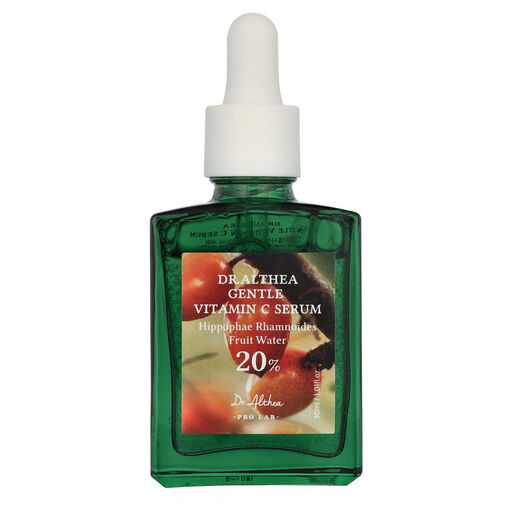
Why This Fits Their Persona: A straightforward starting point for shoppers wanting a vitamin C serum for dullness and uneven skin tone without a complicated routine.
The formula uses 3-O-Ethyl Ascorbic Acid, 5% niacinamide and a short ingredient list of under 20 listed ingredients, making the active profile easy to understand.
Watery, fast-absorbing texture; includes glycerin, allantoin and sodium hyaluronate for moisture support.
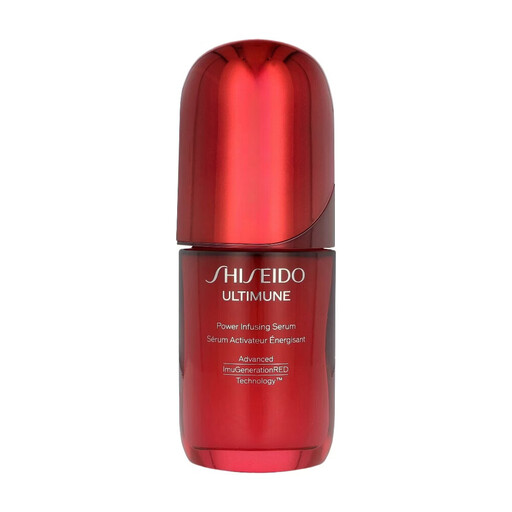
Why This Fits Their Persona: Suitable for shoppers seeking a larger, daily-use anti-ageing serum with a rich yet lightweight finish.
Its listed ingredients and warnings are available for checking, including fragrance, alcohol and fragrance allergens that sensitive-skin shoppers may wish to consider.
50ml size; contains glycerin, ectoin, dimethicone and camellia ingredients for conditioning and moisture support.
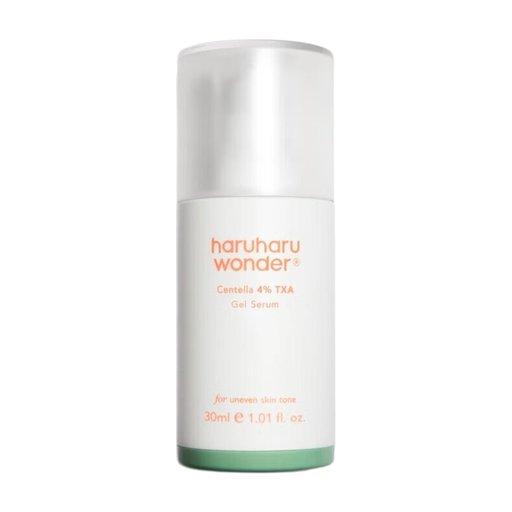
Why This Fits Their Persona: A targeted option for those comparing a serum for uneven skin tone with a lightweight Korean skincare texture.
The formula clearly lists 4% tranexamic acid and 4% niacinamide, rather than relying only on vague brightening language.
Includes centella compounds; fragrance-free listing and airless pump format may help with convenient daily dispensing.
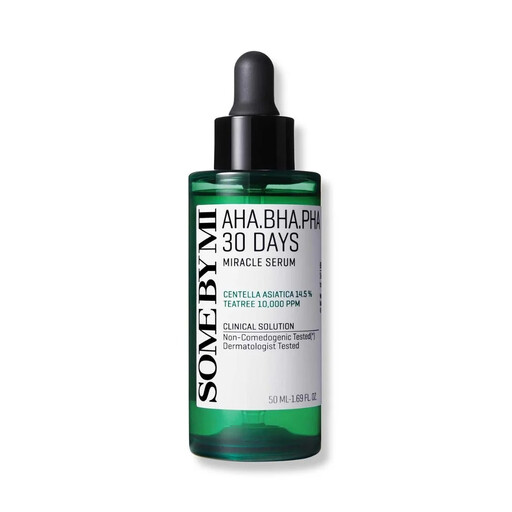
Why This Fits Their Persona: Designed for experienced users who want an exfoliating serum alongside a carefully controlled routine.
The product identifies AHA, BHA and PHA and instructs users to shake the two-phase bottle, helping prevent incorrect application.
Contains centella, tea tree leaf water and niacinamide; 50ml format with a pH 5.5 specification.
We have compiled a complete, real-time list of products that fully satisfy these strict selection criteria and UK safety regulations.
Start with one new active product rather than changing your entire routine at once. Use two or three drops, unless the packaging specifies otherwise, and allow it to absorb before applying moisturiser.
For an anti-ageing serum, peptide serum or hydrating face serum, daily use may be convenient. For acids or retinoid-containing products, begin less frequently and avoid combining several potentially irritating actives on the same evening.
A peptide eye serum should be applied carefully around the orbital area, avoiding direct contact with the eyes. Keep bottles closed, store them as directed and check the packaging for batch, shelf-life and storage information.
Cleanse first, then apply toner if used, followed by serum and moisturiser. In the morning, finish with sunscreen. If using more than one serum, apply the thinnest water-based formula first and avoid layering incompatible exfoliating or retinoid products.
The usable period varies by formula and packaging. Check the open-jar symbol, expiry information and storage instructions on the product. Changes in colour, smell or texture can indicate that a product should no longer be used, particularly with vitamin C formulas.
Some hydrating and barrier-supporting serums are designed for morning and evening use. Acid exfoliants, retinoids and highly active brightening formulas may require a slower introduction. Follow the individual directions, use sunscreen during the day and discontinue use if irritation occurs.