
24/7 全天候客户支持

免费退货

当日/次日达

品质保障

开启新人专享福利: 全场免邮 | 低至 2 折 | 免费试用 30 天 JoyPlus 会员
下载 Joybuy
Dullness, post-blemish marks, visible pores and dehydration often appear together, making it tempting to buy a serum promising to solve every concern at once. However, the best face serums for brightening and blemish-prone skin are not necessarily the strongest or most heavily marketed. The right choice depends on the active ingredients, texture, supporting formula and how well it fits your routine.
A brightening serum may list a high concentration of niacinamide, vitamin C or exfoliating acids. That figure is useful, but it does not show whether the entire formula suits your skin. Higher-strength products can feel uncomfortable if your barrier is already dry, sensitised or over-exfoliated.
Look at the full ingredient list, not only the headline active. Panthenol, glycerine, hyaluronic acid, beta-glucan and ceramides can help provide a more comfortable hydrating step around active ingredients.
A dark spot serum or hyperpigmentation serum cannot replace sunscreen. UV exposure can make uneven tone more noticeable and may undermine a brightening routine. Apply a broad-spectrum sunscreen every morning, particularly when using vitamin C or an exfoliating serum.
Gel, watery and ampoule textures can feel light, but applying several brightening products together may increase the chance of dryness or irritation. A serum should complement your cleanser, moisturiser and sunscreen rather than make the routine unnecessarily complicated.
For oily or blemish-prone skin, consider a lightweight, non-greasy texture and check whether the product is labelled non-comedogenic. This does not guarantee that every user will react identically, so a patch test remains sensible.
If your skin feels tight, flaky or easily irritated, prioritise a sensitive skin serum, hydrating serum or skin barrier repair serum. Ingredients such as panthenol, allantoin, hyaluronic acid, centella and ceramides can make the routine feel more supportive.
Vitamin C derivatives and botanical ingredients can be affected by light, heat and air. Store products according to the packaging instructions and check the batch, shelf-life and ingredient information when the item arrives.
Use two to three drops or the amount stated by the manufacturer. Apply after cleansing and toning, then follow with moisturiser. Introduce one new active product at a time so that any reaction is easier to identify.
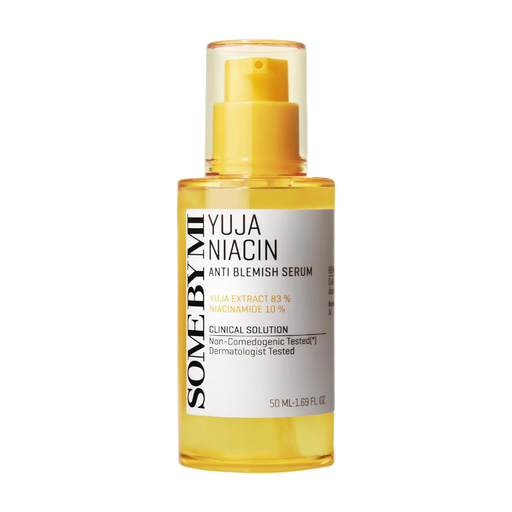
Why This Fits Their Persona: A practical starting point for shoppers wanting one lightweight Korean face serum to address dullness, post-blemish marks and an oily-feeling complexion.
Its listed formula combines 10% niacinamide with a light gel texture, helping beginners avoid buying a heavy-feeling product for blemish-prone skin.
50ml size; includes yuja extract, niacinamide, vitamin derivatives and panthenol.
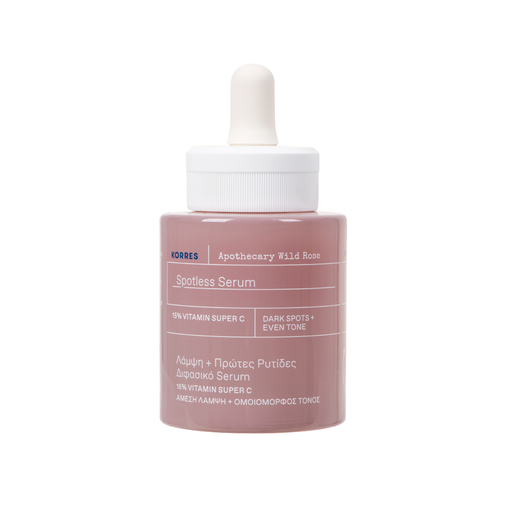
Why This Fits Their Persona: A considered option for shoppers who prefer a bi-phase brightening treatment with an oil layer and a more nourishing finish.
The two-phase design is clearly used as directed: shake before application rather than assuming a separated bottle indicates a fault.
Contains ascorbyl tetraisopalmitate, wild rose oil and squalane; listed as vegan-friendly and non-comedogenic.
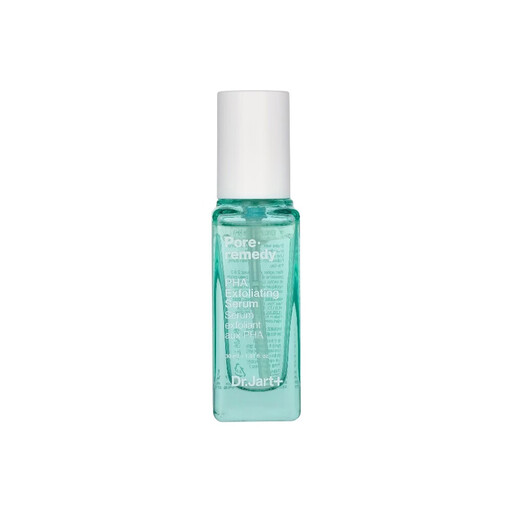
Why This Fits Their Persona: Designed for shoppers focused on rough texture, visible pores and excess oil who want an exfoliating serum in a water-like format.
The product identifies PHA as its exfoliating active, so users can plan frequency instead of unknowingly layering several acids.
Lists 7% gluconolactone and panthenol; includes usage guidance to apply sunscreen during daytime use.
We have compiled a complete, real-time list of products that fully satisfy these strict selection criteria and UK safety regulations.
Patch test a new product before applying it across your face, especially if it contains vitamin C, salicylic acid, AHA, BHA or PHA. Begin with one active serum rather than several at once. If your skin becomes persistently red, itchy, swollen or uncomfortable, stop using the product and seek appropriate medical advice.
For a simple routine, use cleanser, serum, moisturiser and sunscreen in the morning. In the evening, use cleanser, serum and moisturiser. Keep exfoliating products to a manageable frequency and avoid applying them to broken or irritated skin.
Look for a formula that combines a brightening active, such as niacinamide or a vitamin C derivative, with a comfortable texture and hydrating support. If congestion is your main concern, a salicylic acid or PHA serum may be more relevant, but introduce it gradually.
Some gentle formulas are designed for daily use, while exfoliating serums may be better introduced less frequently. Follow the product instructions, use sunscreen each morning and avoid adding several new actives simultaneously.
The usable period varies by product, packaging and ingredients. Check the printed packaging, batch information and any open-jar symbol. Store the serum away from direct sunlight and heat, and replace it if the colour, smell or texture changes noticeably.