
24/7 Customer Support

Free returns

Same-day & Next-day Delivery

Quality Guaranteed

Unlock Your Welcome Offers: FREE Delivery | Up to 80% OFF | Free 30-day JoyPlus trial
Download the APP
Choosing a daily face sunscreen can feel like a chore. We're often promised lightweight, invisible protection, only to be left with a greasy film, a chalky white cast or clogged pores. Many of us have a drawer full of half-used tubes that didn't live up to their claims. The truth is, the marketing can be misleading, and finding a formula you'll genuinely want to wear every day is the real challenge.
As a Joybuy Product Recommendation Officer, my role is to help you navigate past the hype. Before you spend another pound, let's look at the common pitfalls that lead to buyer's remorse and what really matters when selecting your daily sun defence.
To avoid these traps, focus on a few key parameters. Understanding these will empower you to choose a face sunscreen that fits your skin's needs and your lifestyle.
This is the non-negotiable foundation of any good sunscreen.
A product that offers both high SPF and a high PA rating is termed "broad-spectrum" and is essential for comprehensive protection.
This is what determines if you will actually use the product every day. Modern formulations have come a long way, particularly with the influence of Korean sunscreen technology.
Your skin's specific needs should guide your choice.
Instead of a generic list, we've matched specific products to the people they're most suited for, helping you find a formula that solves a real problem.
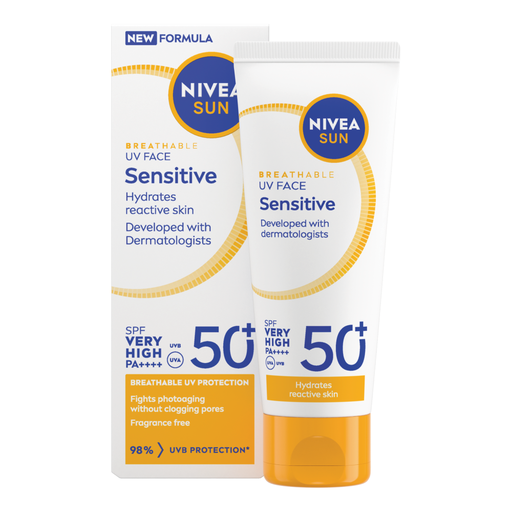
Why This Fits Their Persona: This user needs a reliable, comfortable sunscreen that won't cause irritation or breakouts during a busy day. It must sit well under makeup and not feel heavy on the skin after a long commute.
It directly counters the "greasy and pore-clogging" pitfall. The formula is non-comedogenic and developed for sensitive skin, providing a comfortable, breathable finish that won't cause issues with daily wear.
High SPF50+ and PA++++ protection. The formula is specifically designed to hydrate and soothe reactive skin, helping to prevent sun-induced irritation.
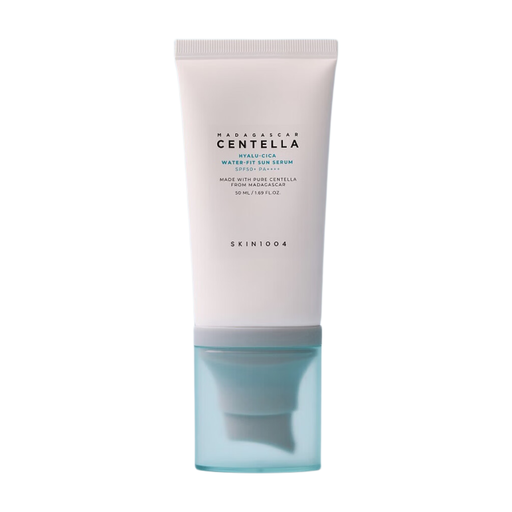
Why This Fits Their Persona: This user values skincare as much as sun protection. They seek a cosmetically elegant, hydrating formula that provides a dewy, "glass skin" glow without any stickiness or white cast, fitting perfectly into a multi-step routine.
It is the complete opposite of the "white cast" and "heavy finish" pitfalls. Its serum-like texture melts into the skin, leaving an invisible, hydrated finish that is ideal for all skin tones.
The unique Hyalu-Cica formula combines hyaluronic acid and Centella Asiatica to deeply hydrate and soothe the skin. It functions as a serum, moisturiser and sunscreen in one for a streamlined routine.
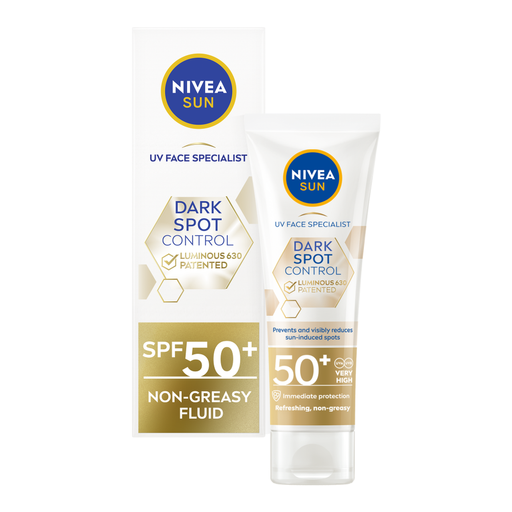
Why This Fits Their Persona: This person is looking for more than just prevention. They want a sunscreen that actively works to correct existing sun-induced damage, such as dark spots and uneven tone, making it a proactive part of their skincare regimen.
It avoids the trap of being "just another sunscreen" by offering a targeted treatment benefit. Its lightweight fluid texture also sidesteps the greasy finish pitfall, encouraging consistent use needed to see results.
Contains NIVEA's patented Luminous630 ingredient, which works to visibly reduce the appearance of sun-induced spots. It combines high-level protection with corrective skincare.
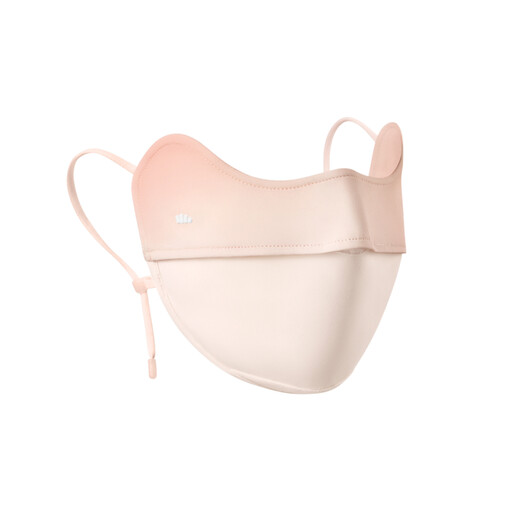
Why This Fits Their Persona: Ideal for gardeners, hikers or anyone spending extended time outdoors. This user needs guaranteed, long-lasting protection that won't sweat off or require constant reapplication to sensitive areas like the nose and cheeks.
It completely bypasses all common sunscreen pitfalls—no grease, no white cast and no need to reapply. It provides a physical, reliable barrier that offers peace of mind during prolonged sun exposure.
A certified UPF 50+ rating means the fabric itself provides consistent, high-level UV protection. The ergonomic design includes enhanced coverage for the delicate skin around the eyes.
We have compiled a complete, real-time list of products that fully satisfy these strict selection criteria and UK safety regulations.
A common guideline is the "two-finger rule." Squeeze a line of sunscreen onto your index and middle fingers from base to tip. This amount is generally sufficient for your face and neck to achieve the level of protection stated on the bottle. Under-applying significantly reduces the SPF.
While you can, it's not always ideal. Sunscreens formulated specifically for the face are often lighter, less greasy and non-comedogenic (less likely to clog pores). If you have sensitive, acne-prone or oily skin, using a dedicated face sunscreen can help prevent breakouts and provide a more comfortable feel for daily wear.
These terms indicate that the sunscreen is formulated without certain chemical filters, primarily Oxybenzone and Octinoxate, which have been suggested by some studies to contribute to coral bleaching. While UK regulations differ from those in places like Hawaii, choosing a reef-safe formula is a personal choice for those concerned about potential environmental impact.