
24/7 Customer Support

Free returns

Same-day & Next-day Delivery

Quality Guaranteed

Unlock Your Welcome Offers: FREE Delivery | Up to 80% OFF | Free 30-day JoyPlus trial
Download the APP
Navigating the world of baby products can feel overwhelming, especially when it comes to choosing a first infant milk formula. With so many options on the shelves, it's natural to want clear, straightforward information to help you make a confident choice for your newborn. This guide is designed to cut through the clutter, offering practical advice and highlighting some carefully selected options to support you on your feeding journey.
As a Joybuy Product Recommendation Officer, my role is to help you understand the key features of different products so you can find what's right for your family's needs.
A quick but important note: Health authorities agree that breastfeeding provides the best nutrition for babies. A breast milk substitute like stage 1 baby formula should only be used on the advice of a doctor, midwife, health visitor or other qualified professional responsible for maternal and child care.
All infant formulas sold in the UK must meet strict legal requirements for nutritional composition. However, there are still differences between them. Here are a few key points to consider.
When you see "Stage 1" or "infant formula from birth," it means the product is a nutritionally complete infant milk. This type of formula is suitable as the sole source of nutrition for babies from birth up to 12 months old. It is whey-dominant, which is believed to be easier for young babies to digest, mirroring the protein composition of early breast milk. You do not need to move on to other stages of formula unless advised by a healthcare professional.
By law, all infant formulas must contain specific nutrients, including DHA (Docosahexaenoic acid), an omega-3 fatty acid that supports normal visual development. Beyond the mandatory ingredients, brands differentiate themselves through their unique blends. Some use prebiotics like GOS/FOS, while others focus on the source of their milk fats, such as using whole milk instead of skimmed milk and avoiding palm oil. Always check the ingredients list for potential allergens like milk, soy or fish.
If you are planning on baby formula for combination feeding, any Stage 1 formula is suitable. The goal is to provide consistent nutrition when a breast milk feed is not possible. Some parents prefer to stick to one brand to maintain consistency for their baby's digestive system. The packaging, such as scoop design and secure lids, can also make the preparation process smoother, which is a helpful factor when juggling different feeding methods.
Here are a few first infant milk formulas that are popular with parents for their quality and specific features.
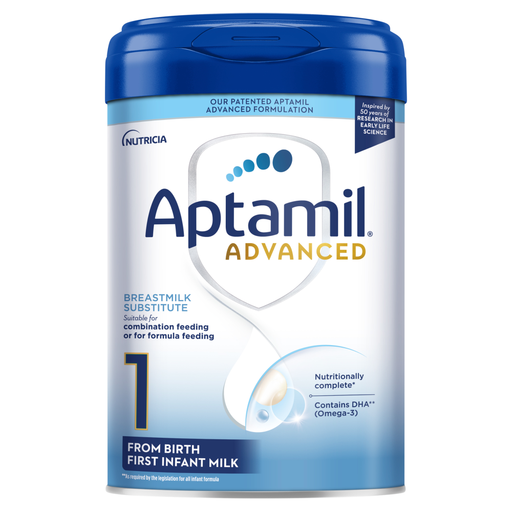
Why It Stands Out: This is described by the manufacturer as their "most advanced formulation." It is a nutritionally complete formula developed based on their extensive research into early life science, making it a premium choice for parents from day one.
Pros:
Who is it for? Parents looking for a premium newborn baby formula backed by a brand with a long history of breast milk research.
View Product Details on Joybuy.co.uk
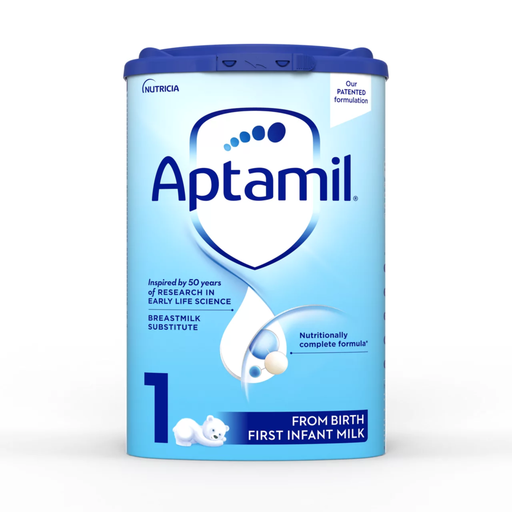
Why It Stands Out: This is the brand's standard stage 1 baby formula, offering a trusted and scientifically developed option. It provides all the necessary nutrients for a baby's first year and is a reliable choice for both sole and combination feeding.
Pros:
Who is it for? Parents seeking a widely trusted and reliable breast milk substitute that meets all nutritional standards for newborns.
View Product Details on Joybuy.co.uk
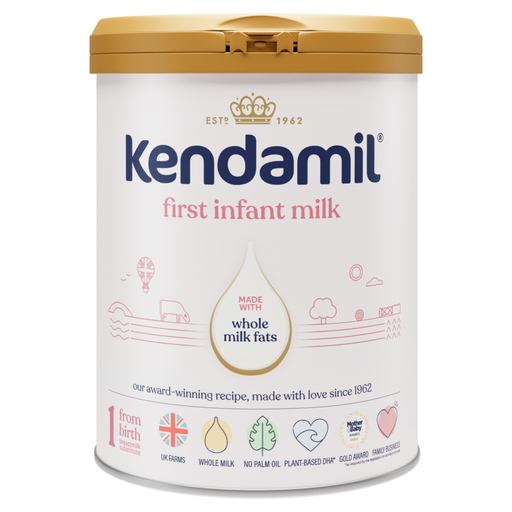
Why It Stands Out: Kendamil stands apart with its use of whole milk as a source of fat, avoiding palm oil and fish oil. Its DHA is plant-based (from algae), making the formula certified vegetarian. The milk is sourced from UK farms, appealing to those who prioritise local and sustainable ingredients.
Pros:
Who is it for? Parents who prioritise vegetarian-friendly ingredients, the exclusion of palm oil and a formula made with whole milk from UK farms.
View Product Details on Joybuy.co.uk
The products highlighted here are excellent starting points, but every baby is unique. If you're looking for different formulations, organic options or formulas for specific dietary needs, there are many other choices available.
Explore our full range of baby products to find the perfect fit for your family.
Stage 1 (first infant milk formula) is designed to be a baby's sole source of nutrition from birth to 12 months. Stage 2 (follow-on formula) is only suitable for babies from 6 months onwards and is designed to complement a weaning diet. It has a different nutritional profile, typically with more iron. There is no need to switch to Stage 2 formula; you can continue with Stage 1 for the entire first year.
Yes, all Stage 1 formulas sold in the UK are nutritionally complete and meet the same strict standards. You can switch between brands if you wish. However, some babies may experience a brief period of adjustment due to slight differences in taste or composition, so it's often recommended to switch gradually if possible.
Always follow the manufacturer's instructions on the packaging precisely. Use boiled water that has been left to cool for no more than 30 minutes (to a temperature of at least 70°C) to kill any bacteria in the powder. Always wash your hands, sterilise all feeding equipment and check the temperature of the milk on your wrist before feeding. Discard any unused formula after 2 hours.