
24/7 全天候客户支持

免费退货

当日/次日达

品质保障

开启新人专享福利: 全场免邮 | 低至 2 折 | 免费试用 30 天 JoyPlus 会员
下载 Joybuy
Finding an effective home workout that is gentle on the joints and doesn't require a dedicated room can be a challenge. A fitness trampoline, also known as a rebounder, offers a compelling solution. It provides a low-impact cardiovascular workout, helps with toning and balance and is compact enough for most UK homes.
As the Joybuy Product Recommendation Officer, my role is to help you navigate the options. This guide cuts through the clutter to provide clear, practical advice, helping you choose an exercise trampoline that fits your space, fitness goals and budget. We will look at key features and present a selection of models to help inform your decision.
Before jumping into our recommendations, consider these key factors. Making the right choice from the start ensures your new equipment meets your needs for safety, performance and convenience.
The bounce mechanism is a crucial point of difference.
Consider the practicalities of using a small trampoline for home use.
Always check the manufacturer's specified maximum user weight. Exceeding this limit can compromise the structural integrity and safety of the trampoline, leading to potential damage or injury. Capacities vary significantly, from models designed for children to robust adult rebounders.
Here are a few fitness trampoline options, each suited to different needs and users.
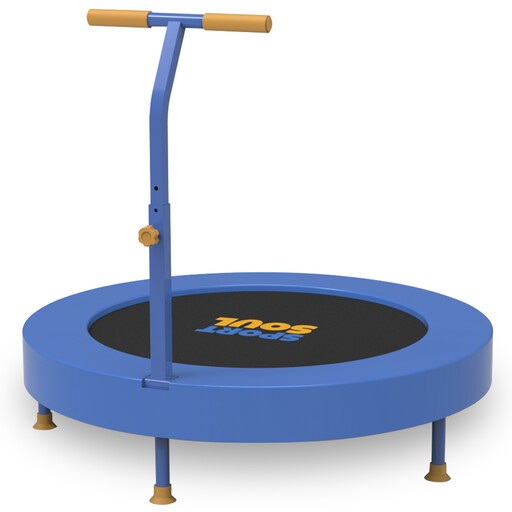
Why It Stands Out: This model is specifically designed with younger users in mind. The springless design, which uses 24 elastic resistance bands, provides a quieter and gentler bounce. The inclusion of a T-shaped adjustable handle offers crucial stability for children as they build confidence and coordination.
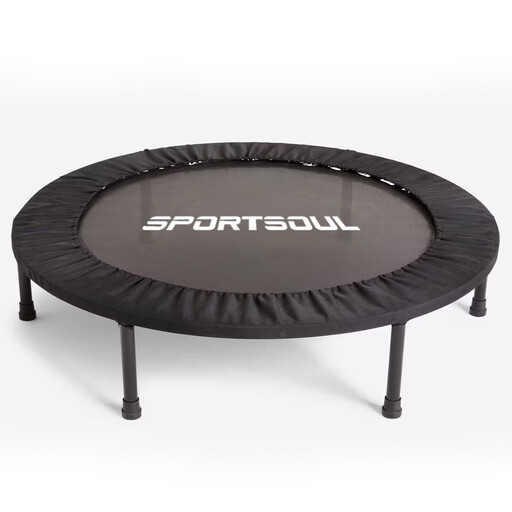
Why It Stands Out: This is a classic rebounder for adults that balances performance and practicality. Its 36-spring system delivers a responsive bounce suitable for a variety of low-impact cardio workouts. The non-slip feet help protect flooring and minimise noise, making it a considerate choice for home use.
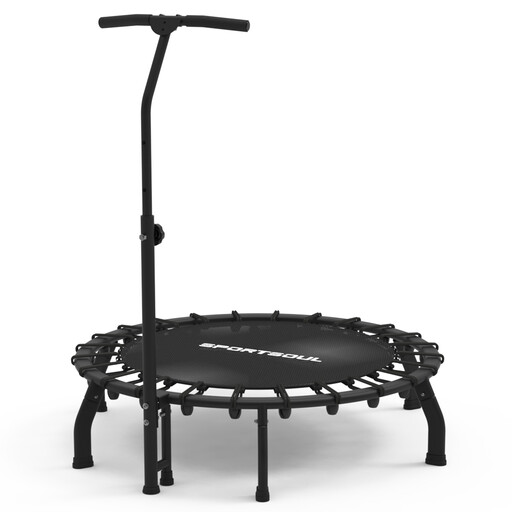
Why It Stands Out: With a maximum user weight of 120 kg, this model accommodates a wider range of users. It combines a durable steel frame with a high-quality spring system to provide a consistent and effective rebound. The slightly larger 42-inch diameter offers a more generous jumping surface.
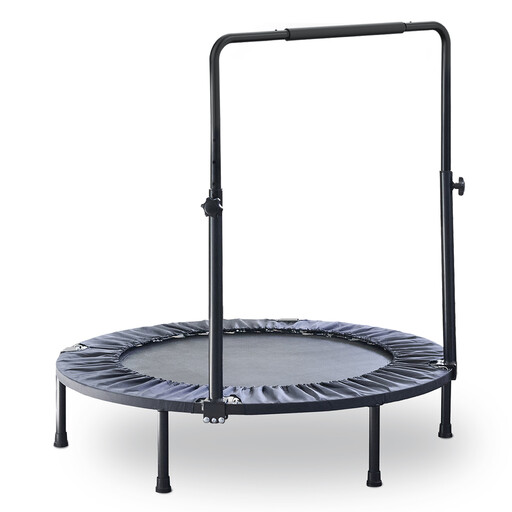
Why It Stands Out: This model combines three highly sought-after features: a large 48-inch surface, a supportive handle and a foldable frame. The adjustable handrail provides stability for various exercises, while the folding rebounder design makes it practical for homes where it can't be left out permanently. The 40-spring system ensures a solid performance.
If the models above aren't quite what you're looking for, or if you'd like to explore a wider variety of home workout gear, we have more to see.
? Explore our full collection of Sports & Fitness Equipment
1. Is a fitness trampoline a good workout? Yes, rebounding on a fitness trampoline is an effective form of low-impact exercise. It can improve cardiovascular health, lymphatic drainage, balance and muscle tone without putting excessive stress on your joints, making it suitable for a wide range of fitness levels.
2. Are spring or band rebounders better? Neither is definitively "better"; they simply offer different experiences. Spring-based models tend to have a firmer, higher bounce. Springless trampolines with elastic bands provide a quieter, softer bounce that is often lower impact on the joints. The choice depends on your personal preference, fitness goals and living situation.
3. How much space do I need for a mini trampoline? For safety, place your mini trampoline on a flat, stable surface. You should have at least 1-2 feet of clear space around the entire perimeter and sufficient overhead clearance to jump without hitting the ceiling or light fixtures. Always measure your space before purchasing.