
24/7 全天候客户支持

免费退货

当日/次日达

品质保障

开启新人专享福利: 全场免邮 | 低至 2 折 | 免费试用 30 天 JoyPlus 会员
下载 Joybuy
Keeping your home's floors clean can feel like a never-ending task. From muddy footprints in the hallway to spills in the kitchen, the right tool can make all the difference. But with so many types of floor mops available, choosing the correct one for your specific needs—whether you have tile, laminate or vinyl flooring—can be confusing.
This guide is designed to cut through the clutter. As the Joybuy Product Recommendation Officer, my role is to provide clear, practical advice to help you find a floor mop that is efficient, durable and suited to your home. We will explore key features to consider and highlight a few standout options to make your decision easier.
Before looking at specific products, it helps to understand what features matter most. Here are a few key points to consider when selecting a new floor mop.
The head of the mop is where the cleaning happens, and different materials offer distinct advantages.
Wringing a mop by hand is a thing of the past. Modern systems offer convenience and improved hygiene.
Here are a few floor mop options that offer practical features for everyday cleaning challenges in UK homes.
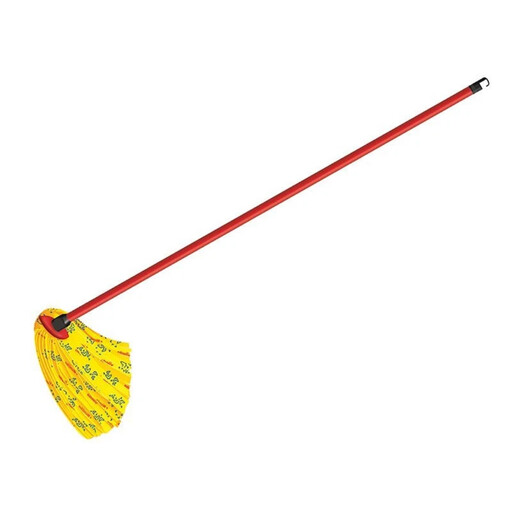
Why It Stands Out: This Vileda mop refines the classic string mop design with modern materials. Its distinctive lemon-shaped head is specifically designed to make cleaning corners and along skirting boards more effective. The mop head itself contains 30% more microfibre, enhancing its ability to pick up dirt and particles compared to standard materials.
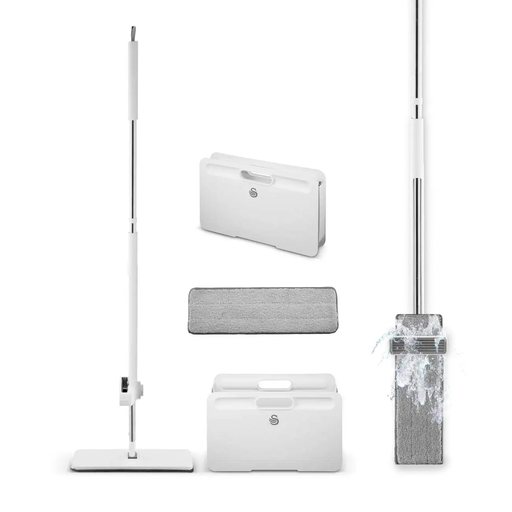
Why It Stands Out: This set from Swan is a complete system focused on convenience and hygiene. The self-wringing flat mop has a built-in mechanism that keeps the mop head from ever touching the dirty water, preventing cross-contamination. Its most practical feature is the collapsible bucket, which folds down for compact storage—a significant advantage for those with limited utility space.
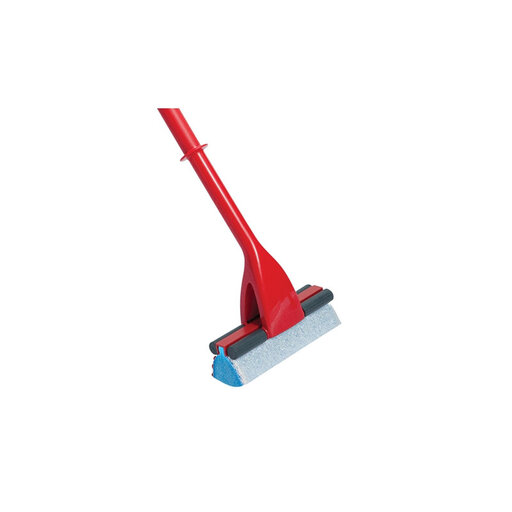
Why It Stands Out: The Vileda Magic Mop is a clever take on the classic sponge mop. It incorporates a simple but effective 'push-pull' wringing system directly on the handle, eliminating the need for a specialised wringer bucket. The mop head features 3D velour zones for better particle pickup and a non-scratch scourer to tackle stubborn marks without damaging floors.
The right cleaning tools can transform your household routine. If the recommendations above aren't quite what you're looking for, or if you'd like to see a wider variety of cleaning solutions, there are many other styles and systems available.
Explore our full range of floorcare supplies to find the perfect match for your home and cleaning style.
1. How often should I mop my floors? For high-traffic areas like kitchens, hallways and bathrooms, mopping once a week is a good rule of thumb. In less-used areas, once every two to four weeks is usually sufficient. However, you should always clean up spills as soon as they happen to prevent staining or damage.
2. What is the best way to clean a microfibre mop head? After each use, rinse the mop head thoroughly with warm water. For a deep clean, most microfibre heads can be machine washed. Use a regular detergent but avoid fabric softeners or bleach, as these can clog the fibres and reduce their cleaning effectiveness. Allow it to air dry completely before storing it.
3. Can I use the same floor mop for my kitchen and bathroom? For hygiene reasons, it is advisable to use separate mop heads for the bathroom and other areas of the house, like the kitchen. This helps prevent the spread of germs. Some people use a colour-coding system for their mop heads to easily distinguish between them.