
24/7 Customer Support

Free returns

Same-day & Next-day Delivery

Quality Guaranteed

Unlock Your Welcome Offers: FREE Delivery | Up to 80% OFF | Free 30-day JoyPlus trial
Download the APP
Navigating the world of kitchen appliances can feel overwhelming. You are looking for a reliable food processor to save time and effort, but the market is flooded with options, all promising to revolutionise your cooking. The reality is that many of these gadgets end up as expensive clutter, failing to deliver on their promises.
As a Joybuy Product Recommendation Officer, my role is to help you see past the marketing jargon. Before you invest, it is crucial to understand the common pitfalls that lead to buyer's remorse. Many UK households purchase appliances that are either underpowered for their needs or over-engineered with features they will never use. Here are the key traps to avoid.
Many machines are marketed as a food processor, blender and mixer rolled into one. While convenient in theory, affordable combination models often make significant compromises. They may feature a motor that is too weak to knead dough effectively and too slow to create a silky-smooth smoothie. The result is an appliance that performs multiple tasks poorly, rather than one task well.
A high wattage figure on the box looks impressive, but it is not the whole story. A powerful-looking 1200W motor can be less effective than a well-engineered 750W motor if it has poor torque or is built with low-quality components. True performance comes from a combination of motor quality, blade design and efficient power transmission, which ensures the appliance can handle tough ingredients without overheating or straining.
The bowl is where all the action happens, yet its material is often overlooked. Inexpensive food processors frequently come with basic plastic bowls that can absorb strong odours from garlic or spices and stain permanently from ingredients like turmeric or tomato sauce. Over time and with repeated dishwasher cycles, this plastic can become brittle and develop micro-cracks, compromising hygiene and durability. A food processor with a glass bowl or one made from high-grade, BPA-free Tritan plastic is a far more resilient and hygienic choice for long-term use.
To make a smart choice, focus on the core specifications that directly impact performance and longevity. These are the non-negotiable factors to check before you buy.
Instead of just looking at watts, consider the tasks you will perform. If you plan on making bread, you need a machine with high torque, like a dedicated stand mixer or a high-performance dough mixer, to handle the resistance. For general chopping and puréeing, a motor between 500W and 1000W is typically sufficient. Look for models that mention overload protection or have a solid die-cast metal body, as these are indicators of a more durable build.
Match the bowl size to your household's needs. A mini food chopper with a capacity of around 350-500ml is perfect for single servings, dressings or chopping herbs. For a family of four, a large food processor with a 2-3 litre bowl is more practical for batch cooking and meal prep. As mentioned, glass and high-quality BPA-free plastic are the preferred materials for durability, heat resistance and preventing stains and odours.
More attachments are not always better. Focus on the essentials:
Some models also offer specialised functions, such as a dedicated smoothie maker cup or attachments that turn the unit into a meat grinder. Assess whether these extras align with your actual cooking habits.
Based on these practical criteria, we have matched a few standout models to different user needs.

Why This Fits Their Persona: Ideal for those with smaller kitchens or who need a reliable tool for daily tasks like chopping onions, making pesto, or preparing baby food. Its small footprint doesn't sacrifice utility.
This model directly solves the "plastic bowl problem" by providing two high-borosilicate glass bowls. They will not stain or retain odours, ensuring long-term hygiene and durability.
Includes two separate bowls (0.6L and 2L) and blade sets, allowing you to process different ingredients without cross-contamination—perfect for handling garlic and fruit separately.

Why This Fits Their Persona: For the busy home cook who values efficiency and versatility. This machine genuinely combines a powerful food processor and blender, capable of handling everything from family-sized meals to morning smoothies.
This is a premium example of an "all-in-one" that works. The 1000W motor is robust enough for both processing and blending, and the integrated scale is a genuinely useful feature, not a gimmick, debunking the myth that combo units always fail.
The integrated EasyWeigh digital scale is a standout feature. It allows you to weigh ingredients directly into the bowl or blender jug, saving time, reducing washing up and ensuring recipe accuracy.
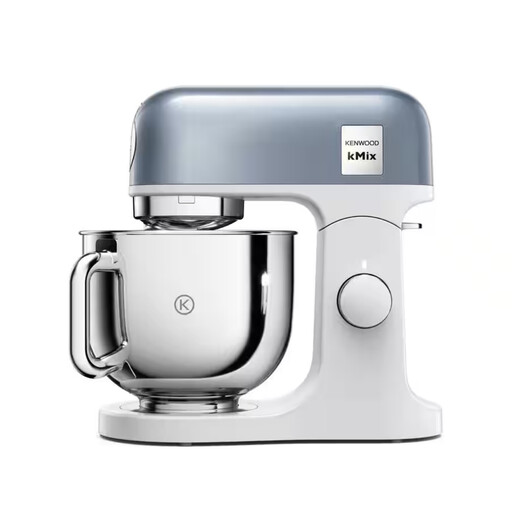
Why This Fits Their Persona: For anyone serious about baking, a dedicated stand mixer is the right tool for the job. This model provides the power, control and specific mixing action required for everything from delicate meringues to heavy bread doughs.
It avoids the "all-in-one" trap by focusing on being an exceptional electric kitchen mixer. Its powerful motor and planetary action are designed specifically for mixing, a task where multi-purpose machines often fail.
The planetary mixing action ensures all ingredients are thoroughly incorporated. It also features a unique, gentle 'Fold' function that carefully mixes in delicate ingredients without knocking out air.
We have compiled a complete, real-time list of products that fully satisfy these strict selection criteria and UK safety regulations.
The lifespan of a food processor depends on its build quality and frequency of use. A well-made model with a solid motor and durable components, used for typical household tasks, should last for 5 to 10 years. Cheaper, all-plastic models may only last a couple of years with regular use, especially if the motor is frequently strained.
Generally, no. A food processor is used for short bursts of time, so its impact on your electricity bill is minimal. For example, a 1000W (1kW) processor running for a total of 5 minutes per day would use a very small amount of energy. The cost is negligible compared to appliances that run for long periods, like ovens or refrigerators.
This varies by model, so it is essential to check the manufacturer's instructions. On most modern food processors, the bowl, lid and plastic or stainless steel attachments are dishwasher-safe (top rack recommended). However, the motor base must never be submerged in water. Some attachments, particularly those made of cast aluminium like certain dough hooks or meat grinder parts, are often hand-wash only, as harsh dishwasher detergents can cause them to oxidise and discolour.