Party-batch scone maker
You want to prepare a substantial mixture without repeatedly dividing the flour, butter and savoury additions. Compare your recipe quantity with the processor’s working capacity and any model-specific dough limit.


Choose a food processor with pulse control and enough stated working capacity for your savoury-scone recipe, rather than relying on total bowl size or wattage. A larger bowl may reduce the need to split a party batch, while a compact processor can make sense if you have room to prepare the mixture in stages. For texture, follow the method used in a Great British Bake Off scone recipe: pulse cold butter with the dry ingredients, then finish the wet dough lightly by hand.
You want to prepare a substantial mixture without repeatedly dividing the flour, butter and savoury additions. Compare your recipe quantity with the processor’s working capacity and any model-specific dough limit.
You value an appliance that is easier to store and are willing to prepare a larger birthday recipe in batches.
You want to stop processing once the cold butter and dry ingredients resemble breadcrumbs, then bring the dough together gently after adding liquid. That sequence follows a scone method published by The Great British Bake Off.
Start with the quantity you intend to make, then decide how much cupboard space and everyday food-preparation use justify a larger machine.
| Concern | What to check | Who this matters to |
|---|---|---|
| Party-batch capacity | Compare your recipe with the exact model’s working capacity and any stated dough or pastry limit; total bowl volume is not the same measure. | I would rather prepare the planned batch without repeatedly dividing its dry ingredients. Around 36% of consumers put single-batch capacity first. |
| Texture control | Look for pulse control so you can stop and inspect the butter-and-flour mixture before adding liquid. | If tender scones are my priority, I want control over when processing stops. Roughly 29% of consumers prioritise that control. |
| Everyday versatility | Check which blades and discs come with the exact product if you also want to chop herbs or prepare savoury additions. | I need the appliance to earn its cupboard space through regular meal preparation as well as the party. About 21% of consumers place that wider use first. |
| Storage and upkeep | Compare dimensions, accessory storage and which removable parts the model permits you to wash in a dishwasher. | With limited cupboard space and only occasional baking plans, I can accept dividing a larger recipe. Around 14% of consumers put storage and upkeep first. |
Neither figure tells you by itself how much of your particular mixture the processor can handle. Manufacturers distinguish total bowl volume from working capacity and, for some models, state separate dough limits.
Check the exact model’s usable capacity against your recipe and follow its manual for dough quantities.
A dough accessory does not mean every scone recipe calls for prolonged processing. The Great British Bake Off’s scone method pulses butter and dry ingredients to a breadcrumb-like texture before transferring them to a bowl.
Stop and inspect the mixture after short pulses, then add liquid and bring the dough together lightly by hand.
A compact processor can suit occasional baking, but its stated dry working capacity may call for a divided party batch.
Compare the flour-and-butter quantity with the model’s working limit before deciding whether to prepare the mixture in stages.
Ingredients and residue left on equipment can matter when preparing food for guests with allergies. The Food Standards Agency’s guidance for food businesses identifies allergen control and protection from cross-contamination as important practices.
Ask guests about allergies in advance. Where an allergen-sensitive batch is needed, keep its ingredients and equipment separate and thoroughly clean the removable parts and preparation surfaces.
The 4200XL is a full-size option to consider when a documented working capacity matters more than compact storage.
Kenwood’s range includes larger and compact processors, so the precise model matters more than the brand name when planning a batch.
The MultiTalent 3 MCM3100WGB provides a model-specific capacity reference for a moderate batch.
The 5KFP0719 is a smaller-bowl option for people who expect to make modest or divided batches.
These food processors include larger-bowl choices to consider for party preparation and smaller options to consider if you are willing to divide the mixture. Match the intended recipe to each model’s usable capacity before deciding; the scone method still calls for controlled butter mixing rather than prolonged kneading.
 No image available
Consider this larger-bowl model if you want to prepare dry ingredients for a party recipe with room to assess the batch size. Its product name specifies a 3L bowl, 1000W, an integrated digital scale and eight accessories. Check the model’s working capacity against your recipe rather than treating 3L as a dough limit.
 No image available
Consider this model if you want pulse control for the butter-mixing stage and a processor-and-blender combination for other preparation. The product name specifies a 3L bowl, 1000W, an integrated scale and 13 accessories. Check the working capacity and recipe quantity before planning one batch.
 No image available
Consider this model if the party recipe calls for a larger dry mix and you also want preparation attachments. Kenwood specifies a 3L bowl and 1.5L dry working capacity for the FDP65.180SI; its product name lists pulse control and six accessories. The dry working figure is not a guaranteed scone-dough limit, so check the recipe against the manual.
 No image available
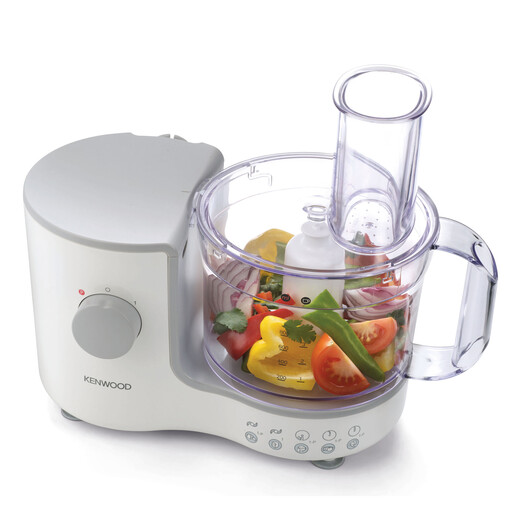
Consider a compact processor if storage matters and you are prepared to divide a larger scone recipe. This model’s product name specifies a 1.4L bowl, 400W and a shredder disc. Compare your dry-ingredient quantity with the manual before deciding how many batches to prepare.
 No image available
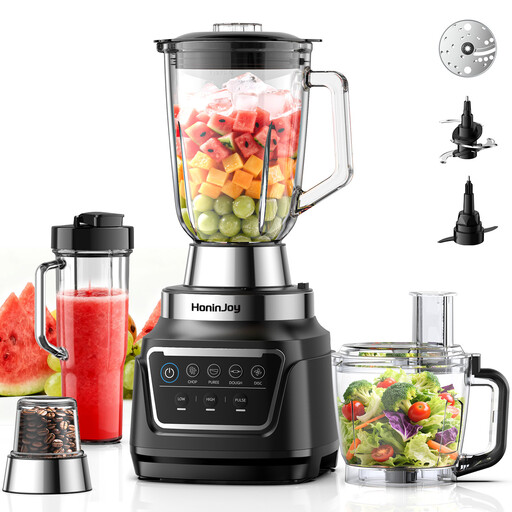
Consider this combination appliance if you also want blending, chopping, slicing and shredding functions. Its dough-making description alone does not establish whether it can follow a short-pulse scone method or take your intended batch. Check pulse control and usable capacity in the manual before choosing it for the party recipe.
Use the processor chiefly to pulse cold butter with the dry ingredients until the mixture resembles fine breadcrumbs, then add liquid and bring the dough together lightly by hand. That sequence follows a scone recipe from The Great British Bake Off, rather than relying on prolonged processor mixing.
A dough blade is not essential to the short butter-cutting stage described in The Great British Bake Off’s scone method. Prioritise a way to stop and inspect the mixture, then consider whether a dough blade would be useful for other recipes.
A 3L total bowl does not, by itself, confirm that your whole recipe will fit. Compare its ingredient quantity with the exact model’s working capacity and any applicable dough limit; for example, Kenwood states a 1.5L dry working capacity for the MultiPro Express FDP65.180SI, which measures something different from its 3L bowl volume.
Ask about the allergy before preparing food, and thoroughly clean the bowl, lid, blade, discs and preparation surfaces when switching ingredients. The Food Standards Agency identifies allergen cross-contamination control in its guidance for food businesses; for a home gathering, take particular care to keep any allergen-sensitive ingredients and equipment separate.