
24/7 Customer Support

Free returns

Same-day & Next-day Delivery

Quality Guaranteed

Unlock Your Welcome Offers: FREE Delivery | Up to 80% OFF | Free 30-day JoyPlus trial
Download the APP
Finding the right food storage containers can feel like a trivial task, but anyone who has dealt with a leaky lunch bag or a cupboard full of mismatched, warped plastic knows the frustration. A good set of containers can streamline your kitchen, support your health goals and reduce food waste. However, the market is flooded with options and it's easy to fall for common marketing claims that don't hold up in a real-world kitchen.
As a Joybuy Product Recommendation Officer, my role is to help you see past the hype. Before you invest in your next set, let's look at the most common pitfalls that lead to buyer's remorse and what to look for instead.
The "Leak-Proof" Promise That Doesn't Hold Water: Many containers claim to be leak-proof, but the reality often surfaces at the bottom of a work bag. This usually comes down to a poor seal design—either a flimsy silicone ring that dislodges easily or weak locking clips that can't withstand the jostle of a daily commute. A truly leak-proof food container needs a robust seal and a secure locking mechanism.
The Staining and Warping Trap: That bargain multi-pack seems like a great deal until you reheat last night's bolognese. Low-quality plastic can absorb colours and odours, leaving permanent stains and smells. Worse, it can warp in the microwave or dishwasher, rendering the lid useless and the container destined for the bin. Material quality is paramount for longevity.
The "Stackable" Illusion: The packaging shows a neat, towering stack, but in your fridge, they slide around precariously. Many containers are designed to nest when empty, which is great for cupboard space, but true stackable food storage means they should interlock securely when full, creating a stable, organised system in your fridge or freezer.
To avoid these issues, focus on a few key technical specifications. Understanding these will empower you to choose containers that are practical, durable and safe for your family.
While BPA-free plastic containers are now a standard expectation, not all BPA-free plastics are created equal. Look for containers made from high-quality polypropylene (PP), a durable and heat-resistant material that is less prone to staining and warping. For those looking for a more sustainable option, consider a recycled plastic lunch box. When you do, check that it's made from certified food-safe recycled materials. For instance, some brands now use "ocean-bound plastic," which is plastic waste collected from coastal areas before it enters the ocean.
These terms are often used interchangeably, but they mean different things.
For maximum versatility, look for containers that offer both. This is typically achieved with a combination of a thick, well-fitted silicone gasket inside the lid and strong, easy-to-use locking clips on all sides.
Finally, consider how you'll use the containers daily.
Based on these practical criteria, here are a few recommendations matched to different needs and lifestyles.

Why This Fits Their Persona: This 5-pack is ideal for anyone who prepares their work-week lunches in one go. The 870ml capacity and multi-compartment design support balanced, portion-controlled meals, keeping proteins, grains and vegetables separate until it's time to eat.
It directly counters the 'stackable illusion'. The Nest It system allows the containers to stack securely when full for fridge organisation and nest compactly when empty to save cupboard space.
Multi-compartment design for effortless portion control. Durable, BPA-free material is microwave, dishwasher and freezer safe for true versatility.
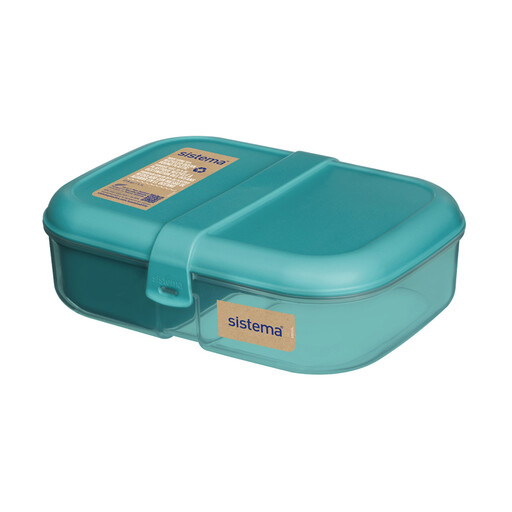
Why This Fits Their Persona: This lunchbox is made with 35% recycled ocean-bound plastic, offering a practical way to reduce single-use packaging while supporting environmental efforts. The included divided tray and pot allow for a versatile, Bento-style lunch.
It addresses material concerns by using certified food-grade recycled plastic, moving beyond just a 'BPA-free' claim. The signature easy-locking clips provide a secure closure, avoiding the flimsy seal pitfall.
Made with 35% recycled ocean-bound plastic. The versatile tray and pot system allows for creative and organised lunches on the go.
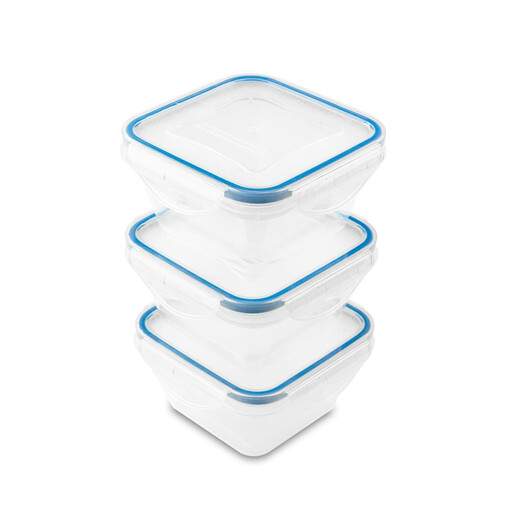
Why This Fits Their Persona: This set is perfect for everyday kitchen use. The 300ml size is ideal for storing leftovers, sauces, chopped fruit or snacks. The square shape is highly space-efficient for keeping cupboards and fridges tidy and organised.
It tackles the 'leak-proof promise' head-on with a durable clip-lock lid and a premium silicone sealing gasket, creating a genuinely airtight and leak-resistant seal you can rely on for storing liquids and sauces.
The reliable clip-tight seal locks in freshness and prevents spills. Its durable, BPA-free material is suitable for a wide temperature range (-20°C to 110°C).
We have compiled a complete, real-time list of products that fully satisfy these strict selection criteria and UK safety regulations.
1. How can I stop my plastic containers from staining? To minimise staining from foods like curry or tomato-based sauces, it's helpful to apply a light coating of cooking oil spray to the inside of the container before adding the food. Rinsing the container immediately after use, before the sauce has time to set, also makes a significant difference. For stubborn stains, a paste of bicarbonate of soda and water left to sit for a few hours can help lift the colour.
2. Are all BPA-free plastic containers safe for the microwave? Not necessarily. Always check the bottom of the container or the manufacturer's instructions for a microwave-safe symbol. Even if it is safe, it's best practice to remove the lid or at least open any vents before heating. This prevents a build-up of steam pressure that can cause the container to warp or, in rare cases, burst. Avoid microwaving for excessively long periods.
3. What is the real difference between airtight and leak-proof? An airtight seal is about preventing air exchange to maintain freshness, which is key for dry foods like biscuits or coffee beans. A leak-proof seal is about containing liquids, which requires a more robust gasket and locking system to prevent spills. While many high-quality containers offer both, if your primary need is transporting soup, prioritise a "leak-proof" specification. If it's for pantry storage, "airtight" is the more critical feature.