
24/7 Customer Support

Free returns

Same-day & Next-day Delivery

Quality Guaranteed

Unlock Your Welcome Offers: FREE Delivery | Up to 80% OFF | Free 30-day JoyPlus trial
Download the APP
Finding the best foundation make-up is less about choosing the most expensive bottle and more about matching coverage, undertone, finish and wear time to your daily routine. A foundation that looks polished in a shop may become patchy on a rainy commute, emphasise dry areas in winter or turn shiny during a warm journey.
This guide explains the key details to check before buying, followed by our top recommendations for different budgets and usage needs.
A foundation with SPF can contribute to your daily routine, but the amount applied is usually less than the amount used when testing sunscreen protection. SPF 15, SPF 20, SPF 30 or SPF 45 on a cosmetic product should not automatically be treated as your only sun protection, particularly during prolonged outdoor exposure.
Apply a separate broad-spectrum sunscreen where appropriate, allow it to settle, then apply foundation. Reapply sunscreen as directed, as topping up foundation alone may not provide equivalent protection.
A full-coverage foundation can help disguise redness, dark spots and visible imperfections, but applying too much can make fine lines, dry patches or uneven texture more noticeable. Medium coverage that can be built in thin layers may offer greater control for everyday wear.
Likewise, a matte foundation may reduce the appearance of shine on oily skin, while a radiant foundation can make dry or dull-looking skin appear more luminous. Neither finish is automatically suitable for everyone.
Names such as Ivory, Linen, Honey, Golden and Sand are not consistent across brands. Check three factors:
Where possible, compare the shade with your jawline in natural daylight. A colour that matches only the hand may look noticeably different on the face and neck.
A liquid foundation is often versatile because it can be applied sheer or layered for more coverage. A serum foundation typically has a fluid texture and may include ingredients such as hyaluronic acid, niacinamide, vitamin C derivatives or salicylic acid. These ingredients can support a skincare-led formulation, but cosmetic foundation should not be treated as a medical or therapeutic product.
For dark spots or redness, look for medium-to-full buildable coverage rather than relying on a thick layer across the whole face. Spot-concealing after a lighter base can produce a more natural result.
Always check the current packaging for ingredients, warnings and usage instructions. Patch testing is sensible when introducing a new cosmetic, especially if your skin is reactive.
A long-lasting foundation may be useful for office days, events or commuting. However, terms such as “24-hour”, “waterproof” or “sweat-resistant” describe product claims and do not guarantee identical performance for every wearer. Skin preparation, climate, application method and contact with clothing all affect wear.
For the UK, also consider how the formula behaves with moisturiser and sunscreen underneath. Apply a small amount first, allow skincare to settle, and build thin layers rather than applying a heavy coat immediately.
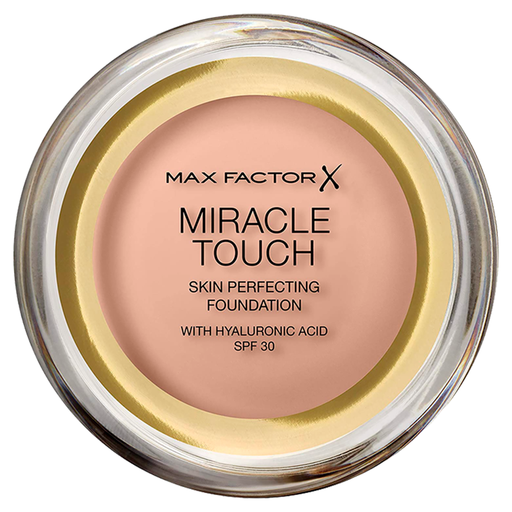
Why This Fits Their Persona: The compact format suits beginners, occasional make-up users and anyone wanting a straightforward option for a handbag or quick morning application.
Its solid-to-liquid format makes it easier to control the amount, helping avoid the heavy application associated with high-coverage bases.
Contains hyaluronic acid and offers buildable coverage in a compact with an included sponge.
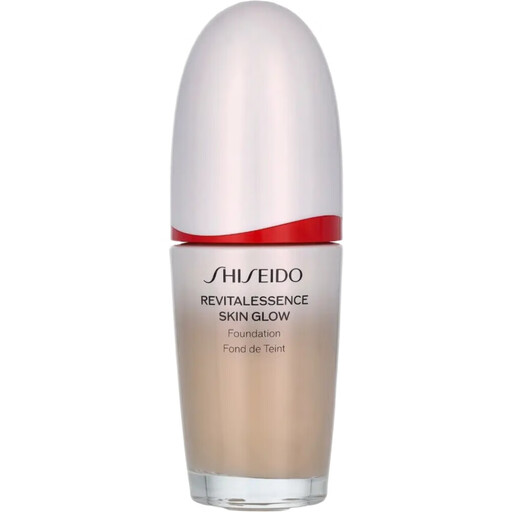
Why This Fits Their Persona: A suitable direction for shoppers prioritising a lightweight, luminous base for dinners, workdays and polished everyday make-up.
The product information specifies a lightweight texture and radiant finish, making its intended appearance clearer than a vague “glow” claim.
Offers SPF 30, a lightweight texture and a radiant finish; the listing describes it as suitable for all skin types.
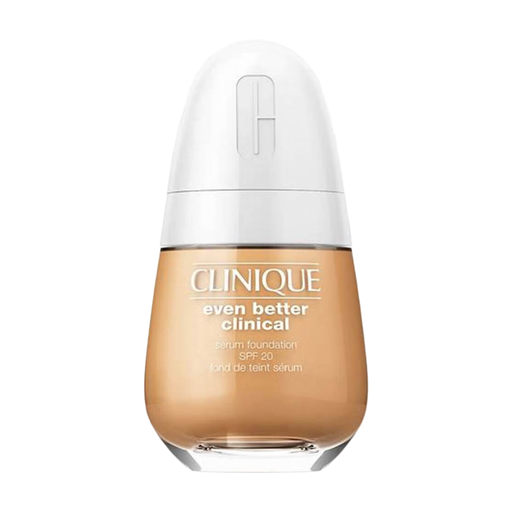
Why This Fits Their Persona: Its medium-to-full buildable coverage and stated sweat- and humidity-resistant wear may suit long workdays, events and changeable UK weather.
The concentrated formula is directed to start with half a pump, helping shoppers build coverage instead of over-applying from the outset.
Oil-free liquid formula with hyaluronic acid, vitamin C derivative, salicylic acid and SPF 20.
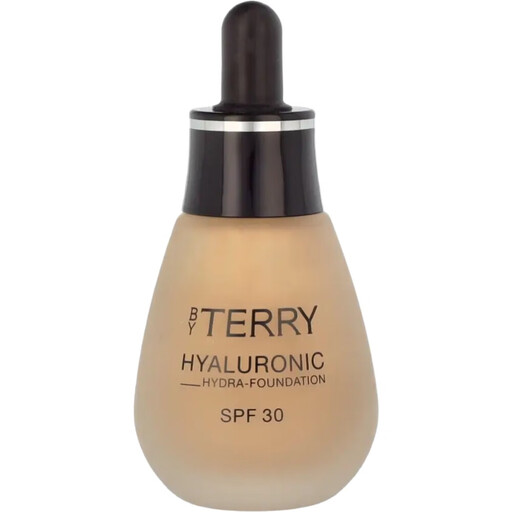
Why This Fits Their Persona: This is aimed at shoppers who want a skincare foundation feel, buildable coverage and a soft-matte appearance without choosing a traditional heavy base.
The dropper guidance gives a practical starting point: two drops for sheer coverage and four for medium coverage.
Includes sodium hyaluronate, niacinamide, SPF 30 and a buildable liquid formula.
We have compiled a complete, real-time list of products that fully satisfy these strict selection criteria and UK safety regulations.
Clean brushes and sponges regularly, close the bottle or compact securely, and follow the storage instructions on the packaging.
Look for an oil-free formula with a satin-matte or matte finish and buildable coverage. Clinique Even Better Clinical Serum Foundation SPF20 is one option listed with an oil-free formula and sweat- and humidity-resistant wear. Skin preparation still matters: use a lightweight moisturiser and apply powder only where shine develops.
Usually, it should not be considered sufficient on its own. The quantity of foundation applied is generally lower than the amount used to assess sunscreen protection. Use a separate sunscreen as appropriate and follow its reapplication instructions, especially during prolonged outdoor exposure.