
24/7 Customer Support

Free returns

Same-day & Next-day Delivery

Quality Guaranteed
Download the APP
Categories
As a dog owner, you want to provide the best possible nutrition for your companion. Many are drawn to the benefits of a raw diet but are often put off by the preparation, storage and safety concerns. This is where freeze-dried dog food comes in, offering a practical bridge between the nutritional integrity of raw ingredients and the convenience of dry kibble.
This guide is designed to help you navigate the options. We will explore what to look for when choosing a high-quality food and present some of our top recommendations to help you make an informed decision for your dog's health and happiness.
Making the right choice involves looking beyond the packaging. Here are a few key factors to consider when selecting a freeze-dried diet for your dog.
The foundation of a quality diet is its protein. For many dogs, especially those with digestive upset, a single protein dog food can be highly beneficial. These recipes use just one type of animal protein (like chicken, duck or rabbit), which makes it easier to identify and avoid specific ingredients that may cause reactions. This approach is a cornerstone of many limited ingredient dog food diets, which are often recommended for a dog food for sensitive stomachs. When assessing a product, check if it uses a single, clearly named protein source.
A truly premium food will have a transparent and simple ingredients list. Look for diets that follow a whole prey dog food model, incorporating not just muscle meat but also organs, cartilage and bone. This mimics a natural canine diet and provides a wider spectrum of essential nutrients. A high protein dog food is desirable, but the quality of that protein is paramount. Ideally, the food should be grain free, with the bulk of its content derived from animal sources rather than plant-based fillers like corn, wheat or soy, which offer limited nutritional value for dogs.
It is vital to distinguish between 'complete' and 'complementary' foods. A 'complete' food is nutritionally balanced to provide all the vitamins and minerals your dog needs for daily health, as defined by UK and EU pet food regulations. A 'complementary' food, such as a topper or a treat, is not designed to be the sole source of nutrition. For a primary meal, always choose a product labelled as a 'complete diet' to ensure your dog isn't missing out on crucial nutrients.
Based on their ingredient quality and nutritional profiles, here are a few standout options to consider.
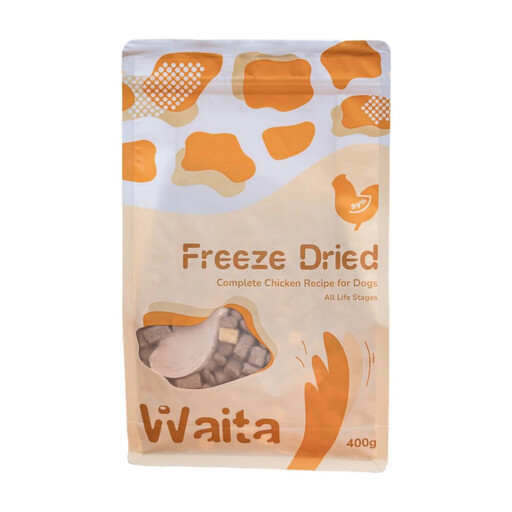
Why It Stands Out: This recipe is an excellent example of a whole-prey diet, with 99% of its ingredients coming from chicken meat, organs and bone. Its single-protein formula makes it a reliable choice for dogs on an elimination diet or those with known sensitivities to other proteins.
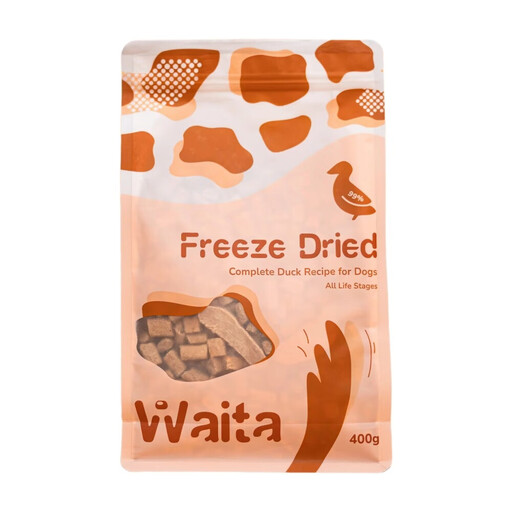
Why It Stands Out: Duck is considered a novel protein for many dogs, meaning they are less likely to have been exposed to it. This makes the Waita dog food duck recipe particularly suitable for dogs with suspected food allergies to more common proteins like chicken or beef.
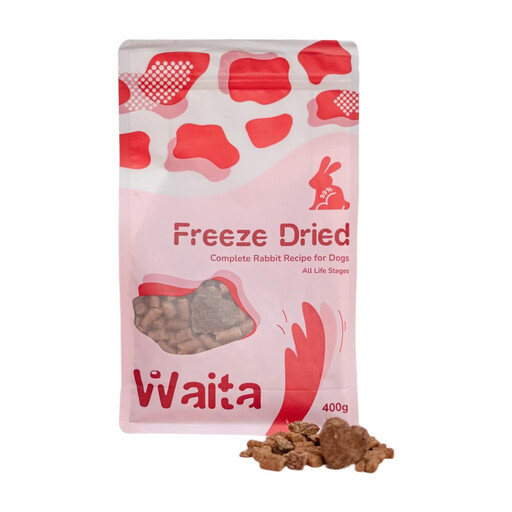
Why It Stands Out: Like duck, rabbit is another novel protein that can be a game-changer for dogs with persistent food intolerances. This recipe boasts an impressive ≥53% crude protein and is composed of 99% rabbit ingredients, including meat, bone, lung and liver.
The right food depends entirely on your dog's individual needs, from their age and activity level to any specific dietary requirements. If these recommendations aren't quite the right fit, there are many other excellent choices available.
To see a wider selection of proteins and formulas, we invite you to explore our full range of Freeze-Dried Dog Food.
Freeze-drying is a gentle, low-temperature dehydration process that removes water while preserving the vast majority of the nutrients, enzymes and textures of the original raw ingredients. This makes it a very close nutritional alternative to a traditional raw dog food diet, but with the added benefits of a longer shelf life, easier storage and reduced risk of bacterial contamination.
A sudden change in diet can cause digestive upset. It is always recommended to transition your dog gradually over a period of 7-10 days. Start by mixing a small amount of the new freeze-dried food with their current food and slowly increase the proportion of the new food each day until you have fully switched over.
Many freeze-dried foods are formulated to be 'complete and balanced' for all life stages, which includes puppies. The high protein and nutrient density can be very beneficial for a growing dog. However, always check the product's packaging to confirm it is suitable for puppies and consult your veterinarian for specific feeding advice, as puppies have unique nutritional requirements for healthy development.