
24/7 Customer Support

Free returns

Same-day & Next-day Delivery

Quality Guaranteed

Unlock Your Welcome Offers: FREE Delivery | Up to 80% OFF | Free 30-day JoyPlus trial
Download the APP
A reliable set of freezer bags is a cornerstone of any well-organised UK kitchen. Whether you are a savvy home cook capitalising on bulk buys, a busy parent preparing meals in advance or a new mother carefully storing breast milk, the right bag can make all the difference. However, the market is filled with options that promise much but often fail to deliver, leading to wasted food and money.
Before you make your next purchase, it is crucial to understand the common pitfalls. Many consumers find themselves disappointed by bags that are far from what they expected.
Navigating these issues is simple when you know what to look for. Focusing on a few core features will ensure you select a product that performs reliably.
Instead of getting swayed by marketing buzzwords, concentrate on the fundamental parameters that dictate performance. These factors determine whether a bag will protect your food or let you down.
The material is the first line of defence against freezer burn and leaks. Standard, thin polythene bags are suitable for short-term storage but may not withstand long-term freezing. For better protection, look for heavy duty freezer bags made from thicker, more resilient plastic. For those seeking reusable options, multi-layer composite materials, often including PET and PE, offer enhanced strength and puncture resistance. Always check that the material is explicitly labelled as BPA-free and food-safe, especially when storing food for children.
The seal is arguably the most critical feature. A poor seal is the primary cause of freezer burn.
Consider what you will be storing. Large food bags are ideal for batch-cooked meals, whole loaves of bread or large cuts of meat. Smaller bags are perfect for portioning snacks, freezing individual servings or creating meal prep bags with pre-chopped ingredients. Having a variety of sizes on hand ensures you are not wasting a large bag on a small item, which also helps in removing excess air more effectively.
To help you find the right fit, we have matched some reliable options to different household needs. These selections are based on their practical features and how they address the common purchasing pitfalls.
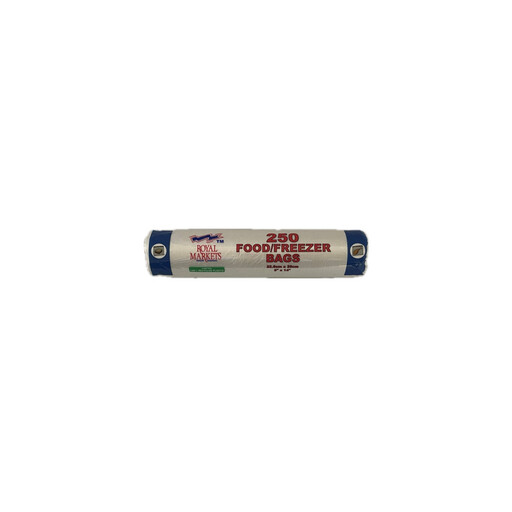
Why This Fits Their Persona: For households that buy in bulk or do a lot of freezing, value is key. This large roll of 250 bags offers a straightforward, cost-effective solution for portioning everything from meat to vegetables without a hefty upfront cost.
It sidesteps the unreliable seal issue by using a simple tie-top design. The material is described as "heavyweight durable plastic," directly countering the problem of flimsy bags that become brittle and crack in the freezer.
Excellent value with 250 bags per roll. The heavyweight construction is designed to lock in moisture and resist frost, helping to prevent freezer burn effectively.
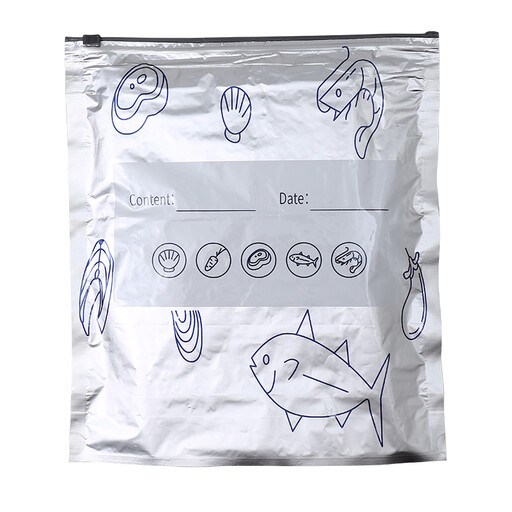
Why This Fits Their Persona: Ideal for those committed to reducing single-use plastic. These reusable freezer bags are washable and durable, making them perfect for weekly meal prep, storing marinated meats or packing lunches.
The robust sliding zipper provides a far more reliable seal than flimsy press-to-close alternatives. Its multi-layer composite material is engineered for repeated use, avoiding the brittleness of cheap, disposable plastics.
Washable and reusable, with a stand-up design for easy filling. The aluminium foil layer blocks light, which helps to slow oxidation and keep food fresh for longer.

Why This Fits Their Persona: For new parents, safety and reliability are non-negotiable. These specialised pouches are designed specifically for breast milk, offering features that standard food storage bags lack, such as pre-sterilisation and temperature indicators.
It directly solves the unreliable seal problem with a double strong sealing mechanism and a double zipper. This provides the extra security needed to prevent any leakage of precious milk, a common fear for parents.
Pre-sterilised, BPA-free and features a unique temperature-sensing function that changes colour to indicate if milk is too hot, too cold or just right for feeding.
We have compiled a complete, real-time list of products that fully satisfy these strict selection criteria and UK safety regulations.
1. How can I best prevent freezer burn, regardless of the bag I use? Freezer burn is caused by air exposure. The most effective technique is to remove as much air as possible from the bag before sealing it. For liquids, leave a small amount of headspace (about an inch) to allow for expansion as it freezes. For solid items, press the bag flat around the food to push out excess air before closing the seal. Double-bagging can also provide extra protection for long-term storage.
2. Are reusable freezer bags hygienic and safe to use multiple times? Yes, if cleaned and dried properly. After each use, wash them thoroughly by hand with warm, soapy water. Use a bottle brush to clean corners. Rinse them completely and, most importantly, allow them to air dry fully before the next use to prevent any bacterial growth. Avoid reusing bags that have held raw meat, fish or eggs for other food types to prevent cross-contamination.
3. What do "degradable" or "compostable" freezer bags actually mean in the UK? These terms refer to how the bag breaks down after disposal. "Compostable" bags (certified EN 13432) are designed to break down into natural elements in a commercial composting environment, which involves high temperatures. They will not typically break down in a home compost bin or landfill. "Degradable" (or oxo-degradable) bags are made from plastic that includes additives to help them break down into smaller pieces over time when exposed to oxygen and light. It is important to check your local council's recycling and waste guidelines, as many do not accept these bags in food or garden waste bins.