
24/7 全天候客户支持

免费退货

当日/次日达

品质保障

开启新人专享福利: 全场免邮 | 低至 2 折 | 免费试用 30 天 JoyPlus 会员
下载 Joybuy
Freezing food is a brilliant way to save money, reduce waste and make mealtimes more convenient. Whether you are batch cooking for the week, storing bulk-bought bargains or preserving seasonal produce, the right storage is key. However, a flimsy bag can lead to freezer burn, leaks and a disorganised mess. Finding a reliable solution helps keep your food tasting its best and your freezer tidy.
This guide is designed to help you navigate the options available. We will walk through the essential features to look for in freezer bags and share some of our top recommendations to help you store food with confidence.
With so many choices on the market, from single-use to reusable, it can be tricky to know which is right for your needs. Here are a few key points to consider.
The thickness and material of a bag are crucial for protecting food from the harsh, dry environment of a freezer. Standard sandwich bags are often too thin and can become brittle at low temperatures, leading to splits and air exposure. Look for heavy duty food storage bags specifically labelled as "freezer safe." These are made from thicker plastic that remains flexible when frozen, creating a better barrier against moisture loss and helping to prevent freezer burn, which can affect the texture and flavour of your food. For those seeking a more sustainable option, reusable freezer bags made from durable, washable materials like silicone or multi-layer composites are an excellent choice.
A secure seal is non-negotiable. It locks in freshness, prevents odours from mingling and stops leaks—a must if you are freezing soups, stocks or sauces. Most zip lock bags for freezing offer a dependable press-and-seal closure. Some feature a double zip for extra security, while others use a slider mechanism, which can be easier to close, especially with cold hands. A truly leakproof freezer bag will give you peace of mind that your marinades and broths will stay contained.
Consider what you will be storing. Large bags are great for family-sized portions of stew or a whole loaf of bread, while smaller bags are ideal for portion control bags or individual servings. If you are a fan of meal prepping, having a variety of sizes on hand is useful. Some bags also feature a stand-up base, which makes them much easier to fill without spills. A writable label area is another practical feature, allowing you to note the contents and date at a glance, ensuring nothing gets lost at the back of the freezer.
Here are a few dependable options that cater to different household needs, from everyday portioning to long-term, reusable storage.
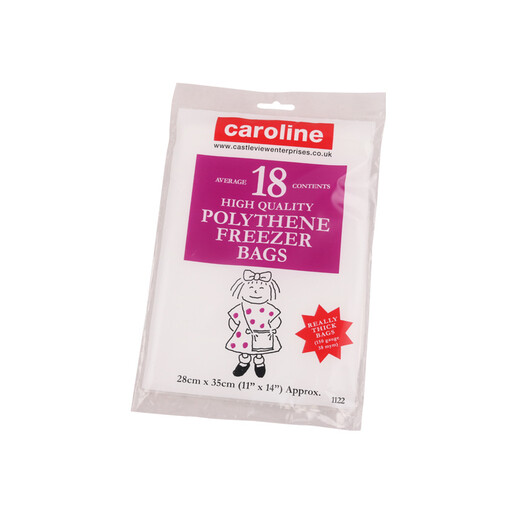
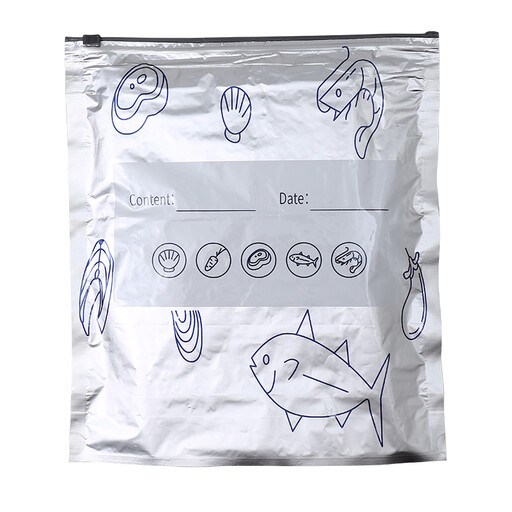
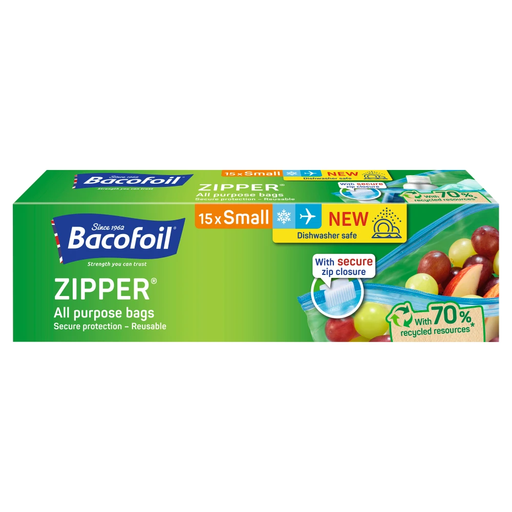
If these recommendations are not quite what you are looking for, or if you need different sizes and features, there are many other storage solutions available.
Explore our full range of zipped pouch bags to find the perfect fit for your kitchen.Browse More Storage Bags
1. Can you reuse freezer bags? It depends on the bag. Some, like the Caroline Freezer Bags, are designed for single use. Others, such as the Maxcook and Bacofoil bags, are made from more durable, washable materials and are intended to be reused multiple times. Always check the product description. If reusing, be sure to wash them thoroughly with soap and warm water and allow them to dry completely to prevent bacterial growth.
2. How do I prevent freezer burn with freezer bags? Freezer burn occurs when food is exposed to air, causing it to dehydrate. To prevent it, choose a bag made from thick, freezer-grade material. The most important step is to remove as much air as possible from the bag before sealing it. Press the air out manually or use the water displacement method (submerge the sealed bag in water, leaving a small opening for air to escape, then seal it fully). A tight seal is also essential.
3. Are all zip lock bags suitable for freezing? Not all zip lock bags are created equal. While they may look similar, bags specifically designed for freezing are made from thicker, more durable plastic that can withstand cold temperatures without becoming brittle. Standard sandwich bags are thinner and may not provide adequate protection against freezer burn or prevent splitting. For best results, always use bags that are explicitly marked as "freezer safe."