
24/7 Customer Support

Free returns

Same-day & Next-day Delivery

Quality Guaranteed
Download the APP
Categories
Finding time for a satisfying, flavourful meal can be a challenge. Many of us crave the authentic taste of restaurant-style dishes like dim sum, but lack the time or expertise to create them from scratch. Frozen pork dumplings offer a brilliant solution, providing a quick, convenient and delicious meal that can be ready in minutes.
As a Joybuy Product Recommendation Officer, my role is to help you navigate the growing selection of frozen foods. This guide cuts through the marketing clutter to offer practical advice on choosing the right frozen dumplings for your needs, from classic Chinese jiaozi to popular Korean gyoza. We will look at what makes a quality dumpling and share some of our top recommendations available for you to buy today.
Before you fill your basket, a little knowledge can help you select the perfect pack. Here are a few key points to consider when you want to buy frozen dumplings.
The term "dumpling" covers a wide variety of filled parcels. Knowing the main types can help you find the flavour and texture you prefer.
The packaging provides valuable clues about the product's quality. Pay attention to the ingredient list to understand what you are eating. Look for the Quantitative Ingredient Declaration (QUID), which tells you the percentage of key ingredients, such as Pork (25%). This helps you gauge the meat-to-filling ratio. Also, be sure to check the allergens list if you have any dietary sensitivities.
How you plan to cook your dumplings can influence your choice. While most can be boiled, steamed or pan-fried, some are better suited to specific methods. For instance, thinner-skinned gyoza are ideal for achieving a crispy bottom as pan-fried dumplings. Newer on the scene, air fryer dumplings are a great option for a quick, low-oil snack and certain products are formulated to cook well with this method.
Here are three excellent options that showcase the variety and quality available in the world of frozen pork dumplings.
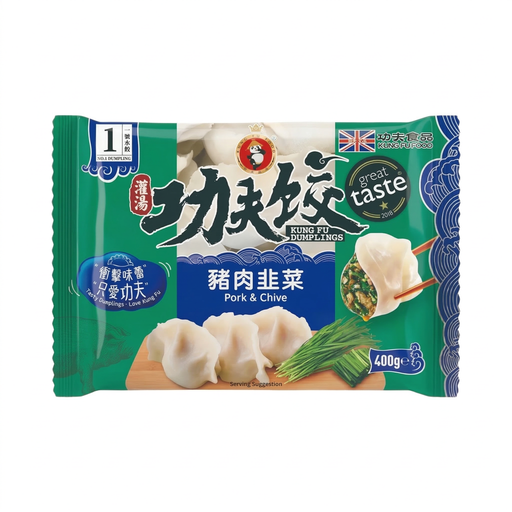
Why It Stands Out: These are classic Chinese dumplings (Jiaozi) that deliver an authentic, homestyle taste. The filling is a savoury combination of pork and fragrant chives, wrapped in a skin that holds up well to boiling, steaming or pan-frying.
Pros:
Who is it for? This is an ideal choice for anyone seeking a traditional jiaozi experience. It's perfect for a quick family meal, whether served in a simple broth or pan-fried and dipped in soy sauce and vinegar.
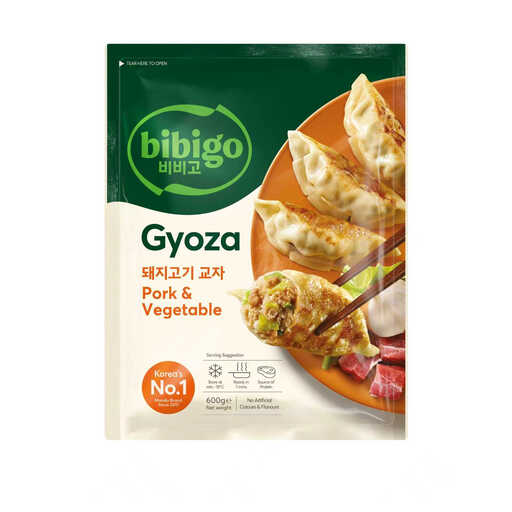
Why It Stands Out: Bibigo is a well-regarded brand known for its high-quality Korean gyoza. These dumplings feature a thin, chewy wrapper that crisps up beautifully. The filling is a balanced blend of pork, fresh vegetables and tofu, creating a complex texture and taste.
Pros:
Who is it for? If you love the crispy-tender texture of restaurant-style gyoza, this is the product for you. It's also a fantastic choice for those who own an air fryer and want a quick, satisfying snack or meal.
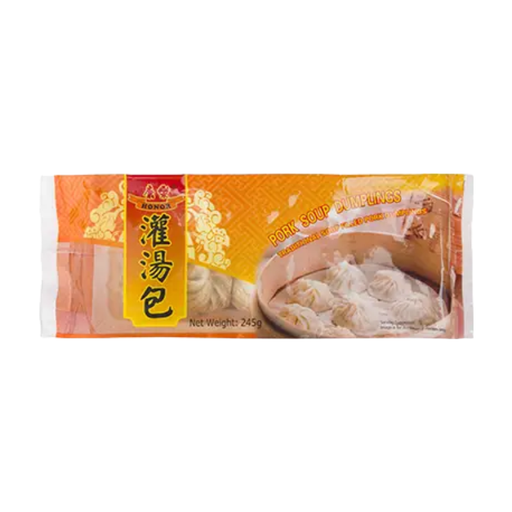
Why It Stands Out: These are authentic xiaolongbao, or soup dumplings, that bring a special frozen dim sum experience into your kitchen. Each dumpling contains a rich pork filling and a solidified broth that melts upon steaming, creating the signature "soup burst" with every bite.
Pros:
Who is it for? For the adventurous foodie and dim sum enthusiast. If you want to impress guests or simply treat yourself to something special, these frozen soup dumplings are an excellent choice.
Our recommendations cover some of the most popular styles, but the world of dumplings is vast. If you're looking for different fillings, such as pork with cabbage, or want to explore vegetarian alternatives, there are many more choices available.
Explore our complete range of pork dumpling products to find your perfect match.
Here are answers to a few common queries about how to cook frozen dumplings.
It depends on the style and your preference.
No, you should not thaw them. Cooking frozen dumplings directly from the freezer is recommended. Thawing can make the wrappers sticky and prone to tearing, which is especially problematic for soup dumplings.
While they share a common origin, there are subtle differences. Chinese jiaozi often have a slightly thicker, chewier wrapper and are enjoyed boiled, steamed or pan-fried. Korean gyoza, influenced by the Japanese version, typically feature a thinner wrapper and are most famously prepared by pan-frying to achieve a crispy base. The fillings can also differ, with gyoza often including a wider mix of vegetables alongside the pork.