
24/7 Customer Support

Free returns

Same-day & Next-day Delivery

Quality Guaranteed

Unlock Your Welcome Offers: FREE Delivery | Up to 80% OFF | Free 30-day JoyPlus trial
Download the APP
A tin of fruit cocktail is a classic British pantry staple, promising a quick and colourful addition to desserts, breakfasts or a simple snack. However, not all canned fruit is created equal. Navigating the supermarket aisle can lead to purchases that disappoint in flavour, texture and nutritional value. Before you add a can to your basket, it pays to be aware of a few common pitfalls.
Many shoppers find themselves with a product that is overly sweet, texturally poor or unbalanced in its fruit content. Here are the key issues to watch for:
To ensure you get a quality product that meets your needs, focus on these two core parameters. They are the most reliable indicators of what is actually inside the can.
The liquid a canned fruit mix is preserved in has the biggest impact on its taste and sugar content.
fruit cocktail for desserts where extra sweetness is desired.Always check the ingredients list for "juice" versus "sugar" or "glucose-fructose syrup" to understand what you are buying.
The ingredients on a tinned fruit salad label are listed in order of quantity. If you see "Pears" as the first ingredient, you can expect the can to contain more pears than any other fruit. Well-known brands like Del Monte fruit cocktail often provide a relatively consistent mix, but it is always wise to check the label to manage your expectations. A quality fruit salad in a can will feature a balanced variety of fruits like peaches, pears, pineapple, grapes and cherries. If you are looking for a specific flavour profile, the ingredient list is your most trustworthy guide.
Instead of a one-size-fits-all approach, we match products to specific needs. Here are our recommendations based on different household profiles.

Why This Fits Their Persona: This is an ideal pantry staple for families looking for a convenient fruit option without unnecessary added sugar. It is perfect for adding to breakfast cereal, topping yoghurt or serving as a quick and simple snack for children.
It directly counters the "syrup trap" by being packed in clarified pineapple juice. This provides natural sweetness while keeping the sugar content lower than syrup-based alternatives.
A versatile and reliable option from a well-known brand. The fruit pieces (peaches, pears, pineapple, grapes and cherries) maintain a firm texture suitable for various uses.
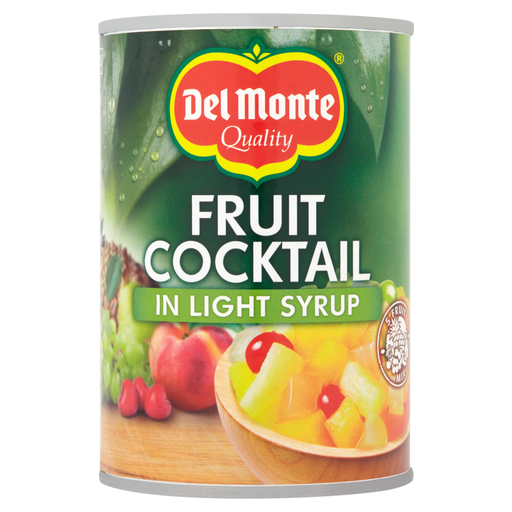
Why This Fits Their Persona: For those crafting classic British desserts like a trifle, the light syrup is often a key component. It provides the necessary sweetness and moisture to soak sponge fingers, creating an authentic base for custard and cream.
While it uses syrup, it is clearly labelled, allowing for an informed choice. It avoids the "mushy texture" pitfall, as the fruit pieces remain firm enough to provide a pleasant contrast in desserts.
Offers a ready-made sweet base for desserts. The syrup can be incorporated directly into the recipe, adding flavour and preventing food waste.
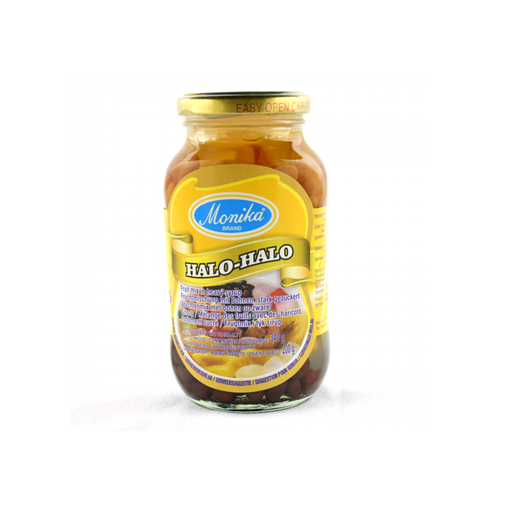
Why This Fits Their Persona: For those looking to create something more exotic than a trifle, this mix is the essential ingredient for the iconic Filipino dessert, Halo-Halo. It offers a unique combination of tropical fruits, palm fruits and sweet beans.
This product sidesteps the "mystery mix" issue by being a purpose-built blend for a specific international dish. Its unique composition is its primary feature, not a flaw.
Provides an all-in-one, authentic base for creating an impressive dessert. The mix of textures, from chewy palm fruits to tender beans, delivers a genuine taste of the tropics.
We have compiled a complete, real-time list of products that fully satisfy these strict selection criteria and UK safety regulations.
Canned fruit cocktail in juice can be a convenient way to include fruit in your diet, especially when fresh fruit is not available. It provides vitamins and minerals, but it is typically lower in fibre than its fresh counterpart due to the removal of skins. Choosing varieties packed in 100% fruit juice rather than syrup is a good way to manage your intake of added sugars. As with any food, it is best enjoyed as part of a balanced diet.
Once a can of fruit salad is opened, any unused contents should be transferred to a non-metallic, airtight container, such as a glass jar or plastic tub. Storing it in the original tin can impart a metallic taste to the fruit. Keep it refrigerated and aim to consume it within 3 to 4 days for the best quality and food safety.