
24/7 Customer Support

Free returns

Same-day & Next-day Delivery

Quality Guaranteed

Unlock Your Welcome Offers: FREE Delivery | Up to 80% OFF | Free 30-day JoyPlus trial
Download the APP
A garden fence is more than just a boundary; it's the backdrop to your outdoor living space. A tired, weathered fence can make the whole garden feel neglected, while a fresh coat of colour can instantly revitalise it. But choosing the right garden fence paint is about more than just aesthetics. It's about providing long-lasting protection against the unpredictable British weather. This guide will help you navigate the options to find a durable, stylish and practical solution for your fences, sheds and other garden wood.
With so many products available, knowing what to look for can simplify your decision. Here are a few key factors to consider before you start your DIY project.
The finish you choose will have a significant impact on the final look. A matt wood paint offers a contemporary, non-reflective finish that is very forgiving of imperfections in the wood. Many modern treatments, like Cuprinol Garden Shades, are designed to colour the wood while allowing the natural grain to show through, offering a more organic feel than a solid, opaque paint. Popular colour choices continue to be versatile neutrals like grey fence paint and classic white garden paint, but a splash of colour with a green shed paint can bring a garden to life.
The type of paint is crucial for both application and long-term safety. A water based fence paint is generally a practical choice for DIY projects. These formulas are typically low in odour, easier to clean up (requiring just soap and water) and dry much faster than traditional oil-based paints. If you have pets or children, or are painting near flowerbeds, look for a pet safe garden paint. These products are formulated to be non-toxic to plants and animals once they have fully dried.
Your fence is constantly exposed to the elements, so a quality outdoor wood treatment is essential. Look for products that offer multi-year weather protection to prevent the wood from rotting and the colour from fading. Check whether the product is suitable for both rough-sawn and smooth-planed wood, and consider the application method. While many paints are suitable for brush application, some can also be used in a sprayer, which can save a significant amount of time on larger projects.
Here are a few standout options that balance colour, protection and ease of use for your next garden project.
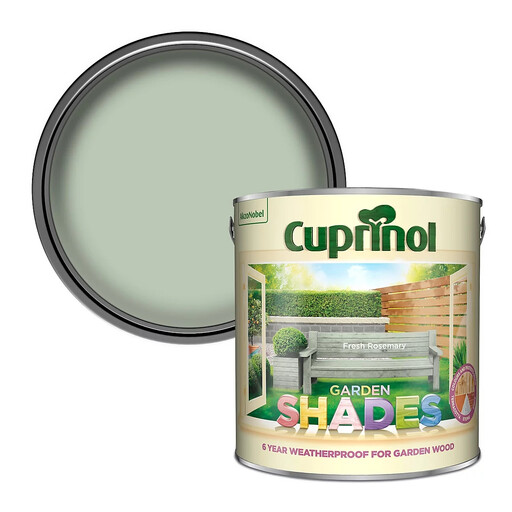
Why It Stands Out: Fresh Rosemary offers a vibrant, natural green that can make garden foliage pop and create a lush, cohesive look. Its versatility is a key feature; this treatment isn't just for wood but can also be used to add a splash of colour to terracotta pots, brickwork and stone, allowing you to coordinate different elements in your garden.
Pros:
Who is it for? This is an excellent choice for gardeners who want to move beyond traditional wood tones and introduce a lively, herbaceous colour that complements plants and flowers. It's ideal for feature fences, sheds and planters.
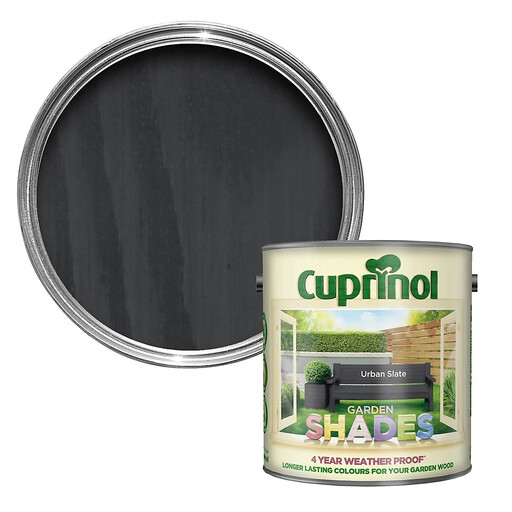
Why It Stands Out: Urban Slate is a deep, contemporary grey fence paint that delivers modern sophistication. This shade works brilliantly as a neutral backdrop, making bright flowers and green foliage appear more vibrant. It provides a chic, architectural feel to outdoor spaces, transforming simple fences and sheds into stylish features.
Pros:
Who is it for? Perfect for homeowners aiming for a modern, minimalist or industrial garden aesthetic. This colour is incredibly versatile and provides a smart, uniform finish that elevates the entire garden design.
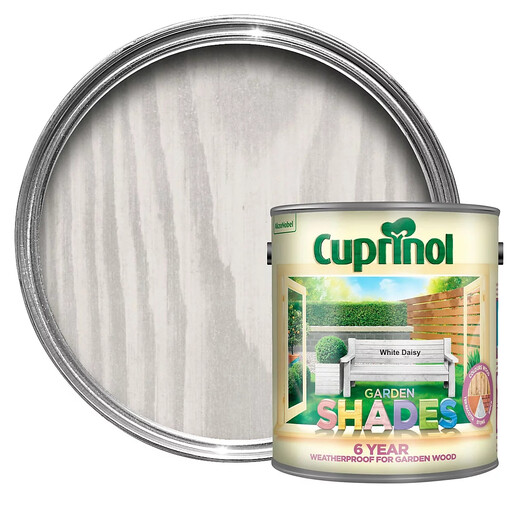
Why It Stands Out: White Daisy is a soft, clean off-white that can brighten up dark corners of the garden and create a sense of space. Unlike a harsh brilliant white, this shade has a gentle quality that feels more natural outdoors. It’s a timeless choice that evokes the feel of a classic cottage garden, yet it works just as well in contemporary settings.
Pros:
Who is it for? Ideal for those looking to create a light, airy and welcoming garden space. This white garden paint is perfect for fences, arbours and garden furniture, providing a crisp contrast to lawns and planting.
Once your fence has been transformed, you might be looking for other ways to enhance your outdoor space. To complement your freshly painted backdrop, consider adding some unique decorative pieces.
Explore our curated collection of wooden artwork to find the perfect finishing touch for your garden.
1. What is the difference between fence paint and fence treatment? Generally, a fence 'paint' provides an opaque, solid colour film that sits on top of the wood, completely hiding the grain. An outdoor wood treatment, like the Cuprinol Garden Shades range, is often semi-transparent. It penetrates the wood to provide protection while adding colour, but still allows the natural texture and grain of the wood to be visible. Treatments are also formulated to be more flexible, resisting the cracking and peeling that can sometimes occur with standard paints as the wood expands and contracts.
2. Is one coat of fence paint enough? For a new colour or untreated wood, two coats are usually recommended to achieve an even finish and ensure full weather protection. A second coat deepens the colour and adds to the durability of the finish. If you are simply refreshing an existing colour, one coat may be sufficient. Always check the manufacturer's instructions on the tin for specific guidance.
3. How long does water based fence paint take to dry? One of the main advantages of water based fence paint is its fast drying time. In good conditions (warm, dry and not too humid), many products are touch dry within 1-2 hours. However, it's important to allow for a longer curing time before the paint is fully resistant to rain, which is typically around 4-8 hours. Avoid painting if rain is forecast or if temperatures are expected to drop below 5°C.