
24/7 Customer Support

Free returns

Same-day & Next-day Delivery

Quality Guaranteed

Unlock Your Welcome Offers: FREE Delivery | Up to 80% OFF | Free 30-day JoyPlus trial
Download the APP
A trampoline can be a fantastic addition to any home, offering a source of fun for children and a unique way for adults to stay active. However, with so many types available—from large garden models to compact indoor rebounders—choosing the right one can feel overwhelming. Whether you're looking for a safe way to keep the kids entertained outdoors, a low-impact fitness tool or a fun activity for a toddler, understanding the key features is essential.
This guide is designed to help you navigate the options. We will outline what to consider before you buy and present a selection of trampolines suited for different needs, from family gardens to home gyms.
Before jumping into a purchase, it’s wise to consider a few key factors. Thinking about safety, space and the intended user will ensure you select a trampoline that is both enjoyable and appropriate for your household.
When it comes to trampolines, especially those for children, safety is the primary concern. A kids trampoline with a safety net is a fundamental requirement for most outdoor models. Look for an enclosure that attaches securely to the frame, ideally on the inside of the springs, to prevent contact with the frame and springs. A thick, durable pad that completely covers the springs is also crucial. Finally, check that the frame is made from sturdy, weather-resistant steel and complies with recognised safety standards, such as ASTM F381 & F2225, which relate to the design, construction and performance of consumer trampolines.
The size of the trampoline should be determined by the space you have available. For an outdoor round trampoline, it's not just the diameter you need to account for. Manufacturers typically recommend at least 2 metres of clear, flat ground around the entire perimeter, free from fences, trees, sheds or other hazards. A 10ft trampoline with enclosure is a popular size for medium-sized gardens, offering ample jumping space without dominating the entire lawn. For those with limited space or who want an indoor option, a mini trampoline or fitness trampoline offers a compact footprint that can be easily stored.
The ideal trampoline varies significantly depending on who will be using it.
Based on features, user-friendliness and intended purpose, here are our recommendations to help you find a suitable match for your home.
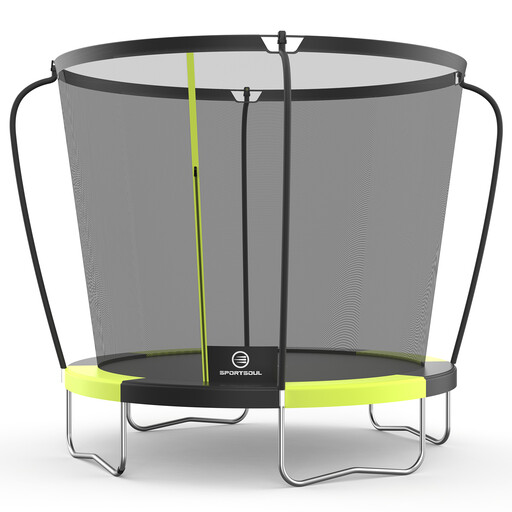
Why It Stands Out: This model focuses on simplifying the setup process, which is often a major hurdle for large trampolines. According to the brand, its patented T-Socket system allows two people to assemble the frame in about an hour. The enclosure also features patented designs for easier attachment and takedown, making seasonal storage more manageable. The 10ft diameter and inside-net design make it a practical choice for family gardens.
Pros:
Who is it for? Families with a medium-sized garden looking for a durable outdoor trampoline for recreational use by children under supervision.
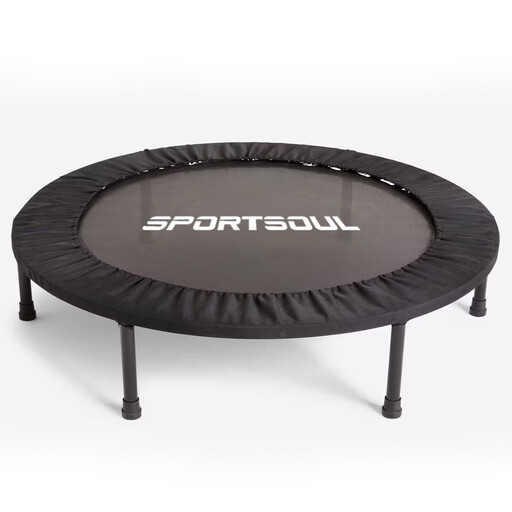
Why It Stands Out: This fitness trampoline, or rebounder, is built for indoor exercise. Its compact 40-inch frame is easy to store, and it comes ready to use with no assembly required. The 36 high-quality steel springs are engineered to deliver a firm, responsive bounce suitable for low-impact cardio workouts. It also features silent, non-slip feet to protect floors and minimise noise, making it a considerate choice for home gyms or flat living.
Pros:
Who is it for? Adults seeking a rebounder for adults to incorporate low-impact cardio and toning exercises into their home fitness routine.
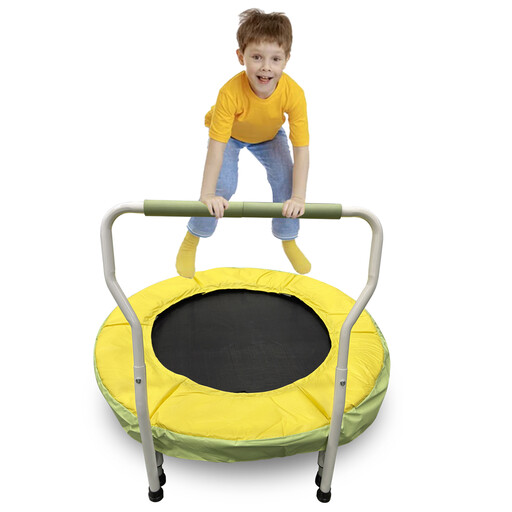
Why It Stands Out: Designed specifically for young children, this toddler trampoline includes key features for stability and safety. The prominent foam-covered handlebar is adjustable, providing support as a child grows. A full-coverage safety pad completely conceals the 24 springs, preventing little feet and hands from getting near them. With a 25 kg (55 lbs) maximum user weight, it is strictly intended for gentle, supervised play for children aged 3-6.
Pros:
Who is it for? Parents or guardians of toddlers (ages 3-6) looking for a safe, indoor activity to help burn off energy and develop coordination.
After a long day of bouncing and outdoor fun, a good night's sleep is essential. If you're looking to upgrade your home's comfort and durability, from the garden to the bedroom, you might also be interested in our selection of robust furniture.
Explore our range of durable steel beds for a solid foundation for rest.
1. Are garden trampolines safe for children? When used correctly, they can be. Safety depends heavily on proper installation, adult supervision and enforcing clear rules. Always choose a model with a high-quality safety enclosure, ensure the springs are fully covered and place it on level ground away from hazards. Enforcing a "one person at a time" rule is one of the most effective ways to prevent accidents.
2. What is the difference between a fitness trampoline and a regular one? The main differences are size, tension and purpose. A fitness trampoline (rebounder) is much smaller and has a firmer, less bouncy mat designed for controlled, low-impact exercises. A regular garden trampoline is larger, has a higher, more recreational bounce and is designed for fun and play rather than structured workouts.
3. How much space do I need for a 10ft trampoline? For a 10ft trampoline with enclosure, you need a circular area of 10 feet (approx. 3 metres) for the trampoline itself, plus a recommended safety perimeter of at least 2 metres of clear, flat space on all sides. This means you should ideally have a level patch of garden around 7 metres in diameter. Always check the specific manufacturer's guidelines for clearance requirements.