
24/7 Customer Support

Free returns

Same-day & Next-day Delivery

Quality Guaranteed

Unlock Your Welcome Offers: FREE Delivery | Up to 80% OFF | Free 30-day JoyPlus trial
Download the APP
Garlic is the backbone of countless dishes, from a hearty bolognese to a fragrant curry. But for busy home cooks, the faff of peeling and crushing fresh cloves every evening can be a real chore. Enter ready-to-use garlic paste: a promise of convenience and flavour in a jar. However, the supermarket aisle is filled with options that often fail to deliver, leaving you with a disappointing meal.
As a Product Recommendation Officer, I see where shoppers often go wrong. Many products are not what they seem, and a few common pitfalls can lead to wasted money and bland food. Before you buy your next jar, be aware of these traps.
To avoid these traps, you don't need to be a food scientist. You just need to know what to look for on the label. Focusing on a few core parameters will ensure you get a product that delivers on its promise of convenient, authentic flavour.
This is the single most important number on the jar. It tells you how much of the product is actual garlic versus fillers. A higher percentage, typically 70% or more, indicates a more potent and authentic flavour. Products with low garlic content (sometimes below 50%) are often reliant on salt and artificial flavourings to compensate. For a rich, deep flavour in your garlic paste for curries or stews, always prioritise a high garlic content.
How the garlic is preserved directly impacts its taste and best use cases.
The form of the ready to use garlic dictates how it behaves in your cooking.
Based on these practical criteria, we've matched a few standout options to different types of home cooks.

Why This Fits Their Persona: This is the go-to for anyone who needs a reliable, no-fuss shortcut for hot meals. It's perfect for quickly adding a garlic base to stir-fries, curries and pasta sauces without the mess.
It's preserved in white wine vinegar, but the product is designed so the vinegar evaporates during cooking, sidestepping the "flavour impostor" trap in hot dishes.
The chopped texture is versatile for most cooked meals, and the simple dosing (one teaspoon equals one clove) makes it incredibly convenient.
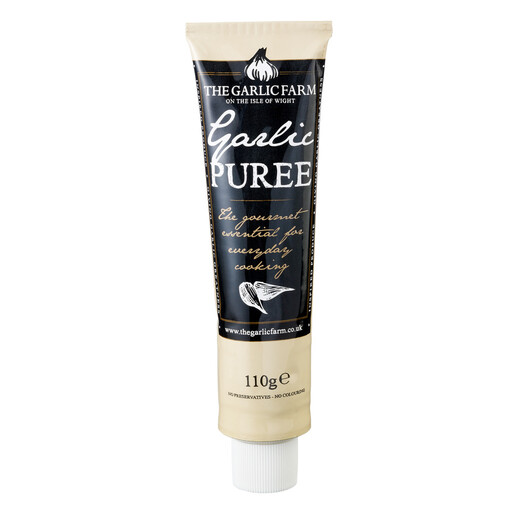
Why This Fits Their Persona: For those who refuse to compromise on flavour and want a product as close to fresh as possible. Ideal for making dressings, marinades and aioli where the pure garlic taste needs to shine.
With an exceptionally high 95% garlic content and no added salt, it completely avoids the pitfall of being a diluted, salty impostor. The use of olive oil and citric acid ensures a clean taste.
Its potent, authentic flavour and smooth puree texture make it highly versatile for both raw and cooked dishes, giving the user full control over seasoning.
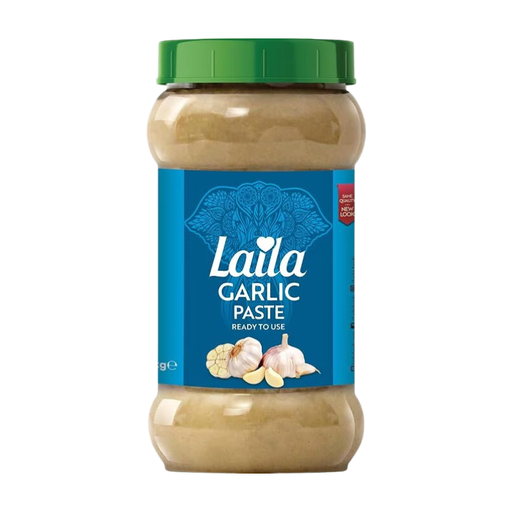
Why This Fits Their Persona: For families or meal-preppers who get through a lot of garlic, this large 1kg tub offers excellent value without a major compromise on quality. It's a workhorse for batch-cooking curries, stews and marinades.
Despite its affordable large format, it maintains a high 80% garlic content, steering clear of the low-quality, filler-heavy trap common in many bulk products.
Outstanding cost-effectiveness for heavy users. The smooth paste consistency is versatile and integrates easily into large-batch recipes.
We have compiled a complete, real-time list of products that fully satisfy these strict selection criteria and UK safety regulations.
1. How much garlic paste is equal to one clove? A good rule of thumb is that one teaspoon of garlic paste is roughly equivalent to one medium-sized clove of fresh garlic. However, potency varies greatly between brands depending on the garlic percentage. It's always wise to check the packaging for the manufacturer's recommendation and then adjust to your personal taste.
2. How long does garlic paste last once opened? Once you open a jar of garlic paste, it must be stored in the refrigerator. Most products will last for 4 to 6 weeks after opening. Always check the label for specific storage instructions and the recommended consumption period to ensure the best flavour and quality. If you notice any discolouration or off-smells, it's time to discard it.
3. Can I use garlic paste for garlic bread? Yes, you can, but the type of paste matters. For the best results, choose a garlic puree or paste that is preserved in oil or citric acid, not vinegar. An oil-based paste will blend smoothly with butter or olive oil to create a rich, flavourful spread. A vinegar-based 'lazy garlic' may impart a slightly acidic taste that isn't ideal for this application.