
24/7 全天候客户支持

免费退货

当日/次日达

品质保障

开启新人专享福利: 全场免邮 | 低至 2 折 | 免费试用 30 天 JoyPlus 会员
下载 Joybuy
A good pen can make writing a pleasure, but a bad one is a source of daily frustration. Whether you are a student taking lecture notes, an office professional signing documents or a creative soul filling a journal, the right pen matters. Yet, the market is filled with options that often fail to live up to their promises. Many of us have been caught out by pens that smudge, feel uncomfortable or simply stop working.
As the Joybuy Product Recommendation Officer, my role is to help you navigate these choices. Before you spend your money, be aware of these common pitfalls:
By understanding a few key features, you can easily avoid these issues and find a pen that performs reliably every time.
Choosing the right pen comes down to matching its technical specifications to your specific needs. Here are the three most important factors to analyse.
The most significant choice you will make is the ink type. While traditional biros use an oil-based ink, gel pens use a water-based pigment gel. This gives them a distinct advantage in delivering a vivid, effortless line with minimal pressure, resulting in exceptionally smooth writing pens.
However, the higher water content can mean longer drying times. This is why it is crucial to look for formulations specifically described as quick-dry ink. This feature is a non-negotiable for pens for left-handers to prevent smudging as their hand moves across the page. For archival purposes, such as in legal documents or journals, look for acid-free ink, which resists fading over time.
The point size of a pen, measured in millimetres (mm), determines the thickness of the line it produces.
How a pen feels in your hand is just as important as how it writes. Look for pens with a dedicated comfort grip, often made from soft rubber or a textured material, to reduce hand strain. The barrel shape can also contribute to comfort, with some users preferring a triangular shape to encourage a proper grip.
Finally, consider the mechanism. Retractable pens offer great convenience for both office pens and school supplies, as there is no cap to lose and the tip is protected from drying out. A sturdy clip is also a practical feature for attaching the pen to a notebook or pocket.
Based on these practical criteria, we have matched several products to common user needs. These recommendations focus on pens that deliver on their promises of comfort, performance and reliability.
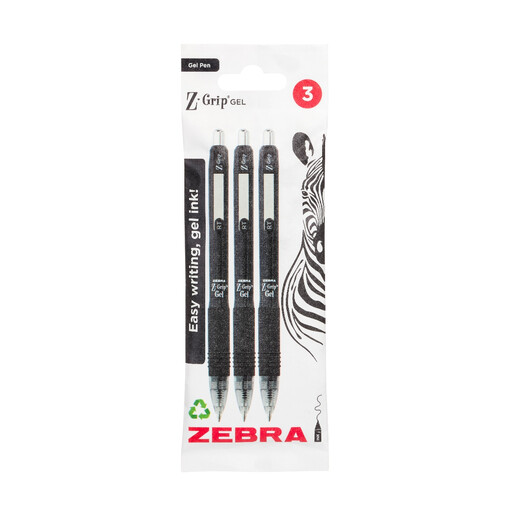
Why This Fits Their Persona: This user needs a reliable, comfortable and professional-looking pen for high-volume, everyday writing. This pack of black ink pens offers excellent value for stocking up on dependable writing tools for lectures or meetings.
It directly counters the discomfort pitfall with an ergonomic comfort grip designed to reduce hand fatigue. The low-viscosity gel ink also addresses inconsistent flow, providing a silky-smooth line without skipping.
The 0.7mm medium point is versatile for most writing tasks, and the acid-free, archival-quality ink ensures notes remain legible for years.
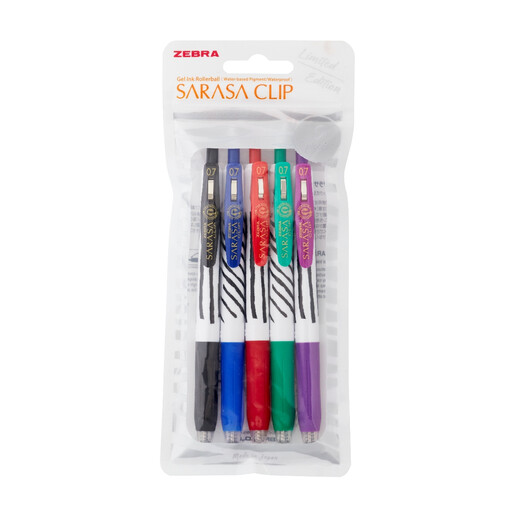
Why This Fits Their Persona: This user needs vibrant, reliable colours for organisational tasks like colour-coding notes, bullet journaling or creative projects. This pack of assorted colour pens provides a versatile palette.
It features rapid-dry ink technology, directly solving the smudging pitfall, which is crucial when working with multiple colours or highlighting. The cushioned rubber grip also prevents hand fatigue during long creative sessions.
The durable spring-loaded binder clip is a standout feature, securely attaching to thick notebooks or clipboards. The water-based pigment ink is also archival quality.
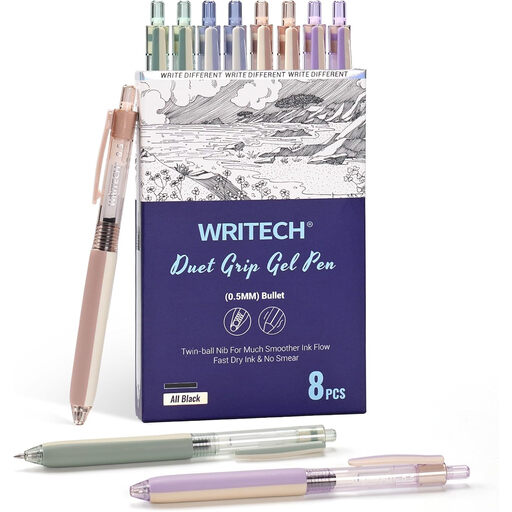
Why This Fits Their Persona: This user, especially a left-handed writer, prioritises clean, smudge-free work above all else. The fine point pen tip is also perfect for those who need precision for detailed notes or sketches.
This pen is specifically engineered to combat the smudging trap. Its special quick-dry ink is designed to dry immediately, keeping hands and paper clean. The triangular barrel also addresses comfort by promoting a better writing posture.
The patented silent clicker mechanism is a unique feature, minimising noise in quiet environments like libraries or meetings. The 0.5mm twin-ball tip provides a very stable and smooth writing feel.
We have compiled a complete, real-time list of products that fully satisfy these strict selection criteria and UK safety regulations.
The main difference is the ink. Ballpoint pens (or biros) use a thick, oil-based ink that is generally long-lasting and water-resistant. Gel pens use a water-based gel ink that provides a much smoother, more vibrant line with less writing pressure. While traditional gel inks can take longer to dry, many modern formulas now feature quick-dry ink to prevent smearing.
The most effective method is to choose a pen with a proven quick-drying ink formula, which is especially important for pens for left-handers. Additionally, allowing a brief moment for the ink to set before touching it or closing a notebook can help. Storing your pens with the tip retracted or capped will also ensure the ink maintains its intended consistency.
This depends entirely on your writing style and purpose. A 0.5mm fine point pen is better for small, precise handwriting, detailed drawings or fitting a lot of information into a small space, such as when journaling. A 0.7mm medium point pen is a more common all-rounder, producing a bolder line that is easy to read and feels very smooth, making it ideal for general note-taking and everyday writing.