
24/7 Customer Support

Free returns

Same-day & Next-day Delivery

Quality Guaranteed

Unlock Your Welcome Offers: FREE Delivery | Up to 80% OFF | Free 30-day JoyPlus trial
Download the APP
By Joybuy Product Recommendation Officer
For many home cooks in the UK, recreating the authentic, nuanced flavours of Chinese cuisine can be a rewarding challenge. A common hurdle is preparing meat and seafood; achieving that tender, succulent texture while eliminating any unwanted fishy or gamey odours is a technique that can feel elusive. The secret often lies not just in the cooking method, but in a fundamental pantry staple: a quality ginger and scallion cooking wine.
This essential ingredient, a type of liaojiu, is specifically designed to tenderise proteins and neutralise odours, all while imparting a subtle, aromatic fragrance that enhances the final dish. It's the key to transforming a simple stir-fry or steamed fish from good to great.
This guide is designed to help you navigate the options and select a product that suits your cooking style. We will look at what makes a good spring onion ginger cooking wine and present a few carefully selected recommendations available for your kitchen.
When selecting an Asian cooking wine, a few key details on the label can tell you a lot about its quality and intended use.
Base and Infusion Method: A quality cooking wine typically uses fermented rice as its base. The ginger and spring onion flavours can be infused naturally or added as flavourings. Products that use real ginger and scallion in the infusion process often provide a more authentic and less artificial aroma.
Ingredient List: Take a moment to read the ingredients. Some cooking wines are formulated with a higher salt content, making them a potent cooking wine for marinade but requiring you to adjust the amount of soy sauce or salt you add later. Others, with lower salt and fewer additives, offer more flexibility.
Purpose and Versatility: Consider how you plan to use it. Are you primarily looking for a Chinese cooking wine for fish and seafood, or do you need an all-rounder for pork, chicken and beef? Most ginger and scallion cooking wines are versatile, but their flavour profile might lean slightly one way or another.
Based on their formulation and user feedback, here are our recommendations for ginger and scallion cooking wines that can help you master the art of flavour enhancement.
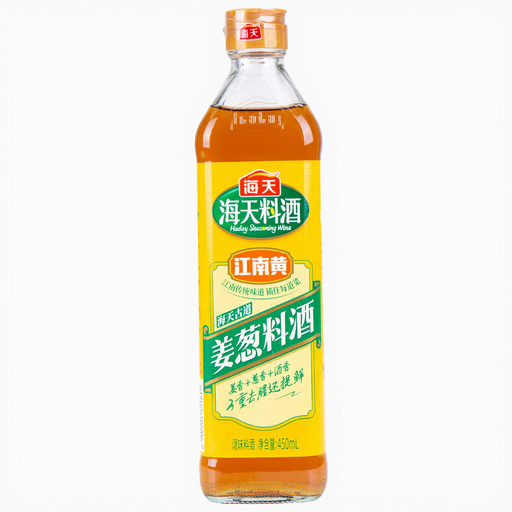
Why It Stands Out: HADAY is a brand with a long history in Chinese condiments, and this product reflects that heritage. It offers a well-balanced profile where the aromatics of ginger and shallot (a type of spring onion) are present but not overpowering. Its primary function is to effectively tackle the common problem of how to remove fishy smell from meat and seafood, making it a reliable workhorse for everyday cooking.
Pros:
Who is it for? This is an excellent choice for home cooks seeking a dependable, all-purpose cooking wine that performs consistently across a wide range of Chinese dishes, from steamed fish to braised pork belly.
View HADAY Cooking Wine on Joybuy UK

Why It Stands Out: This cooking wine from Wang Zhi He is another solid kitchen staple, formulated specifically to remove unwanted odours from meat and enhance its natural flavour. It uses scallion and ginger powder for a consistent flavour infusion. With a slightly higher salt content (3.0g per 100ml), it works particularly well as a marinade, as the salt helps to tenderise the meat while the aromatics do their work.
Pros:
Who is it for? Cooks who appreciate a robust marinade and want a straightforward, effective solution for prepping meats will find this product very useful. Just be mindful of its saltiness when seasoning the rest of your dish.
View Wang Zhi He Cooking Wine on Joybuy UK
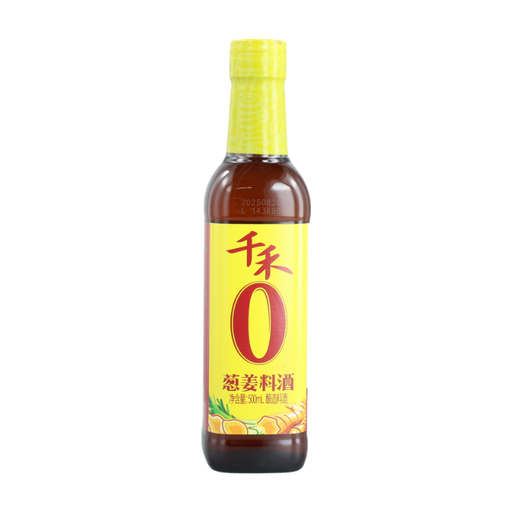
Why It Stands Out: Qian He is a brand known for its commitment to a "zero addition" philosophy. This cooking wine stands out for its remarkably clean ingredient list: just Cooking Wine (Water, Rice), Spring Onion and Ginger. It contains no artificial colours, flavours or preservatives. This focus on natural ingredients results in a pure, authentic flavour that enhances food without adding anything unnecessary. Its very low salt content (0.1g per 100ml) gives the cook complete control over seasoning.
Pros:
Who is it for? This is the ideal choice for the discerning home cook who prioritises clean labels and natural ingredients. If you prefer to build flavours from scratch and control the salt level in your cooking, this product is an excellent fit.
View Qian He Cooking Wine on Joybuy UK
While a good cooking wine is a cornerstone of Asian cooking, the foundation of many dishes starts with the right oil. The choice of oil can affect everything from the searing temperature of your stir-fry to the subtle background notes of a dressing.
If you are looking to round out your pantry, feel free to browse our curated selection of vegetable cooking oil, where you can find options suited for high-heat cooking, dressings and everything in between.
Explore Our Vegetable Cooking Oil Collection
1. What is the difference between ginger and scallion cooking wine and regular Shaoxing wine? Regular Shaoxing wine is a foundational Chinese cooking wine known for its complex, slightly sweet flavour. Ginger and scallion cooking wine is a specialised version of liaojiu (cooking wine) that has been pre-infused with these two key aromatics. It's a convenient two-in-one product designed specifically to save you a preparation step when your primary goal is to remove odours and add a fresh, aromatic note to meat and fish.
2. How do I use this wine to remove the fishy smell from seafood? It's a simple and effective process. For a typical 500g portion of fish fillets or prawns, add 1-2 tablespoons of the ginger and scallion cooking wine to a bowl. You can also add a pinch of salt and white pepper. Gently mix to coat the seafood and let it marinate for 15-20 minutes before cooking. The alcohol and aromatics will work together to neutralise odours.
3. Can I use this Asian cooking wine in non-Chinese dishes? Absolutely. Its core function is to tenderise protein and reduce gamey or fishy notes. You could add a splash to a marinade for lamb chops, use it to deglaze a pan when making a chicken stew, or add it to the liquid for steaming mussels. It adds a subtle, savoury depth that can complement many Western dishes as well.