
24/7 Customer Support

Free returns

Same-day & Next-day Delivery

Quality Guaranteed

Unlock Your Welcome Offers: FREE Delivery | Up to 80% OFF | Free 30-day JoyPlus trial
Download the APP
As a dog owner, you want what’s best for your companion. So, when you notice persistent scratching, a dull coat or digestive troubles, it’s natural to look at their diet. For many in the UK, the search leads them to grain free dog food. But with so many options available, how do you choose a food that genuinely supports your dog's well-being?
Navigating the world of specialised dog nutrition can feel overwhelming. This guide is designed to cut through the clutter. As the Joybuy Product Recommendation Officer, my role is to provide clear, practical information to help you select a suitable food for your dog's needs, whether they require hypoallergenic dog food or simply a high-quality, natural diet.
Before we look at specific products, let's cover a few key points to consider during your search. Understanding these will help you read labels with confidence and make an informed choice.
A key indicator of a quality natural dry dog food is the first ingredient on the list. Look for a clearly named meat or fish source, such as "Salmon," "Chicken" or "Lamb," rather than vague terms like "meat and animal derivatives." A high-quality protein source is fundamental for muscle maintenance, energy and overall health. For dogs with specific sensitivities, a single-source protein like salmon dog food can be particularly beneficial.
The term "hypoallergenic" simply means the food is formulated to reduce the risk of an allergic reaction. These recipes typically exclude common triggers like wheat, gluten, soy, dairy and sometimes beef or chicken. If your dog has a dog food for sensitive stomachs, a hypoallergenic, grain-free formula can be a gentle and effective option by removing potential irritants from their diet.
Grain-free foods don't eliminate carbohydrates; they just use alternative sources. Instead of wheat, corn or rice, you'll find ingredients like sweet potato, potato, peas and lentils. These are complex carbohydrates that provide sustained energy and are often easier for sensitive dogs to digest.
Based on their ingredient profiles and formulation focus, here are a few standout options available in the UK market.
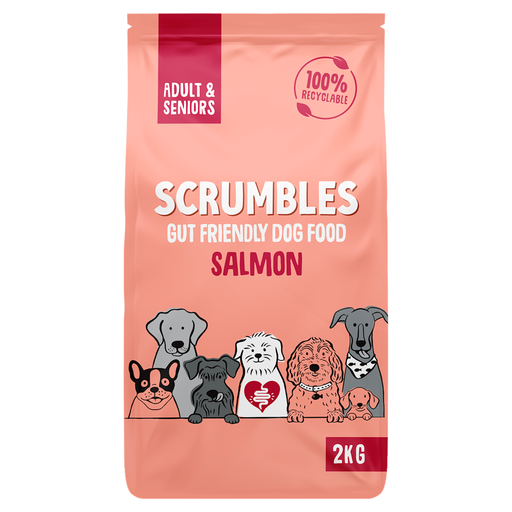
Why It Stands Out: This Scrumbles dog food is specifically formulated with digestive health at its core. The recipe is not only grain-free but also poultry-free, making it a strong choice for dogs with multiple sensitivities. Its standout feature is the inclusion of 1 billion live bacteria (probiotics) to support a healthy gut, which is often the root of many skin and digestive issues. The food is also gently cooked at low temperatures to help preserve nutrients and flavour.
Pros:
Who is it for? This is an excellent choice for owners of adult dogs with particularly sensitive stomachs or known poultry allergies. Its focus on gut health makes it ideal for pets prone to digestive upset.
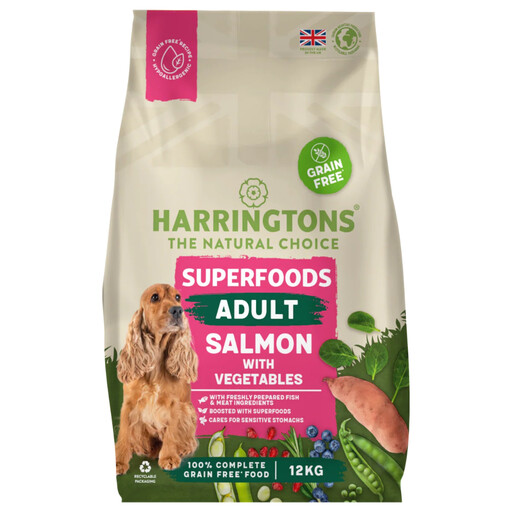
Why It Stands Out: The Harringtons grain free range combines a solid, meat-first nutritional base with a blend of botanicals and "superfoods." This salmon recipe features 30% salmon and chicken, providing a rich source of protein and omega oils. The addition of a superfood blend, including rosemary, spinach and blueberries, provides natural antioxidants to support immune health. It's a well-rounded, natural diet made in the UK.
Pros:
Who is it for? A great all-round option for adult dogs requiring a grain-free diet. It's particularly suited for owners looking for a food that provides balanced nutrition with added functional ingredients for overall vitality, available in a larger, economical bag.
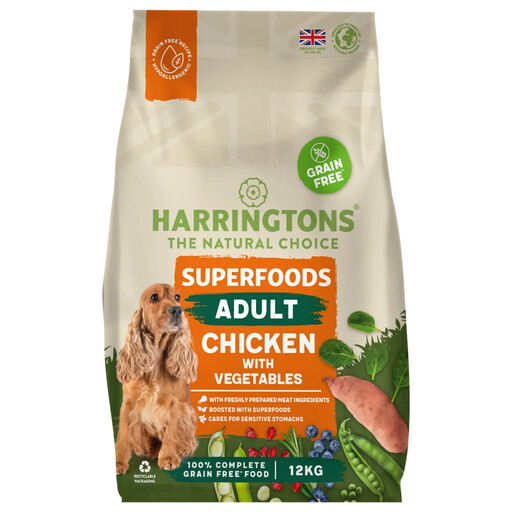
Why It Stands Out: Following the same philosophy as its salmon counterpart, this Harringtons recipe uses 30% chicken as its primary protein source. It offers all the benefits of the superfoods range—including the botanical blend and hypoallergenic properties—but is tailored for dogs that thrive on or prefer poultry. The recipe is balanced to support energy and muscle maintenance, making it a reliable choice for daily feeding.
Pros:
Who is it for? This food is ideal for active adult dogs that do well with chicken-based protein but require a grain-free diet to manage sensitivities. It offers a complete and balanced meal designed for everyday health.
Every dog is an individual, and the perfect food depends on their unique needs and preferences. If your companion favours fish or poultry but you haven't found the ideal match here, there are more recipes to discover.
Explore our wider selection of chicken & salmon dog foods to find their new favourite meal.
1. Is grain-free dog food suitable for every dog? Not necessarily. Grain-free diets are most beneficial for dogs with a diagnosed grain allergy or a clear sensitivity. Many dogs digest grains perfectly well. If you suspect a food allergy, it is always best to consult your vet to determine the most appropriate dietary path for your pet.
2. What are the signs my dog might need a dog food for sensitive stomachs? Common indicators can include chronic loose stools or diarrhoea, excessive wind, frequent vomiting and persistent skin issues like itching, redness or hot spots. While switching to a hypoallergenic dog food can help, these symptoms warrant a veterinary check-up to rule out other health conditions.
3. How should I switch my dog to a new grain-free food? A gradual transition is key to avoiding digestive upset. Over a period of 7-10 days, slowly mix the new food in with their old food. Start with about 25% new food and 75% old, and gradually increase the proportion of the new food every couple of days until you are feeding 100% of the new diet. Always ensure fresh water is available.