
24/7 Customer Support

Free returns

Same-day & Next-day Delivery

Quality Guaranteed

Unlock Your Welcome Offers: FREE Delivery | Up to 80% OFF | Free 30-day JoyPlus trial
Download the APP
As a Joybuy Product Recommendation Officer, my role is to help you navigate the crowded shelves and find products that genuinely deliver. When it comes to green tea, the options can be overwhelming. From convenient bottles to traditional tea bags, it’s easy to end up with a product that doesn’t meet your expectations. This guide will help you sidestep common purchasing mistakes and identify the key features of a quality green tea.
Many of us reach for green tea as a healthier alternative to sugary soft drinks, only to be let down. Before you add anything to your basket, be aware of these frequent traps:
To ensure you’re getting a refreshing and satisfying product, focus on these three non-negotiable points.
For those seeking a genuinely healthy option, this is the most important factor. Always check the nutritional information on the label. A true sugar free iced tea or zero calorie tea will clearly state "0g of sugars" and have a minimal calorie count. Unsweetened teas should have an ingredient list free of sugar, corn syrup, fructose or artificial sweeteners. If you prefer a hint of sweetness, look for products that use natural, non-caloric sweeteners.
Your lifestyle will often dictate the best format for you.
A quality green tea product doesn't need a long list of ingredients. For organic green tea bags, the list should ideally contain one item: "Green Tea." For RTD beverages, a short list like "Water, Green Tea, Ascorbic Acid (Vitamin C)" is a positive sign. The vitamin C is often added as a natural preservative to maintain the tea's colour and freshness. The fewer unpronounceable additives, the better.
To help you choose, we've matched some excellent options to different needs and preferences.
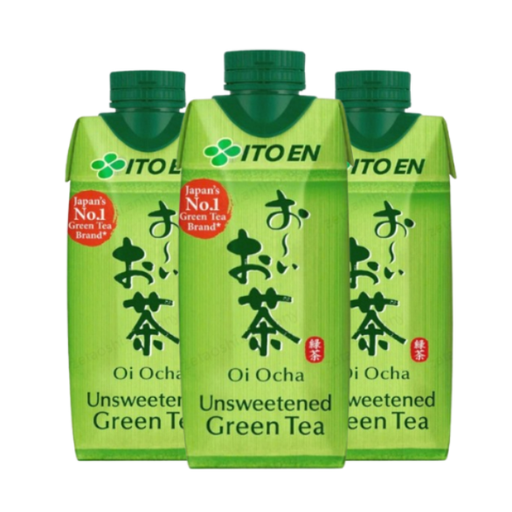
Why This Fits Their Persona: This is the ultimate grab-and-go option for busy professionals in the UK who need a clean, refreshing drink without a sugar crash. The 330ml bottle is perfectly sized for a commute, a lunch pack or a desk-side hydrator.
It directly counters the "healthy sugar trap" by being completely unsweetened. The ingredient list is simple: water, green tea and vitamin C. It is a genuine Japanese green tea, not a flavoured imitation.
Authentic, pure green tea flavour with no additives. It offers the true taste of brewed Japanese green tea with maximum convenience.
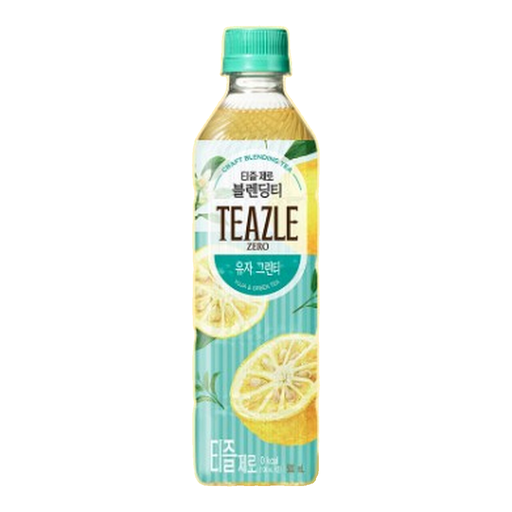
Why This Fits Their Persona: For those who find plain green tea a bit monotonous but still want a healthy drink. This authentic Korean iced tea blends green tea with Yuja (citron), offering a zesty, refreshing flavour profile that's a world away from overly sweet soft drinks.
This is a zero calorie and sugar free drink, completely avoiding the hidden sugar trap. It also delivers an authentic Korean flavour experience, using a traditional ingredient rather than generic "citrus flavouring."
It provides a vibrant, complex flavour without any calories or sugar. The blend is crafted by tea masters for a smooth, balanced taste.
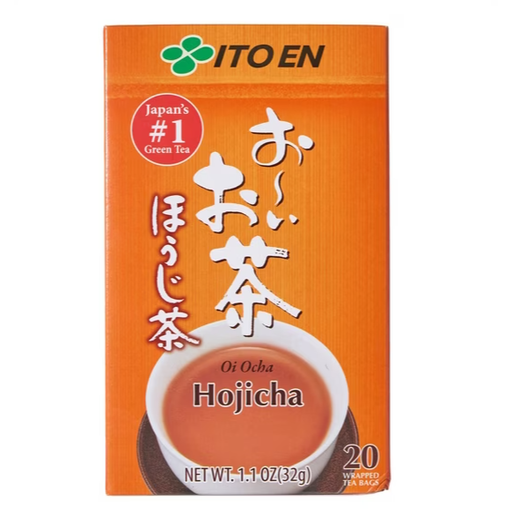
Why This Fits Their Persona: For the tea drinker who enjoys the ritual of brewing and wants to explore different profiles. Hojicha offers a unique, comforting experience with its nutty, roasted notes and lower caffeine, making it perfect for a relaxing afternoon or evening brew at home.
This product sidesteps the "low-grade tea bag" trap by using first-flush Japanese green tea leaves in triangular nylon bags, which allow for superior flavour extraction compared to flat paper bags.
It delivers a distinct, café-quality roasted flavour that is difficult to find in standard supermarket teas. It's also versatile, suitable for hot, cold or latte preparations.
We have compiled a complete, real-time list of products that fully satisfy these strict selection criteria and UK safety regulations.
It can be, provided you choose the right product. High-quality RTD teas that are properly brewed and bottled with minimal ingredients can offer a flavour very close to a fresh brew, with the added benefit of convenience. The key is to check the ingredient list for real tea rather than just extracts and flavourings. Freshly brewed tea, however, will always give you ultimate control over water temperature and steeping time.
While there are many varieties within each country, a general distinction lies in the initial processing. Many Japanese green tea types, like Sencha, are steamed after harvesting. This method halts oxidation and tends to produce a brighter green colour and a more vegetal, fresh and sometimes marine-like flavour. In contrast, many Korean green teas are pan-fired, a process that imparts a nuttier, more rounded and toasted character to the leaves.
Hojicha is a type of Japanese green tea that is distinguished by its roasting process. After the leaves are steamed, they are roasted over charcoal at a high temperature. This changes the leaves to a reddish-brown colour and transforms the flavour, removing most of the bitterness and creating a rich, nutty and slightly smoky taste. A significant benefit of this process is that it lowers the caffeine content, making hojicha a soothing choice that can be enjoyed at any time of day, even in the evening.