Everyday top-up shoppers
If you are replacing a regular coffee, check that the new blend suits your brewer and that its pack size fits how quickly you use ground coffee.


For a ground-coffee top-up, choose a blend labelled for your brewer before deciding on roast or flavour: coffee intended for a cafetière or filter is not automatically suitable for a moka pot or an espresso machine that accepts ground coffee. Then choose a pack size you expect to use after opening, and check the pack’s storage instructions.
The brewer you already use is the starting point for a quick replacement purchase.
If you are replacing a regular coffee, check that the new blend suits your brewer and that its pack size fits how quickly you use ground coffee.
Look for coffee labelled for cafetière or filter preparation rather than choosing by roast name alone. Taylors of Harrogate describes its ground range as pre-ground for those methods.
Check the stated preparation method on the specific pack. Lavazza says its blends are ground for their intended methods, while illy lists separate moka-pot, espresso and filter products.
Start with the brewing instructions, then narrow the choice by flavour, caffeine preference and the amount you will use.
| Priority | What to check | Your needs |
|---|---|---|
| Brewer fit | Read the pack’s preparation guidance and grind description. Check your machine’s instructions if it accepts pre-ground coffee. | I use a cafetière, filter machine, moka pot or espresso machine and want coffee labelled for that method. |
| Flavour profile | Read the roast and tasting notes. Use an intensity number to compare products within the same brand range, not as a scale shared by all brands. | I want a familiar everyday flavour, or I am deliberately choosing a darker or more intense profile. Taylors describes Rich Italian as rich and smooth, with chocolate, nut and citrus notes. |
| Decaffeinated choice | Look for decaffeinated labelling, then check the intended brewing method. Rombouts specifies its decaffeinated ground coffee for cafetières, filter machines and filter cones. | When I want decaffeinated ground coffee, I still need a product that suits my brewer. |
| Pack size | Check the stated weight and consider how quickly you will finish the coffee after opening. | A smaller top-up suits me if a larger pack would stay open for longer than I expect to use it. |
| Storage | Follow the specific pack instructions after opening. Lavazza recommends resealing its coffee carefully and keeping it in a cool, dry place. | I want a pack I can store as directed between cups. |
Ground coffees are labelled for different preparation methods. A cafetière or filter product should not be assumed suitable for a moka pot or an espresso machine that accepts ground coffee.
Check the preparation method on the specific pack before choosing its roast or flavour.
An intensity number describes a product within its brand’s range; the supplied brand ranges do not establish a shared scale.
Use roast descriptions and tasting notes when comparing different brands, and check brewing suitability separately.
Lavazza advises careful resealing and cool, dry storage to preserve the quality of its ground coffee.
Follow your pack’s instructions after opening, including any product-specific storage directions.
These ranges offer different ways to narrow a ground-coffee choice; check the instructions on the particular product rather than assuming every coffee from a brand suits your brewer.
Its UK ground-coffee range includes products intended for espresso, moka-pot and filter preparation.
Illy’s UK listings separate ground coffees for espresso, moka pots and filter preparation, alongside Classico, Intenso and decaffeinated choices.
Taylors describes its ground-coffee range as pre-ground for cafetière and filter preparation.
Rombouts specifies its decaffeinated, medium-ground 250 g coffee for cafetières, filter machines and filter cones.
Tesco lists several 227 g Finest roast-and-ground coffees identified by origin.
These options include loose ground blends for stated brewing methods and a pre-portioned one-cup filter. Check the format as well as the brewer instructions before choosing a top-up.
 No image available
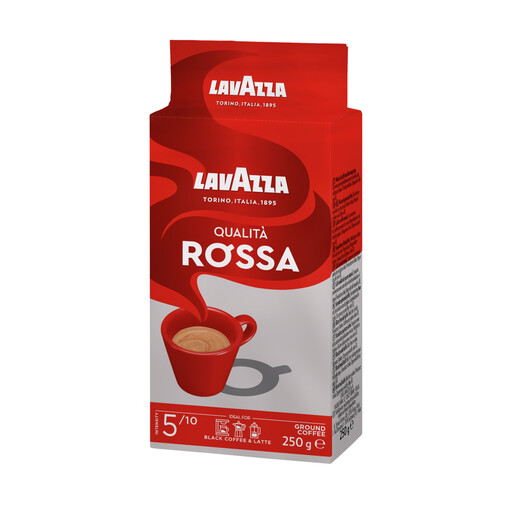
A 250 g loose ground-coffee blend for a smaller top-up. The product information identifies Arabica and Robusta beans and states moka-pot and filter preparation; check the pack’s instructions for your brewer.
 No image available
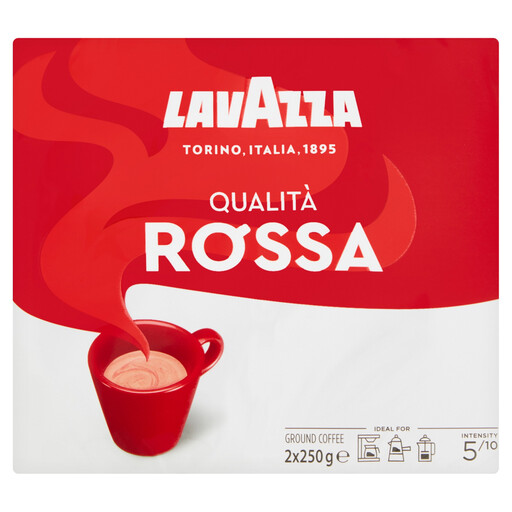
This 500 g Arabica and Robusta ground-coffee blend has stated moka-pot and filter preparation. Consider how quickly you will use the larger pack after opening, and follow its storage instructions.
 No image available
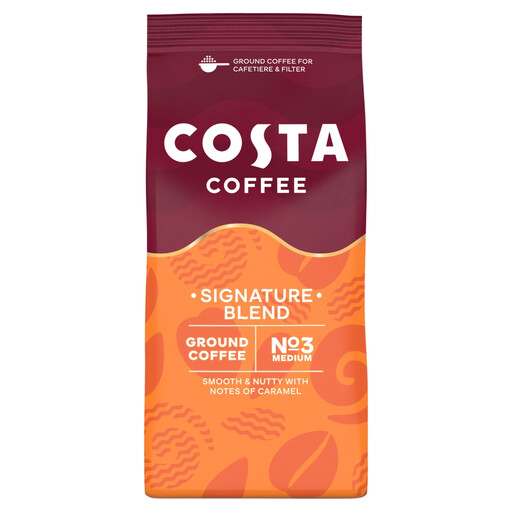
A 200 g ground blend described for cafetière and filter preparation, with a No. 3 medium grind. Its listing instructs shoppers to keep the opened coffee in an airtight container in the fridge and use it within two weeks; check the pack directions before choosing it.
 No image available
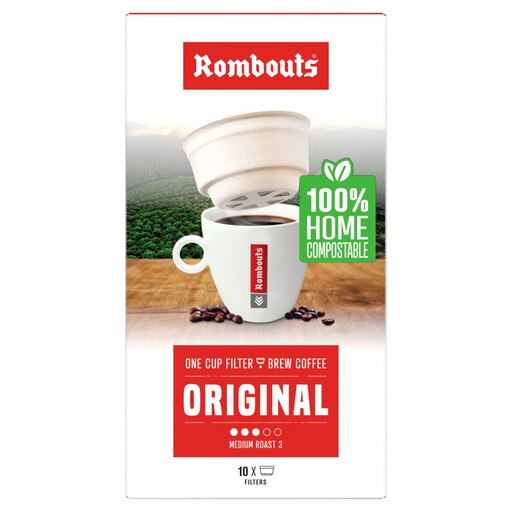
This 70 g product uses pre-portioned one-cup filters containing ground coffee. It is a different format from loose ground coffee, so check that a one-cup filter fits the way you intend to make coffee.
 No image available
A 200 g pack of the Rich Italian ground blend, which Taylors describes as rich and smooth with chocolate, nut and citrus notes. Taylors describes its ground range as suitable for cafetière and filter, but this product’s description also suggests espresso-style use; check the pack instructions for your brewer before buying.
Do not assume that one grind suits every method. Check the pack: Taylors describes its ground range for cafetière and filter, while illy lists separate ground products for espresso, moka pots and filter coffee.
An intensity number does not establish caffeine content. Treat it as a flavour guide within that brand’s range, and look for explicit decaffeinated labelling when that is the type of coffee you want.
Follow the instructions on your pack. Lavazza recommends careful resealing and a cool, dry place; individual products may specify different arrangements after opening.
No. GOV.UK explains that a best-before date concerns food quality, whereas a use-by date concerns food safety. Check the label for the product’s storage instructions as well.
Choose a pack size that fits how quickly you expect to use the coffee after opening. A larger pack gives you more coffee, but you will still need to follow its storage instructions for as long as it remains open.