
24/7 Customer Support

Free returns

Same-day & Next-day Delivery

Quality Guaranteed

Unlock Your Welcome Offers: FREE Delivery | Up to 80% OFF | Free 30-day JoyPlus trial
Download the APP
Finding a great bag of ground coffee can feel like navigating a minefield. The shelves are packed with options promising a café-quality experience at home, yet the reality is often a cup that’s disappointingly bitter, weak or simply not to your taste. As a Product Recommendation Officer, I see where UK shoppers often go wrong, drawn in by clever marketing rather than focusing on what truly matters for a satisfying brew.
Before you spend another penny on coffee that ends up at the back of the cupboard, let’s look at the common pitfalls.
To avoid these traps, you only need to check a few key details on the packaging. Focusing on these objective factors will give you a much clearer idea of the coffee inside.
The roast level is the single biggest influence on a coffee's flavour. Roasters typically classify their coffee into three main categories:
The grind must match your brewing method. Look for specific recommendations on the packaging.
Most coffee is made from either Arabica or Robusta beans, or a blend of the two.
Based on these practical criteria, here are a few recommendations matched to different needs and preferences.
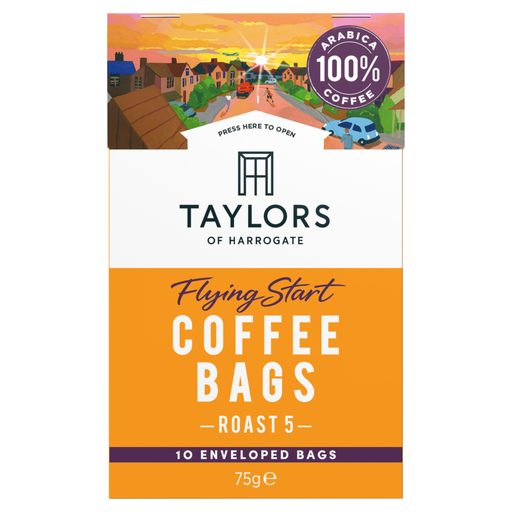
Why This Fits Their Persona: For those with busy mornings, the faff of grinding beans or cleaning a cafetière is a non-starter. These coffee bags offer a proper ground coffee experience with the simplicity of making a cup of tea, perfect for the office or a quick start at home.
It completely bypasses the 'wrong grind' pitfall. The coffee is pre-portioned and sealed in a bag designed for optimal infusion, eliminating guesswork and mess.
Unmatched convenience with zero equipment needed beyond a mug and hot water. The individually wrapped bags maintain freshness.

Why This Fits Their Persona: This person loves the ritual and flavour of a good coffee after dinner or in the late afternoon but is sensitive to caffeine. They need a decaf ground coffee that doesn't compromise on taste.
It avoids the trap of flavourless decaf. By using a natural water decaffeination method and a medium roast (level 4), it retains the smooth caramel and malt notes of the Arabica beans.
Delivers a genuinely flavourful, balanced cup without the caffeine. The grind is suitable for both cafetières and filter machines.
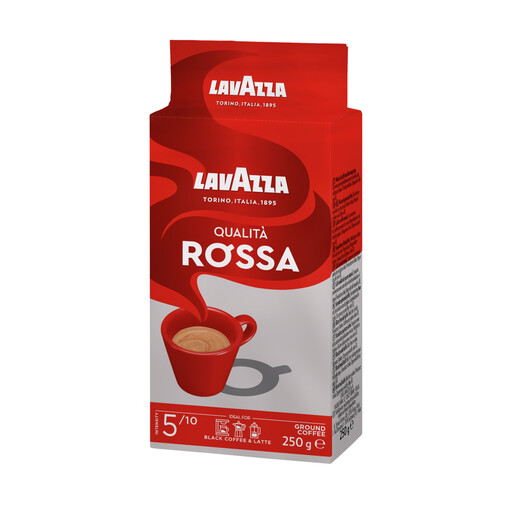
Why This Fits Their Persona: This user appreciates the authentic, rich taste of a classic Italian coffee. They likely use a moka pot or cafetière and want a reliable, full-bodied blend that embodies the Italian coffee-drinking tradition.
It avoids the vague flavour profile trap by being an iconic, consistent blend. The mix of South American Arabica and African Robusta beans provides a well-defined, balanced and rich flavour that is recognisable and dependable.
A versatile and authentic Italian blend that performs well in multiple brewers, delivering a golden crema and a warm, full-bodied character.
We have compiled a complete, real-time list of products that fully satisfy these strict selection criteria and UK safety regulations.
Once opened, the key is to minimise exposure to air, moisture, heat and light. The best method is to store the coffee in an airtight container in a cool, dark cupboard. Avoid storing it in the fridge or freezer, as condensation can form and negatively affect the flavour and aroma. Aim to use the coffee within two weeks of opening for optimal taste.
It is not recommended. Espresso ground coffee is very fine, and when used in a cafetière with its longer brewing time, it will over-extract, leading to a very bitter taste. Furthermore, the fine particles will likely pass through the metal mesh filter, leaving you with a thick, unpleasant sediment at the bottom of your cup. Always match the grind to your brewer.
The primary advantage of coffee bags is convenience. They offer the flavour of real ground coffee without any of the mess or the need for specific brewing equipment like a cafetière or filter machine. They are pre-portioned, individually sealed for freshness, and as easy to use as a teabag, making them an excellent choice for work, travel or a quick, fuss-free cup at home.