
24/7 Customer Support

Free returns

Same-day & Next-day Delivery

Quality Guaranteed

Unlock Your Welcome Offers: FREE Delivery | Up to 80% OFF | Free 30-day JoyPlus trial
Download the APP
Navigating the hair care aisle can feel overwhelming. With countless bottles promising miraculous transformations, it's easy to end up with a product that doesn't suit your hair or your budget. As a Joybuy Product Recommendation Officer, my role is to help you see past the marketing jargon and make informed choices. Many of us have been caught out by common purchasing pitfalls that lead to disappointment and wasted money.
Before you buy another bottle, let's look at a few frequent traps to avoid:
repair conditioner.sulfate-free conditioner options has been significant, particularly for those with sensitive scalps or conditioner for coloured hair. However, it's not a universal necessity. Some sulfate-free formulas can be less effective at removing build-up, while others use alternative cleansing agents that can still be stripping. The key is finding a formula that cleanses and conditions appropriately for your specific hair needs.To choose a hair conditioner that genuinely works for you, focus on two core parameters: your hair's specific needs and the ingredients designed to meet them.
Your hair type is the most critical factor. A product designed for fine, straight hair will likely weigh down curls, while a lightweight formula may not be enough for coarse, dry hair.
hydrating conditioner rich in emollients like shea butter, coconut oil or argan oil. These ingredients help to smooth the hair's outer layer (the cuticle) and lock in moisture.volumising conditioner is your goal. These typically contain lightweight ingredients that won't weigh strands down. Some use specific polymers or proteins to create space between hair fibres, giving the appearance of more body.conditioner for coloured hair, which are often gentler and may contain UV filters.conditioner for curly hair should be rich in moisturising agents and provide plenty of "slip" to make detangling easier and prevent breakage. Many people with curly hair find success with silicone-free and sulfate-free formulas.Beyond the marketing claims, the ingredient list tells the real story. Here are a few key players to look for:
hydrating conditioner.repair conditioner.Based on these practical criteria, here are a few conditioners matched to specific user needs.
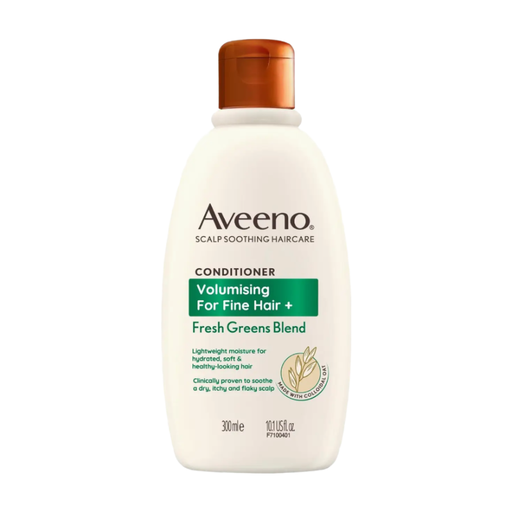
Why This Fits Their Persona: Ideal for the UK user with fine, flat hair who also experiences scalp sensitivity. It provides lightweight moisture for daily use without causing build-up or weighing hair down, a common issue with standard conditioners.
It avoids the "miracle ingredient" trap by focusing on a well-established primary ingredient, colloidal oat, known for its soothing properties. The benefit is tangible (volume and scalp comfort) rather than a vague "repair" claim.
The pH-balanced, sulfate-free formula is gentle on sensitive scalps while delivering lightweight volume. The blend of cucumber, rosemary and peppermint provides a refreshing feel.
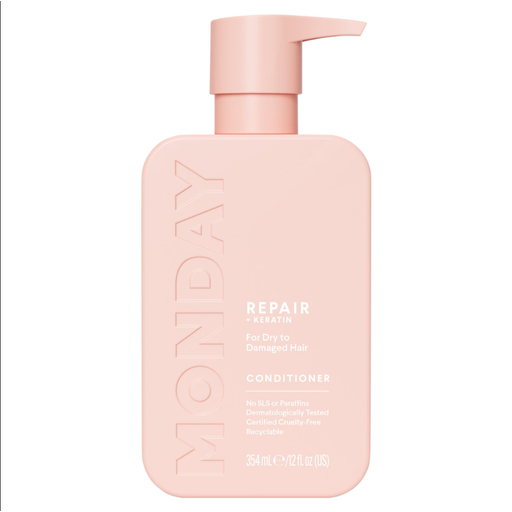
Why This Fits Their Persona: A great fit for someone dealing with the consequences of heat styling or chemical treatments. This user needs a balance of strengthening and deep hydration to improve hair's texture and resilience.
It sidesteps the vague "repair" promise by being transparent about its key functional ingredients. It uses Hydrolysed Keratin to help strengthen, and a blend of nourishing oils and butters to moisturise, addressing the two main needs of damaged hair.
This formula is pH balanced and free from parabens and sulfates. The inclusion of both protein (keratin) and rich emollients (Coconut Oil, Shea Butter) provides a comprehensive approach to managing dry, damaged hair.
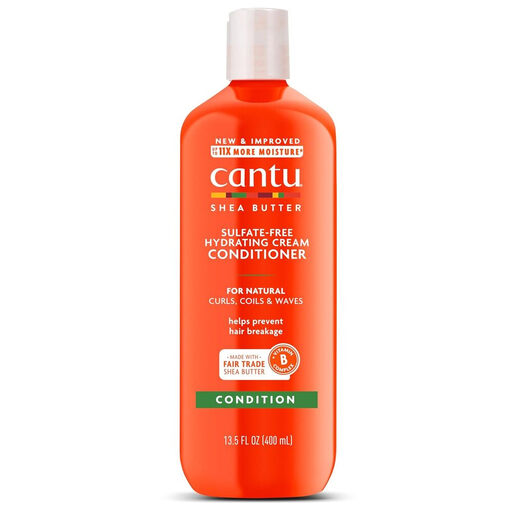
Why This Fits Their Persona: A staple for those with curly, coily or wavy hair in the UK who prioritise intense moisture and frizz control. This user understands that their hair type needs rich formulas to maintain definition and health.
It avoids the "one-size-fits-all" trap by being specifically formulated for textured hair. Its purpose is clear: to provide hydration and help hair retain its natural oils, which is a core principle of curly hair care, rather than making broad, unspecific claims.
The formula is rich in Shea Butter, a powerful emollient that moisturises and smooths. Being sulfate-free, it cleanses without stripping the natural oils essential for healthy curls.
We have compiled a complete, real-time list of products that fully satisfy these strict selection criteria and UK safety regulations.
For most hair types, it is advisable to focus conditioner on the mid-lengths and ends of your hair. These are the oldest and typically most damaged parts that need the most moisture. Applying a rich conditioner directly to the scalp can sometimes weigh down roots and lead to greasiness, especially for those with fine or oily hair. The exception is for products specifically formulated as scalp treatments or co-washes.
A rinse-out conditioner is the traditional type you use in the shower after shampooing. Its primary functions are to smooth the hair cuticle, detangle and provide a dose of moisture before being washed out. A leave-in conditioner is a lighter, post-shower styling product that is not rinsed out. It provides continuous moisture, helps to control frizz and can offer protection from heat and environmental factors throughout the day.
Generally, you should use a rinse-out conditioner every time you wash your hair to replenish moisture and smooth the cuticle that the shampoo has cleansed. The frequency of washing itself depends on your hair type—oily hair may need washing every day or two, while very dry or curly hair might go longer. Deep conditioners or treatment masks are more intensive and are typically used once a week or as needed for an extra boost of hydration or protein.