
24/7 Customer Support

Free returns

Same-day & Next-day Delivery

Quality Guaranteed

Unlock Your Welcome Offers: FREE Delivery | Up to 80% OFF | Free 30-day JoyPlus trial
Download the APP
Finding the right hair conditioner can feel like a lottery. You are promised silky, manageable hair, but often end up with locks that are either weighed down and greasy or just as dry and frizzy as before. The aisles are filled with options, but navigating the marketing claims to find a product that genuinely suits your hair type and concerns is a common challenge for UK shoppers.
As a Joybuy Product Recommendation Officer, my role is to help you see past the hype. Many of us have been caught out by conditioners that do not live up to their promises. Before you make another purchase, let’s look at the common pitfalls that lead to disappointment and wasted money.
To ensure your conditioner works for you, not against you, focus on these core parameters. Matching the formula to your hair's specific needs is the most critical step.
Your hair's texture and condition dictate the type of conditioner you need. A targeted approach yields far better results than a generic one.
Knowing what is inside the bottle helps you align the product with your goals.
Most conditioners are rinse-out formulas used in the shower. However, a leave in conditioner serves a different purpose. It is a lighter, post-wash styling product sprayed onto damp hair to provide continuous moisture, detangle and control frizz throughout the day. It is an excellent addition for those with particularly dry, tangled or frizzy hair.
Instead of a generic list, we have matched some standout conditioners to specific user needs, helping you find a formula that addresses your primary hair concerns.
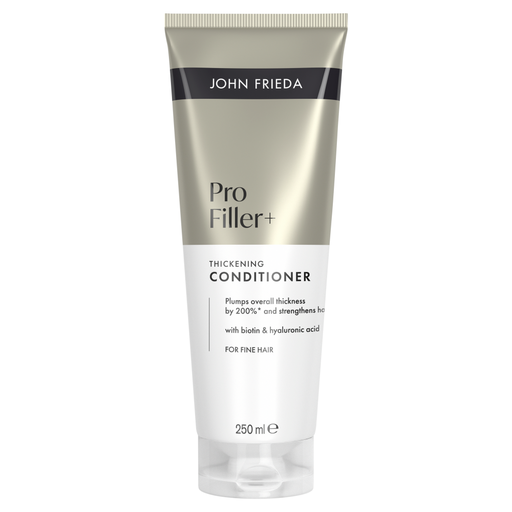
Why This Fits Their Persona: This user needs volume and body without the heavy residue that makes fine hair look flat and greasy. This conditioner is specifically designed to hydrate and strengthen while creating a fuller appearance.
It directly counters the "one-size-fits-all" trap with its targeted, lightweight formula. Being silicone-free, it also avoids the issue of product build-up that weighs fine hair down.
Infused with Biotin for strength and Hyaluronic Acid for weightless hydration, it addresses both thickness and hair health.
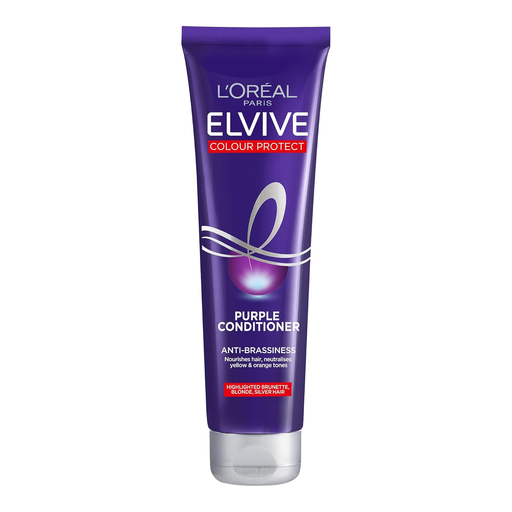
Why This Fits Their Persona: Anyone with blonde, bleached, highlighted or grey hair knows the struggle against brassiness. This user needs a product that not only conditions but actively maintains their cool, vibrant tone between salon visits.
This is the opposite of a colour-stripping conditioner. Its primary function is colour correction, using purple pigments to neutralise unwanted yellow and orange tones, thus protecting the hair colour.
It is specifically formulated with purple pigments for instant tonal correction while also providing the nourishment that colour-treated hair requires.
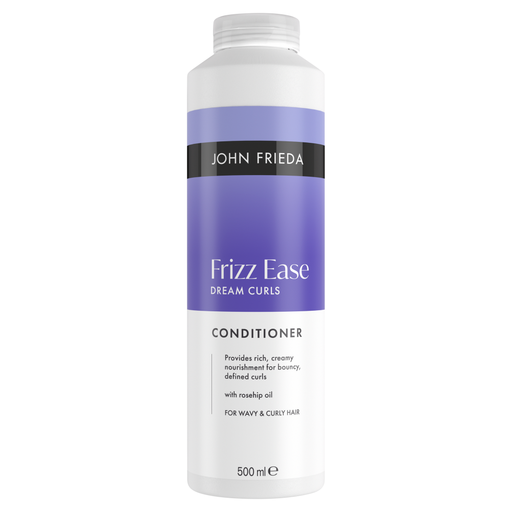
Why This Fits Their Persona: This individual struggles with undefined, frizzy curls that lack moisture. They need a rich, hydrating conditioner that detangles, defines their curl pattern and provides a smooth, healthy-looking finish.
Unlike a generic conditioner that fails to provide enough moisture for curls, this formula is specifically designed with a rich texture that absorbs into the hair to provide the intense hydration needed to combat frizz.
It is enriched with Rosehip Oil and features Curl-Enhancing Technology to deeply hydrate, detangle and define curls from root to tip.
We have compiled a complete, real-time list of products that fully satisfy these strict selection criteria and UK safety regulations.
For most people, using a purple conditioner for blonde hair once a week is sufficient to keep brassiness at bay without depositing too much violet tone. It should be used to complement your regular hydrating or conditioner for coloured hair, not as a complete replacement.
Yes, you can, but it is important to check that the product is explicitly marked as "safe for colour-treated hair". Many modern formulas are designed to be multi-functional. For example, a thickening conditioner may also contain gentle, colour-safe ingredients to ensure it provides volume without stripping your hair dye. Always check the label.
A rinse-out conditioner is the traditional type you use in the shower after shampooing. It is generally thicker and designed to smooth the hair cuticle, detangle and provide a dose of moisture before being rinsed away. A leave in conditioner is a much lighter, post-wash treatment that is sprayed or worked through damp hair and left in. Its purpose is to provide lasting hydration, protect from heat styling and control frizz throughout the day.