
24/7 Customer Support

Free returns

Same-day & Next-day Delivery

Quality Guaranteed

Unlock Your Welcome Offers: FREE Delivery | Up to 80% OFF | Free 30-day JoyPlus trial
Download the APP
Navigating the hair care aisle can feel overwhelming. With countless bottles promising miraculous transformations, it's easy to end up with a product that doesn't live up to the hype, leaving your hair—and your wallet—feeling lacklustre. As a Joybuy Product Recommendation Officer, my role is to help you see past the marketing jargon and make informed choices. Let's look at the common pitfalls many UK shoppers face when buying a hair conditioner and how to avoid them.
The "One-Size-Fits-All" Myth: Many conditioners claim to be suitable for "all hair types." While versatile, these formulas often fall short. For those with fine hair, they can be too heavy, leading to flat, greasy-looking locks. For those with very dry or curly hair, they may not provide the intense hydration needed, resulting in persistent frizz and brittleness. You end up with a product that isn't quite right for anyone.
The Silicone Illusion: Silicones are common in conditioners because they provide an instant slip and shine, making hair feel smooth. However, certain types of non-water-soluble silicones can build up on the hair shaft over time. This coating can prevent moisture and nourishing ingredients from penetrating the hair, eventually leading to dryness and dullness underneath the artificial sheen. It’s a short-term fix that can create a long-term problem.
To find a conditioner that truly works for you, focus on the formulation, not just the front-of-bottle claims. Here are the two most important parameters to consider.
The first step is to honestly assess your hair. What is its main challenge? Your answer will guide you to the right category of conditioner.
Not all conditioners are used the same way. Knowing the difference is key to building an effective routine.
Based on these practical criteria, we've matched a few standout options to common UK user profiles.
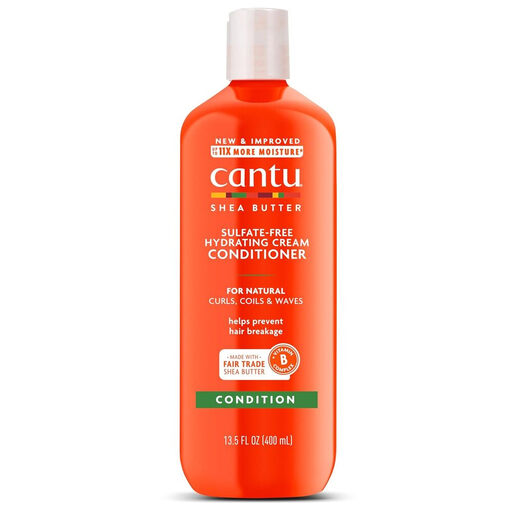
Why This Fits Their Persona: This user prioritises ingredients that enhance their natural hair texture without stripping it. This conditioner is specifically designed for curly, coily and wavy hair, providing the rich moisture needed to define curls and reduce frizz.
It directly avoids the "silicone illusion" and harsh chemical trap. The formula is free from sulphates, silicones, parabens and mineral oil, helping hair retain its natural oils rather than creating an artificial coating.
Its unique sulphate-free formula with pure shea butter deeply moisturises dry, brittle hair and helps protect against split ends.
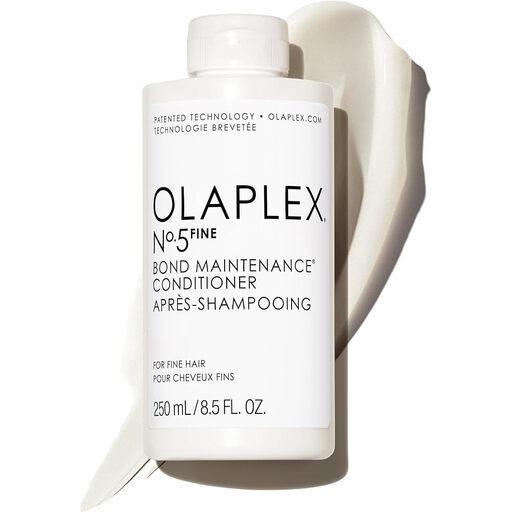
Why This Fits Their Persona: This user is tired of conditioners that promise softness but deliver flat, heavy hair. They need a product that hydrates and detangles without sacrificing volume, a common struggle for those with fine hair.
This is the antithesis of a "one-size-fits-all" product. It is specifically formulated to be a volumising conditioner for fine hair, providing hydration and repair without any of the weight that causes hair to go limp.
It features bond-repair technology to strengthen fine hair while building lasting volume and body. The formula is weightless, ensuring hair remains bouncy and manageable.
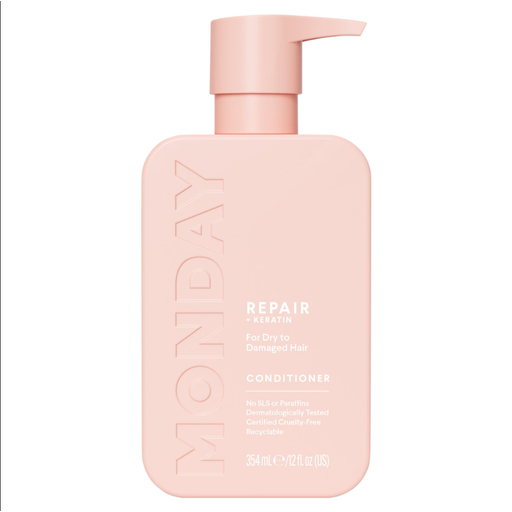
Why This Fits Their Persona: For someone whose hair is showing signs of stress from colouring, heat styling, or environmental factors, a standard conditioner isn't enough. They need a targeted repair conditioner to restore strength and softness.
Instead of vague promises, this conditioner's label highlights its key active ingredients like Hydrolysed Keratin, Coconut Oil and Shea Butter. This transparency allows you to choose based on a powerful, nourishing formulation, not just marketing.
It is pH-balanced, dermatologically tested and free from parabens and sulphates. The formula is designed to deeply hydrate and help protect hair from further damage and breakage.
We have compiled a complete, real-time list of products that fully satisfy these strict selection criteria and UK safety regulations.
For most conditioners, it is best to focus the application from the mid-lengths to the ends of your hair. This is the oldest part of the hair and requires the most moisture. Applying conditioner to the scalp can weigh down roots, especially if you have fine or oily-prone hair. The exception is for specially formulated scalp-soothing conditioners, which are designed to be applied to the scalp to address issues like dryness or itchiness.
For most hair types, using a rinse-out conditioner after every shampoo is recommended to restore moisture and detangle. If your hair is particularly dry, damaged, or curly, you may benefit from incorporating a deep conditioner or hair mask into your routine once a week for an extra boost of nourishment.
A rinse-out conditioner is a creamy, post-shampoo treatment that smooths the hair cuticle and is washed out after a few minutes. A leave-in conditioner is a much lighter product, often a spray or lotion, that is applied to towel-dried hair and is not rinsed out. It provides lasting moisture, helps with styling and offers continuous protection against frizz and environmental damage throughout the day.