
24/7 Customer Support

Free returns

Same-day & Next-day Delivery

Quality Guaranteed

Unlock Your Welcome Offers: FREE Delivery | Up to 80% OFF | Free 30-day JoyPlus trial
Download the APP
Dealing with hair that feels dry, looks dull, or is prone to frizz can be a persistent challenge, especially with the unpredictable UK weather. Heat styling, colouring and even environmental factors can strip hair of its natural moisture, leaving it feeling brittle and difficult to manage. A quality hair mask for dry hair can be a game-changer, offering a more potent dose of hydration and nutrients than a regular conditioner.
This guide is designed to help you navigate the options for an at-home hair repair treatment. We will look at what makes an effective moisturising hair mask and highlight a few products that target specific concerns, from general dryness to damage and frizz.
Finding the right treatment starts with understanding what your hair requires. Here are a few practical points to consider before making a choice.
Is your hair simply thirsty, or is it also showing signs of damage and frizz? The ingredients in a mask are formulated to address different issues.
Many consumers are now looking for products that align with their values. If this is important to you, check the packaging for specific certifications. A vegan hair mask, for example, will be formulated without any animal-derived ingredients or by-products. Certifications from organisations like PETA can also confirm a product's cruelty-free status.
Hair masks vary in their recommended application time. Some are quick, 3-minute treatments perfect for a busy schedule, while others are designed as a more intensive hair mask that can be left on for longer. Consider how much time you are willing to dedicate to your hair care routine to ensure you choose a product you will use consistently.
Here are a few noteworthy options that cater to different types of dry and damaged hair.
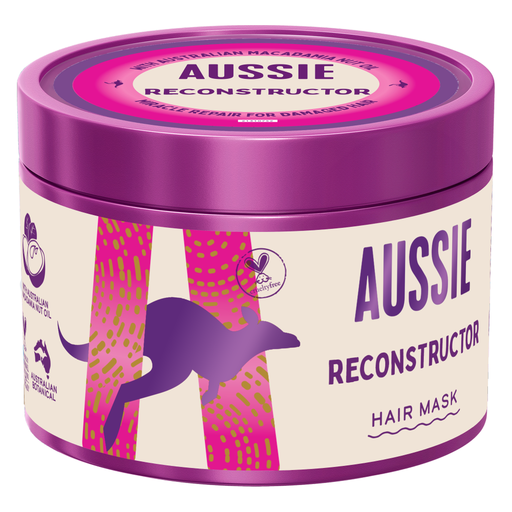
Why It Stands Out: This mask is designed as a rescue remedy for hair that is both dry and damaged. Its formula is infused with Australian Macadamia Nut Oil, an ingredient known for its deep nourishing properties, making it a great option for those seeking a deep conditioning treatment for damaged hair.
Pros:
Who is it for? Ideal for individuals with very dry and damaged hair who also prioritise using vegan and cruelty-free products.
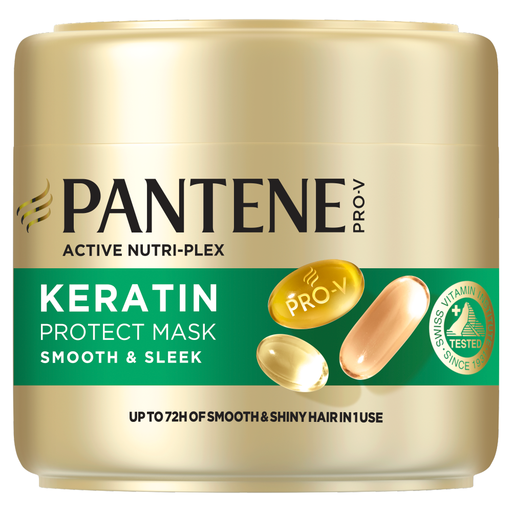
Why It Stands Out: This treatment focuses specifically on tackling frizz. It combines the strengthening benefits of a keratin hair treatment at home with micro-smoothers and Argan oil to help lock out humidity and leave hair feeling sleek and polished.
Pros:
Who is it for? A great choice for those whose main battle is with frizzy, unmanageable hair, particularly in humid conditions.

Why It Stands Out: Taking inspiration from skincare, this hydrating hair mask uses Hyaluronic Acid to deliver a boost of moisture without weighing hair down. It's formulated to coat the hair fibre, locking in hydration for a plumped, bouncy appearance.
Pros:
Who is it for? Perfect for those with dehydrated hair that needs a significant moisture boost without the heavy feeling some intensive masks can leave behind.
These recommendations are a starting point, but every head of hair is unique. If you haven't found the perfect match yet, or if you're curious about other formulations, there are many more products to discover.
Explore our full collection of dry hair treatments to find the right solution for your hair care routine.
1. How often should I use a hair mask for dry hair? For most deep conditioning treatments, using them once or twice a week is sufficient to see benefits. Using a mask too frequently can sometimes weigh hair down, especially if it's fine. Always refer to the specific instructions on the product packaging for the best guidance.
2. What is the difference between a hair mask and a regular conditioner? A conditioner is typically used after every wash to smooth the hair's surface and make it easier to detangle. A hair mask is a more concentrated hair repair treatment formulated with a higher level of nourishing ingredients. It's designed to be used less frequently as an intensive hair mask to address specific concerns like deep-seated dryness, damage, or frizz.
3. Can I leave a hair mask on overnight? While it might seem like a good idea for extra conditioning, it's generally best to follow the manufacturer's recommended time. Most masks are formulated to deliver their key benefits within 5-15 minutes. Leaving certain treatments, particularly those high in protein, on for too long could potentially have the opposite effect and make hair feel stiff.