
24/7 Customer Support

Free returns

Same-day & Next-day Delivery

Quality Guaranteed

Unlock Your Welcome Offers: FREE Delivery | Up to 80% OFF | Free 30-day JoyPlus trial
Download the APP
Dealing with frizzy, unmanageable hair can be a daily frustration, especially with the UK's notoriously unpredictable weather. You reach for a hair oil hoping for a sleek, glossy finish, only to be left with hair that’s either greasy or just as frizzy as before. As the Joybuy Product Recommendation Officer, my role is to help you navigate the crowded market and find a product that genuinely works for your hair type and needs.
Before you add another bottle to your basket, let's look at the common purchasing traps that can lead to disappointment and wasted money.
Navigating the world of hair care can be tricky. Marketing claims often promise miraculous transformations, but the reality can be quite different. Here are three key pitfalls to watch out for when selecting an anti-frizz hair oil.
The most common complaint about hair oils is that they leave hair feeling heavy and greasy, rather than light and shiny. Many products fail to distinguish between providing moisture and simply coating the hair in a heavy film. This is particularly problematic for those with fine hair, where the wrong formula can make hair look limp and unwashed within hours. A good oil should absorb well, leaving hair soft and manageable, not slick and weighed down.
You'll often see a single ingredient, like pure argan oil for hair, promoted as a universal solution for all hair concerns. While certain oils have excellent properties, hair texture and porosity are critical factors. A rich, heavy oil that works wonders on thick, coarse or curly hair can be a disaster for fine, straight hair. Effective hair care is not one-size-fits-all; it requires matching the product's formulation to your specific hair profile.
Silicones often get a bad reputation, leading many brands to heavily market their "silicone-free" status. However, not all silicones are created equal. Lightweight, water-soluble silicones (like Cyclopentasiloxane) are excellent for creating a smooth, protective barrier that tames frizz and adds hair oil for shine without causing build-up. The issue arises with heavier, non-soluble silicones that can accumulate on the hair shaft over time. The key is not to avoid them entirely but to understand which types are beneficial for achieving a smooth and sleek hair oil finish.
To make an informed choice, focus on these core parameters instead of just the marketing buzz.
The foundation of any hair oil is its primary oil blend. Different oils offer different benefits:
When looking for an oil for dry hair in the UK, consider blends that combine these oils with other ingredients to balance nourishment with a lightweight feel.
The texture of the oil is just as important as its ingredients.
Modern hair oils are often multi-functional. Look for formulas that offer additional benefits relevant to your routine, such as:
Based on these practical criteria, here are a few options matched to different user needs and hair types.
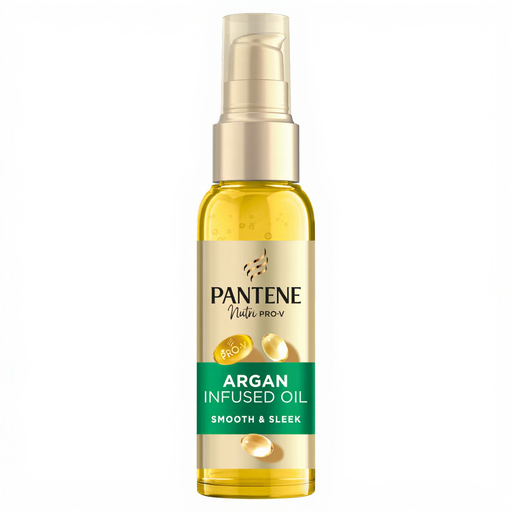
Why This Fits Their Persona: This is a reliable and accessible choice for someone who needs a dependable daily anti-frizz solution without a premium price tag. The Pantene hair oil formula is designed for widespread appeal, focusing on the common UK problem of frizz caused by humidity and styling.
It tackles the "Greasy vs. Glossy" trap by using a blend of silicones (Cyclopentasiloxane, Dimethiconol) that deliver the argan oil effectively and create a silky, non-heavy finish. The brand advises only a small amount is needed, preventing overuse.
The Pro-V formula is designed to nourish and strengthen against styling damage. It can be used on both wet and dry hair, offering versatile frizz control throughout the day.
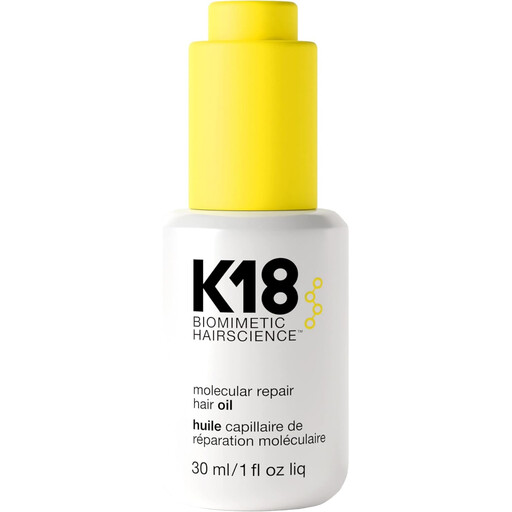
Why This Fits Their Persona: This user is willing to invest in a high-performance product to address significant damage from heat styling or chemical treatments. They are looking for repairing benefits that go beyond simple surface-level smoothing.
It avoids the "One-Size-Fits-All" myth by focusing on a specific problem: molecular repair. The formula is built around a core peptide (sh-Oligopeptide-78) to address damage, complemented by natural oils like avocado and sunflower for nourishment.
The primary benefit is its focus on repairing broken molecular chains in the hair. It's a lightweight, non-sticky oil that works on a deeper level to improve hair health while also providing immediate frizz control and shine.
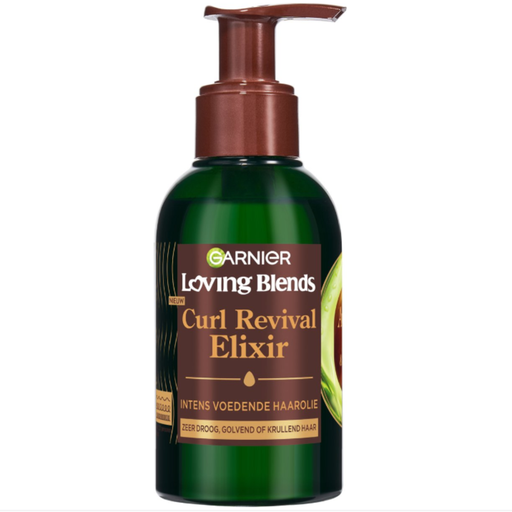
Why This Fits Their Persona: This user has wavy, curly or coily hair and needs a product specifically designed to enhance curl definition, provide deep moisture and fight the frizz that this hair type is prone to. They appreciate versatile products that can be integrated into a multi-step curl care routine.
By explicitly targeting curly and coily hair, it avoids the "One-Size-Fits-All" trap. The formula, rich in Avocado Oil and Shea Butter, provides the intense nourishment that curls need without relying on heavy, non-soluble silicones.
Its multi-use design is a major advantage. It can be used as a pre-wash treatment, mixed into a mask or as a finishing oil, offering great flexibility. The formula is designed to enhance curl definition and restore bounce.
We have compiled a complete, real-time list of products that fully satisfy these strict selection criteria and UK safety regulations.
Yes, absolutely. The key is to choose a lightweight or "dry oil" formula. Apply a very small amount (often just one or two drops) and focus on the mid-lengths and ends of your hair, avoiding the roots completely. Applying to damp hair before blow-drying can also help with even distribution.
This depends on your hair's needs. For daily frizz control, a small amount applied to dry hair in the morning can be effective. For deeper nourishment, you might apply it to damp hair after every wash. For very dry or damaged hair, a more intensive application as a pre-shampoo treatment once a week can be beneficial.
The lines have blurred, but traditionally, hair oils are primarily for nourishment and moisture, using natural oils as their base. Hair serums are often silicone-based and primarily for styling—smoothing the hair cuticle, adding shine and protecting from humidity. Today, many products are hybrids, offering the nourishing benefits of an oil with the smoothing, non-greasy finish of a serum.