
24/7 Customer Support

Free returns

Same-day & Next-day Delivery

Quality Guaranteed

Unlock Your Welcome Offers: FREE Delivery | Up to 80% OFF | Free 30-day JoyPlus trial
Download the APP
Navigating the world of hair care can feel overwhelming. Shelves are lined with bottles all promising shine, smoothness and repair. Yet, many of us in the UK know the familiar story: you buy a promising hair oil or hair serum, and it either leaves your hair greasy within hours or does little to combat the frizz brought on by a damp Tuesday morning. As a Joybuy Product Recommendation Officer, my role is to help you see past the marketing claims and make smarter choices.
Before you spend another pound, let's look at the common purchasing pitfalls that lead to disappointment and a cabinet full of barely-used products.
To avoid these traps, you need to become familiar with what to look for on the ingredient list. Here are the core parameters that separate an effective product from a bottle of marketing fluff.
The first few ingredients tell you everything about a product's primary function.
Look beyond the primary oil for targeted ingredients that address your specific needs.
Based on these practical criteria, here are a few products matched to different user needs and hair types.
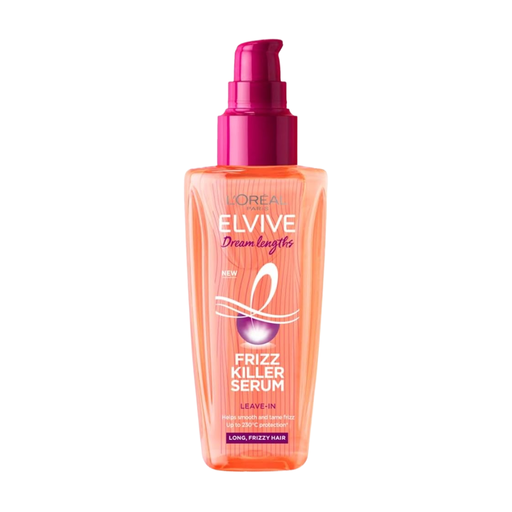
Why This Fits Their Persona: This user needs a reliable, affordable product for daily use before blow-drying or straightening. It must tame frizz without feeling heavy or greasy, and heat protection is non-negotiable. This serum delivers on all fronts for a high-street price.
It's a silicone-free formula, avoiding the heavy build-up associated with the "silicone smokescreen" trap. It uses glycerin and castor seed oil for a lightweight, natural-feeling finish.
Provides heat protection up to 230°C, a crucial feature for daily stylers. The formula is lightweight and specifically designed to combat frizz and static.
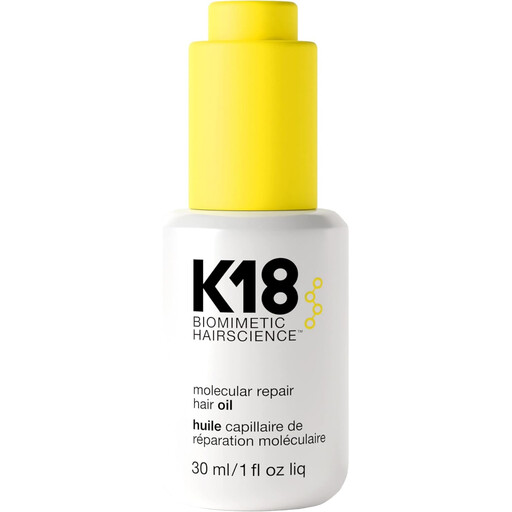
Why This Fits Their Persona: This individual has hair that is visibly damaged from colouring, heat or chemical treatments. They are willing to invest in a high-performance product that offers more than just a cosmetic fix and are looking for genuine repair.
It sidesteps the "vague nourishing" claim by featuring a specific active ingredient, sh-Oligopeptide-78, designed to work on a molecular level to address damage, alongside nourishing plant oils like avocado and sunflower.
The formula focuses on both internal repair and external smoothing. It's a lightweight oil that aims to improve hair strength and elasticity over time, not just mask the damage.
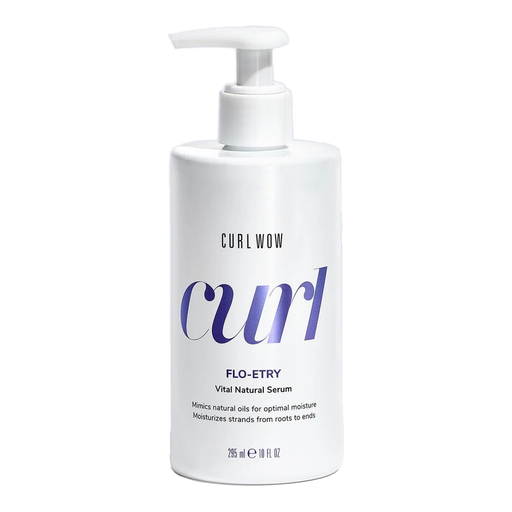
Why This Fits Their Persona: This user has curly or coily hair (types 3a-4c) and struggles to find a product that provides deep moisture and definition without causing crunch, stickiness or weighing down their delicate curl pattern.
It directly counters the "one-size-fits-all" trap by being specifically formulated for curly hair. Its "Naked Technology" aims to provide a weightless finish, a common concern for this hair type.
The formula uses a proprietary complex to micro-disperse oils like jojoba, pequi and coconut for balanced hydration. It also contains hydrolyzed rice protein to help strengthen strands.
We have compiled a complete, real-time list of products that fully satisfy these strict selection criteria and UK safety regulations.
This depends entirely on your hair type and the product's formulation. A lightweight anti-frizz serum can often be used daily on dry or damp hair. A heavier, nourishing hair oil for dry hair might be better as a weekly pre-shampoo treatment. Always start with a small amount (one or two drops) and see how your hair responds before applying more.
Yes, if you use too much or apply it incorrectly. The golden rule is to apply oil primarily from the mid-lengths to the ends, as this is the oldest and typically driest part of your hair. Avoid applying rich oils directly to your scalp and roots unless the product is specifically designed as a scalp treatment.
Traditionally, a hair oil was a product based on natural oils intended for deep nourishment. A hair serum was typically a silicone-based styling product for creating a smooth, glossy finish and taming frizz. Today, the lines have blurred significantly, and many products are hybrids. The most reliable way to know a product's function is to ignore the name on the front and instead analyse the first few ingredients on the back.