
24/7 Customer Support

Free returns

Same-day & Next-day Delivery

Quality Guaranteed

Unlock Your Welcome Offers: FREE Delivery | Up to 80% OFF | Free 30-day JoyPlus trial
Download the APP
Navigating the breakfast cereal aisle can feel overwhelming. Many products labelled as "healthy" are often packed with hidden sugars and refined grains, making it difficult to find a genuinely nutritious option. If you're looking for a breakfast that aligns with your health goals, whether that's boosting protein, cutting carbs or simply enjoying a wholesome start to the day, you've come to the right place.
This guide is designed to help you understand what makes a truly healthy granola and to highlight some excellent choices available, so you can feel confident when you decide to buy granola online.
Before we look at our recommendations, here are a few key things to consider when selecting a granola that’s right for you.
The single most important factor is often the sugar content. Many granolas use sugar, honey or syrups to create their signature crunch, but the amounts can vary dramatically. Check the 'Carbohydrates (of which sugars)' line on the nutritional panel. A lower number is generally better. Be aware that ingredients like glucose syrup, cane sugar and even concentrated fruit juice contribute to the total sugar. If you're aiming for minimal sugar, look for products specifically marketed as sugar free granola or those using natural sweeteners like stevia or erythritol.
Different granolas are formulated for different dietary needs.
A good rule of thumb is to choose granolas with a simple, recognisable ingredient list. Wholegrain oats, a variety of nuts, seeds and unsweetened dried fruit are all positive signs. A quality fruit and nut granola can be a fantastic source of fibre, vitamins and healthy fats. If you follow a plant-based diet, also check the label to ensure it is a vegan granola and free from ingredients like honey or milk products.
Here are a few standout granolas that cater to different dietary preferences and goals.
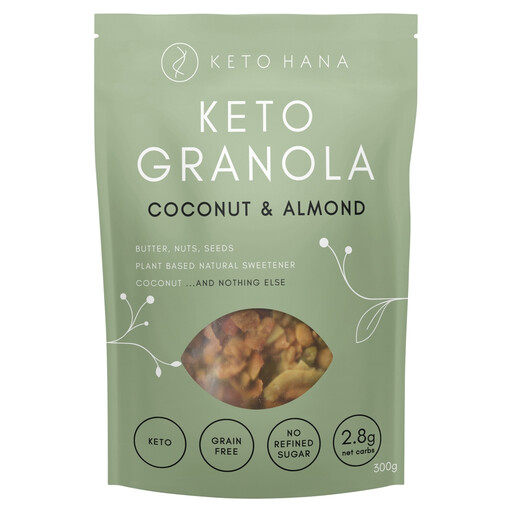
Why It Stands Out: This granola is specifically formulated for the ketogenic diet. Its base is made from coconut, sunflower seeds, almonds and pumpkin seeds rather than oats, resulting in an exceptionally low carbohydrate count. It uses sweeteners like erythritol and stevia to provide a pleasant taste without the sugar.
Pros:
Who is it for? This is an ideal choice for anyone strictly following a ketogenic diet or a very low-carb eating plan who misses the crunch of a traditional cereal.
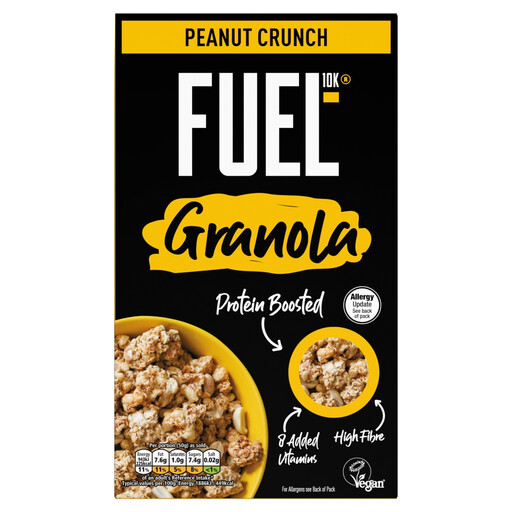
Why It Stands Out: Fuel10K's granola is designed to support an active lifestyle. It's boosted with wheat protein to deliver a substantial protein punch and is fortified with a blend of essential vitamins, including B vitamins and Vitamin E. It is also registered with The Vegan Society.
Pros:
Who is it for? Perfect for fitness enthusiasts, athletes or anyone looking to increase their protein intake at breakfast to help with muscle maintenance and satiety. It's also a great vegan granola option.
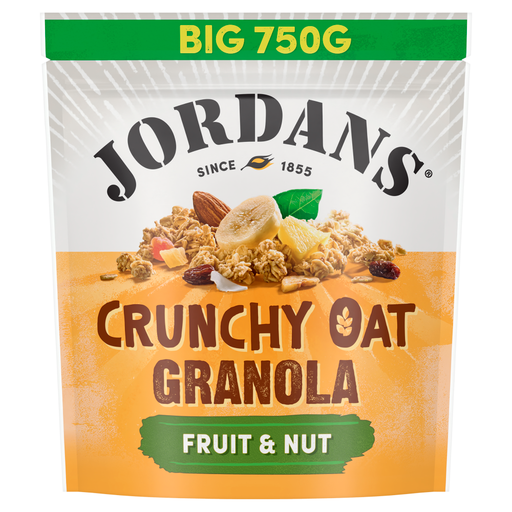
Why It Stands Out: This is a classic fruit and nut granola that prioritises natural, wholegrain ingredients. With 66% wholegrain oats, it provides a solid foundation of fibre and slow-release energy. The generous mix of raisins, pineapple, coconut, dates and whole almonds offers a variety of textures and natural sweetness.
Pros:
Who is it for? An excellent all-rounder for families or individuals seeking a traditional and wholesome wholegrain breakfast cereal to start their day.
If these selections aren't quite what you had in mind, or if you'd like to explore a wider variety of breakfast cereals, we have more to see.
? Explore our full range of Vegetarian Muesli and Granola
It certainly can be, but it depends entirely on the product. A truly healthy granola is low in added sugar, high in fibre and made from wholefood ingredients like oats, nuts and seeds. Always check the nutritional information to ensure it aligns with your health goals.
The main difference lies in the preparation. Granola is typically baked with an oil and a sweetener (like honey or syrup), which creates the crunchy clusters it's known for. Muesli, on the other hand, is usually an unbaked mixture of rolled oats, nuts, seeds and dried fruit, and tends to have a softer, chewier texture.
Yes, in moderation. Granola can be calorie-dense, so portion control is key. Opting for a high-protein or low carb granola can help promote feelings of fullness, which may support weight management goals. A standard serving is typically around 45-50g.